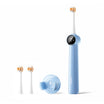
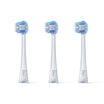

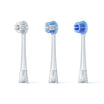









TL;DR — Sostituisci la testina dello spazzolino elettrico ogni 3 mesi (o prima se le setole sono sfilacciate o dopo una malattia). Le setole nuove rimuovono fino al 30% in più di placca e proteggono le gengive dalle abrasioni. Un semplice cambio mantiene il tuo sorriso pulito in modo scientificamente provato.
Perché Sostituire la Testina del Tuo Spazzolino Elettrico è Più Importante di Quanto Pensi
Il tuo spazzolino elettrico è uno strumento potente — ma solo quando la sua testina è in ottima forma. Le setole usurate non puliscono solo meno; possono anche danneggiare attivamente le gengive e diventare un ricettacolo di batteri.
La Scienza delle Setole Usurate e dei Batteri Orali
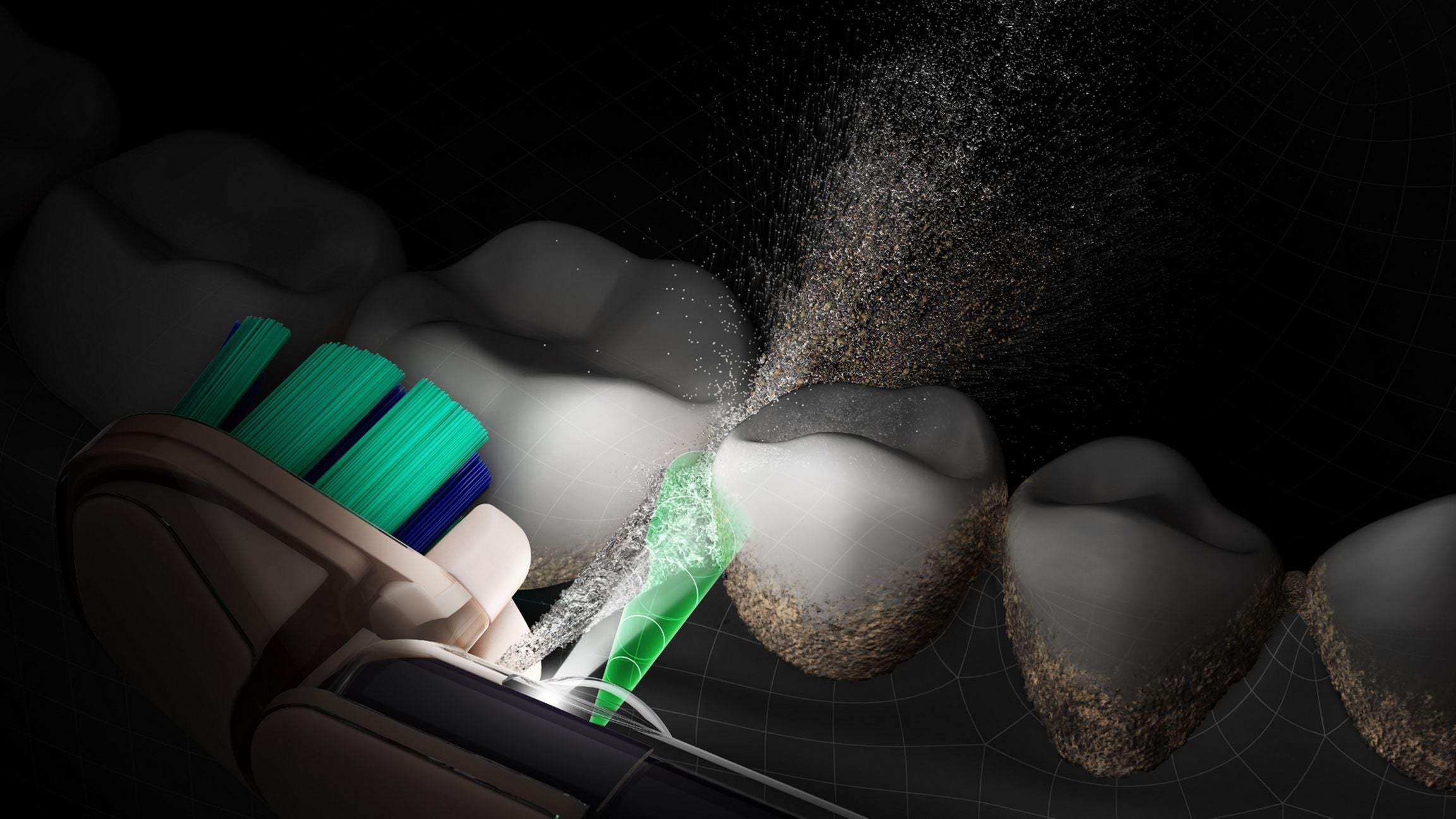
L'usura delle setole significa che le estremità si aprono a ventaglio, si sfilacciano o si piegano verso l'esterno. In questo stato, le setole non riescono a raggiungere gli spazi tra i denti o a spazzolare efficacemente lungo il bordo gengivale. La American Dental Association conferma che l'efficacia diminuisce drasticamente una volta che le setole si attorcigliano o si sfilacciano. Perdi potenza nella rimozione della placca proprio dove conta di più.
- La placca lasciata indietro si indurisce in tartaro, aumentando il rischio di carie e gengivite .
- Le setole sfilacciate possono abradere il tessuto gengivale, contribuendo alla recessione gengivale nel tempo.
- Una testina usurata può sembrare pulita, ma le crevice microscopiche intrappolano umidità e batteri.

Ottimizzare il Tuo Investimento nello Spazzolino Elettrico
Il motore del tuo spazzolino offre oscillazioni rapide. Una testina nuova traduce quel movimento nella massima rimozione della placca. Quando le setole sono piegate, l'energia si dissipa invece di concentrarsi sulle superfici dei denti. Sostituire regolarmente la testina mantiene il manico performante come nuovo e previene uno stress inutile sul motore, che non deve compensare per una spazzola opaca e inefficiente.
Quanto Spesso Dovresti Cambiare la Testina dello Spazzolino Elettrico? La Regola Appoggiata dai Dentisti
Lo Standard dei 3 Mesi: Quando e Perché Vale
L'ADA e produttori come Oral-B e Philips Sonicare raccomandano di sostituire la testina ogni 3 mesi — o prima se gli indicatori di usura sono visibili. L'esperta dentale Jane Cotter, professoressa associata alla Texas A&M School of Dentistry, lo dice semplicemente: “Gli spazzolini usati per più di tre mesi possono sfilacciarsi e possono danneggiare la gengiva.” Anche se le setole sembrano a posto, l'accumulo microbico da solo giustifica il cambio.
Molte testine moderne includono setole indicatrici — fibre blu che sbiadiscono al bianco. Quando il colore scompare a metà delle setole, è ora di sostituirle.
La guida visiva del "Controllo Setole": Segnali per Sostituire Prima
Osserva attentamente la testina dello spazzolino ogni poche settimane. Sostituiscila immediatamente se noti:
- Setole divaricate o appiattite — puntano verso l'esterno invece di stare dritte.
- Punte appiattite — sembrano schiacciate e non riescono a raggiungere i solchi.
- Scolorimento o odore — una tinta giallastra o un persistente odore di muffa indica batteri intrappolati.
- Perdita di flessibilità — quando muovi le setole con il pollice, risultano rigide e non tornano indietro.
Abitudini Personali che Riducono i Cicli di Sostituzione
| Fattore | Azione |
|---|---|
| Pressione di spazzolamento elevata | Controlla le setole settimanalmente; spesso necessitano di sostituzione a 2 mesi |
| Spazzolare più di 2 volte al giorno | Attenersi a 3 mesi ma ispezionare prima |
| Più utenti condividono il manico | Ogni persona dovrebbe avere la propria testina; sostituirle tutte dopo 3 mesi |
| Recente raffreddore, influenza o infezione orale | Sostituire la testina immediatamente dopo la guarigione |
| Apparecchi ortodontici o dispositivi ortodontici | Le testine si usurano più velocemente — sostituire ogni 6–8 settimane |
Cosa Succede Se Non Sostituisci la Testina dello Spazzolino in Tempo
Rischio di Recessione Gengivale, Usura dello Smalto e Sensibilità
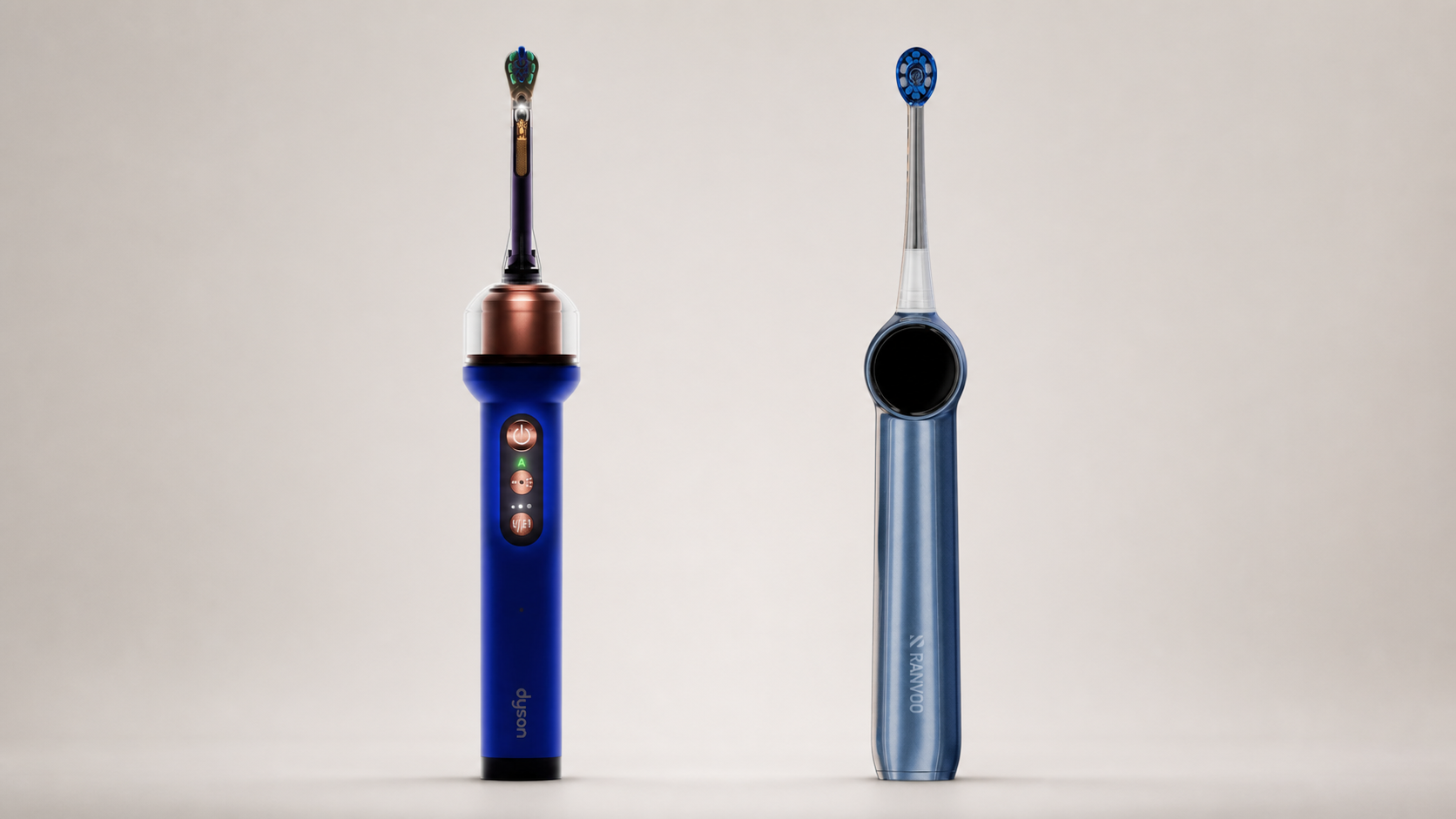
Quando le setole si divaricano, possono agire come piccoli rastrelli contro le gengive. Questa abrasione meccanica può causare gengive ritirate ed esporre la dentina, portando a sensibilità. Anche il trauma dei tessuti molli rende le gengive più vulnerabili alle infezioni. L'ADA raccomanda specificamente setole morbide per “minimizzare il rischio di abrasione gengivale”, ma anche le setole morbide diventano abrasive quando sono usurate. Se condividi questa preoccupazione, considera uno spazzolino come il RANVOO AirJet X5, progettato con 22.000 battiti/min a bassa frequenza e micro-oscillazione di 12° per proteggere le gengive sensibili fin dal primo giorno — eliminando l'ansia delle setole usurate che graffiano il tessuto delicato.
Accumulo di Batteri: Il Problema di Igiene Nascosto
Una testina usata è una nicchia umida e buia nel tuo bagno. La ricerca mostra che i microrganismi — inclusi funghi e batteri — prosperano in quell'ambiente, specialmente quando la testina è conservata in un contenitore chiuso o in un supporto condiviso. Dopo una malattia, riutilizzare la stessa testina può potenzialmente prolungare l'esposizione o diffondere germi ad altri. La Cleveland Clinic consiglia di sostituire la testina immediatamente dopo un raffreddore o l'influenza.
Rendimenti Decrescenti: Perché i Tuoi Denti Non Sembrano Davvero Puliti
Una sensazione di pulito sbiadita, alito mattutino persistente o residui ripetuti di dentifricio sono tutti segnali che la tua testina non sta performando al meglio. Potresti ritrovarti a spazzolare più a lungo o con più forza per compensare — il che rischia di danneggiare ulteriormente le gengive. Una testina nuova ripristina immediatamente quella sensazione liscia e pulita da dentista.
Dove Conservare e Come Mantenere la Tua Testina Tra una Sostituzione e l'Altra
Tecniche Corrette di Risciacquo e Asciugatura all'Aria
- Dopo ogni utilizzo, risciacqua accuratamente la testina sotto acqua corrente per eliminare dentifricio e residui.
- Scuoti via l'umidità in eccesso.
- Conserva il manico in posizione verticale in modo che la testina si asciughi all'aria liberamente. Non coprire mai una testina umida.
Cosa Fare e Cosa Evitare per la Massima Igiene nella Conservazione
- Fai tieni lo spazzolino in un supporto aperto all'aria, lontano dalla zona di schizzi del water.
- Fai lascia asciugare completamente la testina tra un utilizzo e l'altro.
- Non condividere i supporti o permettere che più testine si tocchino.
- Non affidarti ai sanificatori UV come sostituto permanente della sostituzione. Possono ridurre i batteri ma non invertono l'usura delle setole.
- Non conservare in un astuccio da viaggio chiuso per periodi prolungati senza aprirlo per far circolare l'aria.
Per una soluzione di conservazione ancora più intelligente, il RANVOO AirJet X5 viene fornito con certificazione anti-muffa di Livello 0 e un supporto magnetico da parete che tiene lo spazzolino ordinatamente lontano dal piano, completamente esposto al flusso d'aria — così umidità e batteri non hanno mai la possibilità di accumularsi tra un utilizzo e l'altro.

Come scegliere le testine sostitutive giuste per il tuo modello
Comprendere la compatibilità: opzioni specifiche per marca vs. generiche
Le testine sostitutive non sono universali. Oral-B utilizza una testina rotonda oscillante che si aggancia all'albero di trasmissione, mentre Sonicare ha un design a collare a scatto. Controlla il numero del tuo modello prima di acquistare. Le testine di marche alternative o generiche possono essere più economiche, ma verifica che soddisfino i test di sicurezza; il Sigillo di accettazione ADA garantisce che una testina abbia superato rigorose valutazioni cliniche per sicurezza e rimozione della placca.
Tipi di setole e testine specializzate (Sensibili, Sbiancanti, Cura delle gengive)
- Sensibili/Morbide: Setole extra delicate per gengive ritirate o dentina esposta. Possono sfilacciarsi prima se la pressione è elevata.
- Sbiancanti: Spesso hanno coppette lucidanti o setole di altezze variabili. Controlla regolarmente l'usura delle aree lucidanti.
- Cura delle gengive: Setole angolate o multi-livello per pulire lungo il bordo gengivale. Assicurati che le punte non diventino troppo morbide troppo in fretta.
- Ortodontiche: Formate per raggiungere attorno ai bracket. Sostituiscile appena le setole iniziano ad appiattirsi, spesso prima di 3 mesi.
Costruire una routine di sostituzione che seguirai davvero
Promemoria intelligenti: servizi in abbonamento e scorciatoie con calendario
- Consegne in abbonamento: Marchi come Quip, Oral-B e Philips offrono piani di rifornimento automatico che spediscono una nuova testina ogni 3 mesi. L'arrivo stesso funge da promemoria.
- Promemoria digitali: Imposta un evento ricorrente sul calendario o usa l'app dello spazzolino. Alcuni spazzolini intelligenti, come Oral-B iO, mostrano un'icona di sostituzione sul manico.
- Trucco manuale: Scrivi la data in cui installi una testina nuova sul lato della confezione o su un piccolo adesivo sul manico.
Acquistare in quantità vs. all'occorrenza: una semplice valutazione costi-benefici
Acquistare confezioni multiple spesso riduce il costo per testina del 10–20%. Se conosci il tuo modello esatto, una confezione da 4 copre un anno intero. Ciò elimina il rischio di prolungare l'uso di una testina vecchia perché sei rimasto senza. Conserva i ricambi in un cassetto asciutto; non scadono.
Fattori stagionali e circostanziali che dovresti conoscere per la sostituzione
Dopo un raffreddore, l'influenza o un'infezione orale
Anche se il tuo sistema immunitario può proteggerti da una reinfezione, batteri e virus possono persistere sulle testine. Sostituiscile immediatamente dopo esserti ripreso da qualsiasi malattia. Se la testina è stata conservata vicino allo spazzolino di un'altra persona, sostituiteli entrambi per evitare contaminazioni incrociate.
Tempi Prima e Dopo la Visita dal Dentista
Inizia con una testina nuova subito prima della pulizia professionale per presentarti con una placca già rimossa. Dopo una pulizia profonda o un trattamento gengivale, una testina nuova aiuta anche a mantenere la sensazione di pulito appena fatto e riduce l'irritazione post-procedura.
Un'Ultima Parola su Sostenibilità e Smaltimento
Si Possono Riciclare le Testine degli Spazzolini Elettrici?
Sì, con un po' di impegno. Marchi come Oral-B e Philips collaborano con TerraCycle per offrire il riciclo tramite posta delle testine usate. Di solito devi separare le setole dal collo di plastica secondo le istruzioni del programma. Controlla il sito del tuo marchio per le opzioni di ritiro attuali.
Scelta di Alternative Eco-Friendly Senza Sacrificare la Pulizia
Alcuni produttori ora offrono testine con componenti in plastica di origine vegetale o riciclata. Sebbene richiedano comunque la sostituzione ogni 3 mesi, riducono il tuo impatto ambientale. Cerca certificazioni B-Corp o affermazioni di sostenibilità verificate da certificazioni di terze parti.