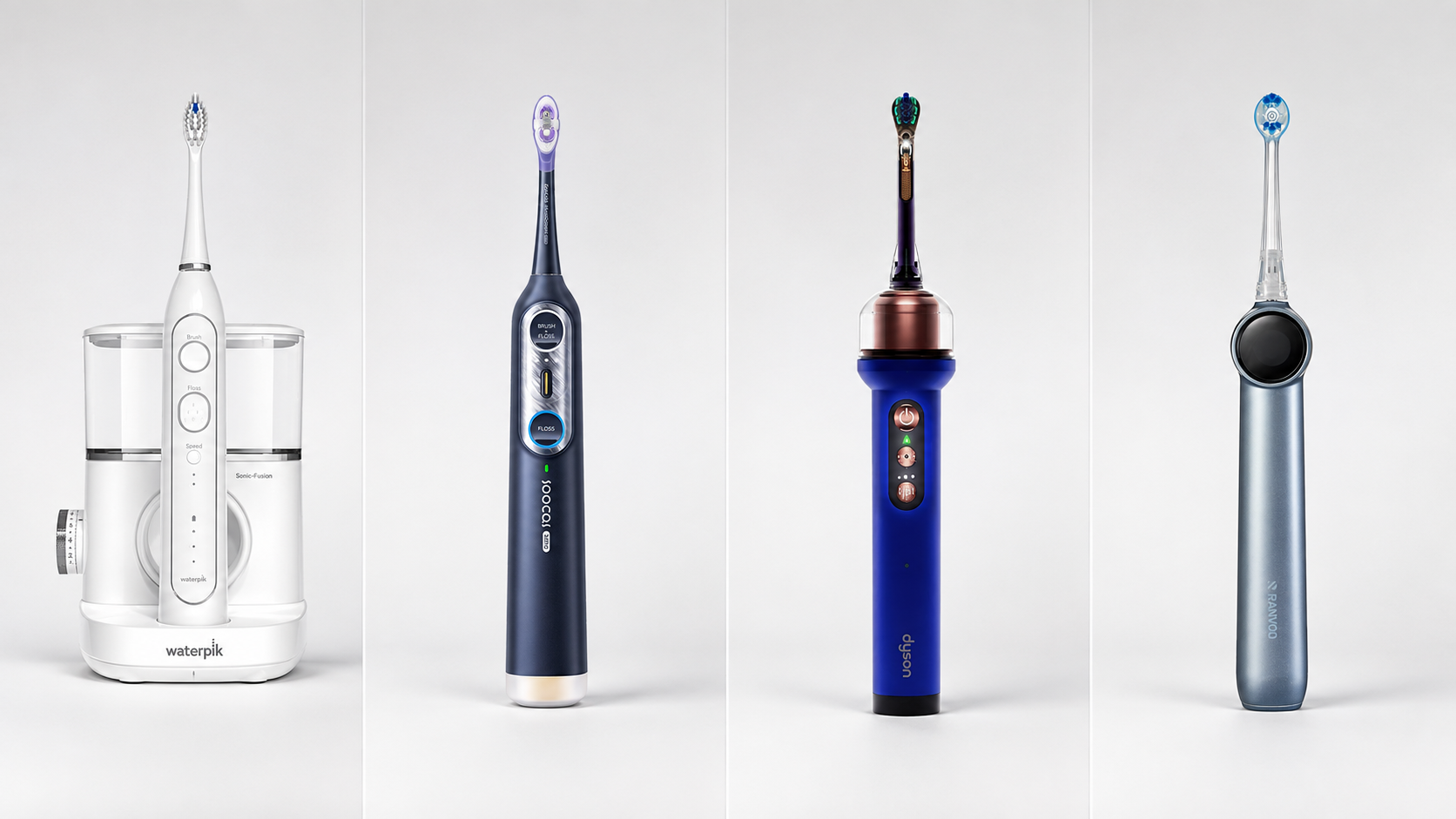













TL;DR: Sì, è possibile — ma solo se fortemente diluito, e bisogna pulirlo immediatamente. È già clinicamente provato che l’acqua da sola è altamente efficace. Il collutorio aggiunge solo una “piacevole esperienza”, non un potere pulente extra, e un uso improprio può danneggiare il dispositivo.
L’idea di mettere il collutorio nel proprio dispositivo idropulsore è una tendenza virale, ma presenta alcune serie avvertenze. C’è un modo giusto e uno sbagliato — e quello sbagliato può invalidare la garanzia o corrodere le guarnizioni interne. Questo articolo separa i fatti dal clamore mediatico, basandosi su ciò che dicono effettivamente dentisti e produttori.

Cosa succede quando si mescola il collutorio con l’idropulsore?
Il collutorio non è solo acqua. Contiene alcol, oli essenziali, coloranti e agenti antibatterici. Quando questi passano attraverso la pompa e i tubi di un idropulsore, possono deteriorare i componenti in plastica e gomma. Alcol nel collutorio attacca gli elastomeri termoplastici delle guarnizioni, rendendoli fragili nel tempo. Gli ingredienti oleosi lasciano residui difficili da eliminare, favorendo l’accumulo di batteri.
La funzione principale del dispositivo è meccanica: un getto pressurizzato rimuove i residui. L’aggiunta di collutorio modifica il liquido ma non potenzia la pulizia. Infatti, Waterpik afferma chiaramente che «l’uso di un collutorio standard o antisettico in un rapporto di 1:1 o inferiore con l’acqua offre un’esperienza piacevole, ma non è stato clinicamente valutato per determinare eventuali benefici oltre all’uso della sola acqua».¹
Acqua vs. collutorio in un dispositivo per il filo interdentale
| Aspetto | Acqua semplice | Collutorio diluito |
|---|---|---|
| Rimozione della placca | Clinicamente provato | Nessun beneficio aggiuntivo comprovato |
| Salute delle gengive | Efficace grazie al risciacquo meccanico | Potenzialmente irritante per le gengive sensibili |
| Sicurezza del dispositivo | Nessun rischio | Rischio di corrosione, residui, intasamento |
| Manutenzione | Minimo | Richiede un risciacquo immediato con acqua naturale |
Perché la maggior parte dei produttori sconsiglia l’uso del collutorio
La posizione ufficiale dei principali marchi è di cautela. Ecco perché:
- Guarnizioni interne e tubi: L’alcol e gli oli essenziali possono indurire o dissolvere le guarnizioni in gomma.
- Garanzia nulla: Molti manuali avvertono esplicitamente che l’uso di liquidi diversi dall’acqua invalida la garanzia. Se vengono rilevati residui, la richiesta di reso potrebbe essere respinta.
- Rischi di intasamento: Risciacqui a base di clorexidina e oli essenziali può macchiare e addensarsi, ostruendo potenzialmente gli stretti canali dell’acqua.
elenca specificatamente oli essenziali concentrati insolubili in acqua, iodio, bicarbonato di sodio e soluzioni saline nei dispositivi senza fili come sostanze che “possono ridurre le prestazioni o accorciare la durata del prodotto”.²
Quando è consentito utilizzare il collutorio in un idropulsore?
In alcune rare circostanze è giustificato: quando un dentista prescrive un risciacquo terapeutico come la clorexidina per le malattie gengivali e il manuale del dispositivo lo consente esplicitamente. Waterpik sottolinea che la clorexidina è stata clinicamente testata per l’uso nei propri idropulsori, ma solo se diluita e utilizzata sotto la guida di un professionista.¹
Attenzione: Non utilizzare mai il collutorio non diluito. Il collutorio standard deve avere un rapporto non superiore a 1:1 tra collutorio e acqua. Le versioni antisettiche seguono la stessa regola. Sciacquare sempre con acqua naturale dopo l’uso.
I veri benefici dell’aggiunta del collutorio alla routine di uso del filo interdentale – Separare il mito dalla realtà
Il collutorio aumenta la rimozione della placca?
Gli idropulsori funzionano grazie alla forza idraulica, non alla composizione chimica del liquido. Numerosi studi clinici dimostrano che l’acqua da sola riduce significativamente la placca e la gengivite.³ La dottoressa Sasha Ross, dentista presso la Cleveland Clinic, raccomanda l’uso di acqua tiepida, non di collutorio, per l’uso quotidiano.⁴ L’aggiunta di collutorio potrebbe rendere l’esperienza più rinfrescante, ma non rimuove fisicamente più placca.
Il collutorio può aiutare la salute delle gengive durante l’idropulsione?
Collutori antisettici può ridurre i batteri orali e aiutare a gestire la gengivite se usato come risciacquo separato. Tuttavia, spruzzarli attraverso un idropulsore a pressione può talvolta irritare le gengive infiammate, specialmente se il istruzioni del produttore non ha progettato il dispositivo per altro che l’acqua. Per la maggior parte delle persone, la strategia più sicura ed efficace per la salute delle gengive è l’idropulsore seguito da un risciacquo con collutorio — non mescolati.
Come utilizzare in sicurezza il collutorio con un idropulsore (se proprio necessario)
Se decidete di procedere, considerate questi passaggi come una ricetta che non potete modificare:
Il corretto rapporto di diluizione del collutorio in un idropulsore
- Non superare mai il rapporto di 1 parte di collutorio per 1 parte di acqua.
- Una miscela più leggera (1:3 o meno) è più sicura per la durata della macchina.
- Pre-miscelare in un bicchiere separato, non versare il collutorio direttamente nel serbatoio.
Guida passo passo all’uso del collutorio: sciacquare dopo l’uso del filo interdentale ad acqua
Il modo più sicuro per combinare entrambe le abitudini è mantenerle separate:
- Riempire il serbatoio con acqua tiepida.
- Usate il filo interdentale come al solito, concentrandovi sul bordo gengivale e sugli spazi interdentali.
- Svuotare l’acqua residua.
- Sciacquate la bocca con il collutorio per 30 secondi — proprio come un normale risciacquo.
- Sputalo. Il flosser rimane pulito, senza residui, senza rischi.

Dove trovare idropulsori compatibili con il collutorio
Alcune caratteristiche rendono un dispositivo leggermente più tollerabile:
- Serbatoi antimicrobici che resistono all’accumulo di residui
- Serbatoi completamente rimovibili per una pulizia più facile
- Tubo leggermente più grande (minore probabilità di intasamento)
- Controllate il manuale: alcune marche specificano che è consentito l’uso di collutorio diluito se risciacquato immediatamente.
Ad esempio, la pagina di assistenza sui prodotti di Waterpik offre un elenco “SÌ - Sicuro da usare” che include collutori standard e collutori antisettici.¹ Tuttavia, anche in questo caso, l’obbligo di risciacquo è imprescindibile. Se il dispositivo è senza fili, prestare particolare attenzione: il vano batteria sigillato non è in grado di gestire eventuali perdite interne.
Errori comuni che le persone commettono quando versano il collutorio in un idropulsore
- L’uso di collutorio non diluito — il concentrato puro corrode le guarnizioni.
- Se non si risciacqua l’unità dopo l’uso, i residui si induriscono e favoriscono la proliferazione dei batteri.
- L’aggiunta di oli essenziali come quello di melaleuca: non si dissolvono e si attaccano ai tubicini.
- Lasciare la miscela nel serbatoio durante la notte: muffa e corrosione possono insorgere nel giro di poche ore.
- Partendo dal presupposto che “più ce n’è, meglio è”: l’eccesso di alcol secca il tessuto gengivale e danneggia il dispositivo più rapidamente.
Alternative supportate dagli esperti per potenziare l’idropulsore ad acqua
Prima di ricorrere al collutorio, parlate con il vostro dentista delle opzioni più delicate:
- Un pizzico di salt (solo nei modelli da appoggio, non in quelli senza fili) — lenisce le gengive ed è leggermente antibatterico.
- Qualche goccia di perossido di idrogeno al 3% diluito in un rapporto di almeno 1 parte di perossido a 4 parti di acqua — ma si noti che il perossido si degrada a contatto con l’aria, quindi offre benefici duraturi limitati.⁴
- Il semplice utilizzo di acqua calda del rubinetto rimane il gold standard, clinicamente provato per rimuovere efficacemente la placca.
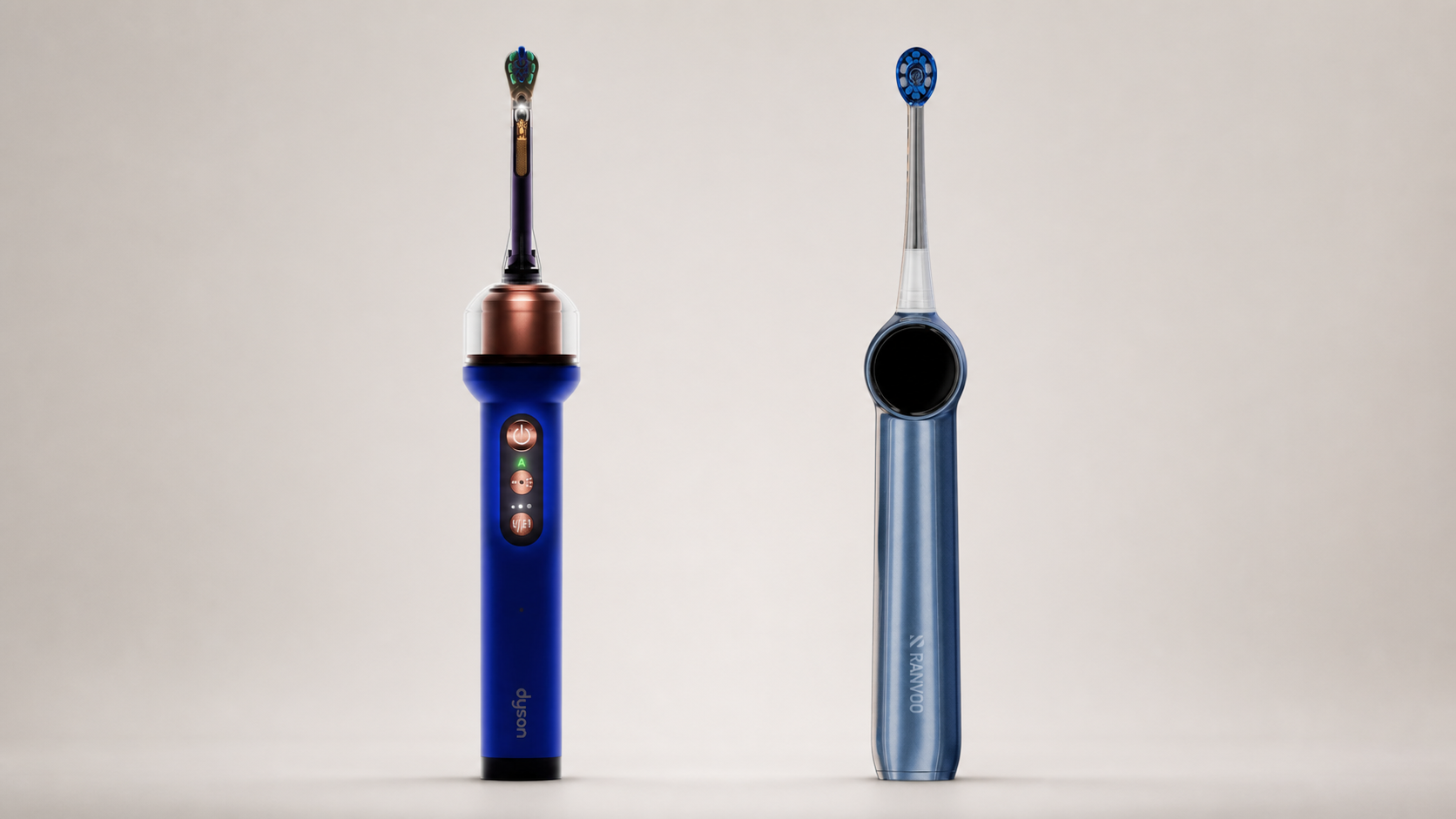
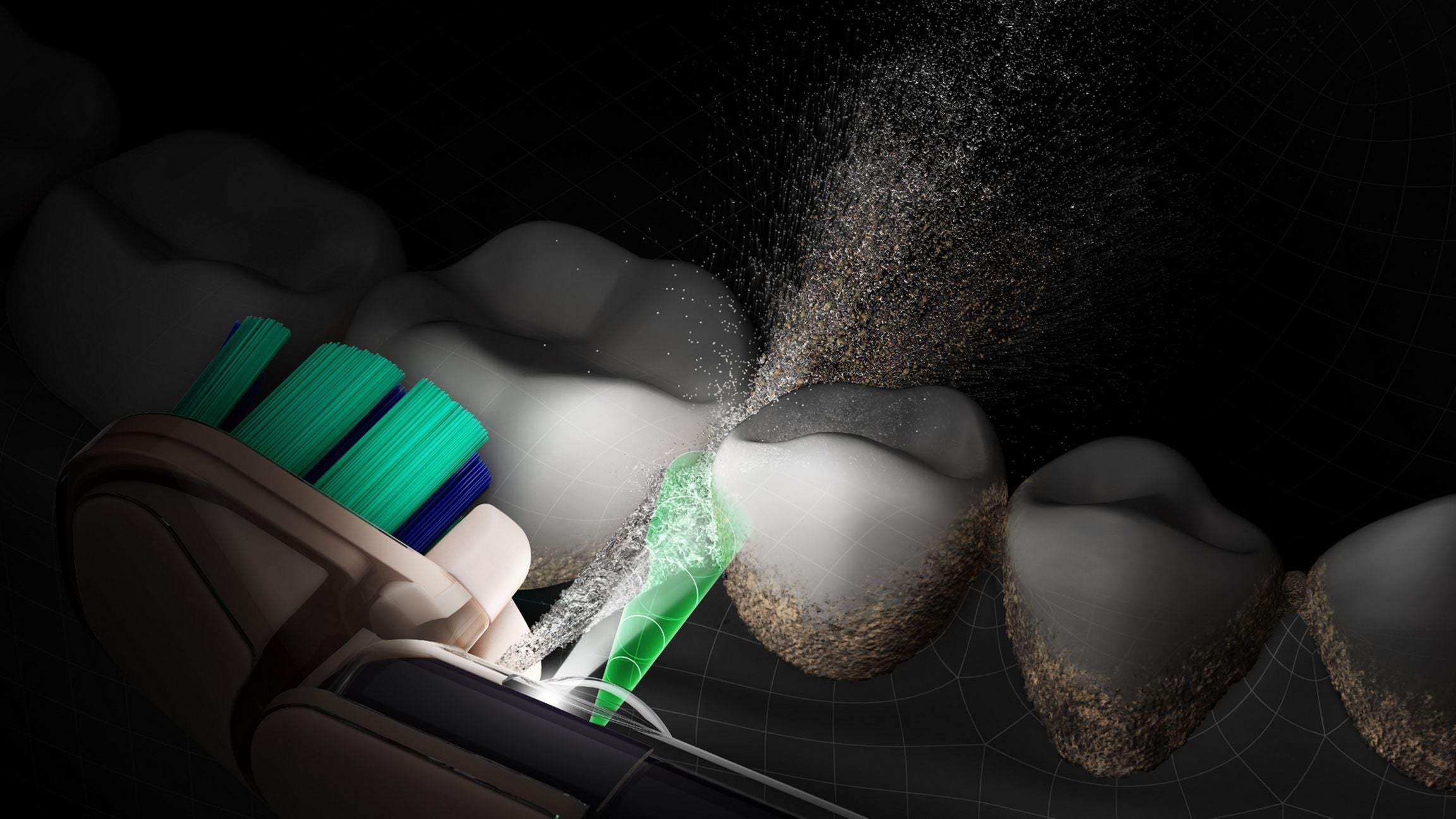
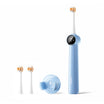
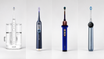
In definitiva, lo stesso principio vale anche al di là dell’idropulsore: la migliore routine di igiene orale è quella che pulisce a fondo senza traumatizzare il delicato tessuto gengivale. Ecco perché molti dentisti ora sottolineano l’importanza di abbinare l’idropulsore a uno spazzolino progettato specificamente per le gengive sensibili — come il RANVOO AirJet X5 Spazzolino elettrico. A differenza degli spazzolini elettrici tradizionali che si basano sull’attrito abrasivo, l’AirJet X5 utilizza una tecnologia brevettata a impulsi di bolle che rimuove delicatamente la placca senza graffiare lo smalto o aggravare il sanguinamento delle gengive. Per la fascia d’età compresa tra i 35 e i 50 anni che soffre di recessione gengivale o sensibilità, completa il ciclo iniziato dall’idropulsore, offrendo una potenza di pulizia clinicamente orientata senza alcun timore di danneggiare i denti. È il tipo di approccio “delicato ma efficace” che i professionisti del settore odontoiatrico vorrebbero che più pazienti adottassero.
Verdetto finale: dovresti mettere il collutorio in un idropulsore?
La risposta è un sì condizionato — ma raramente è una buona idea. L’acqua da sola, se usata correttamente, offre tutti i vantaggi clinici: rimozione della placca, salute delle gengive e alito più fresco grazie all’eliminazione dei residui. Il collutorio nell’idropulsore aggiunge una sensazione di freschezza alla menta, ma non garantisce una pulizia migliore e crea un incubo in termini di manutenzione. La routine più intelligente? Prima l’idropulsore, poi il risciacquo con il collutorio separatamente. Le gengive ottengono il beneficio terapeutico, il dispositivo rimane al sicuro e non dovrete mai chiedervi se la miscela di oggi danneggerà la macchina.
¹ Waterpik, “Il collutorio e il tuo idropulsore Waterpik”
² Waterpik, “Il collutorio e il tuo idropulsore Waterpik” — elenco delle precauzioni
³ Waterpik, “Professionisti del settore odontoiatrico - Domande frequenti sugli idropulsori”
⁴ Verywell Health, “Si può mettere il collutorio in un idropulsore?” (citando Sasha Ross, DMD)