











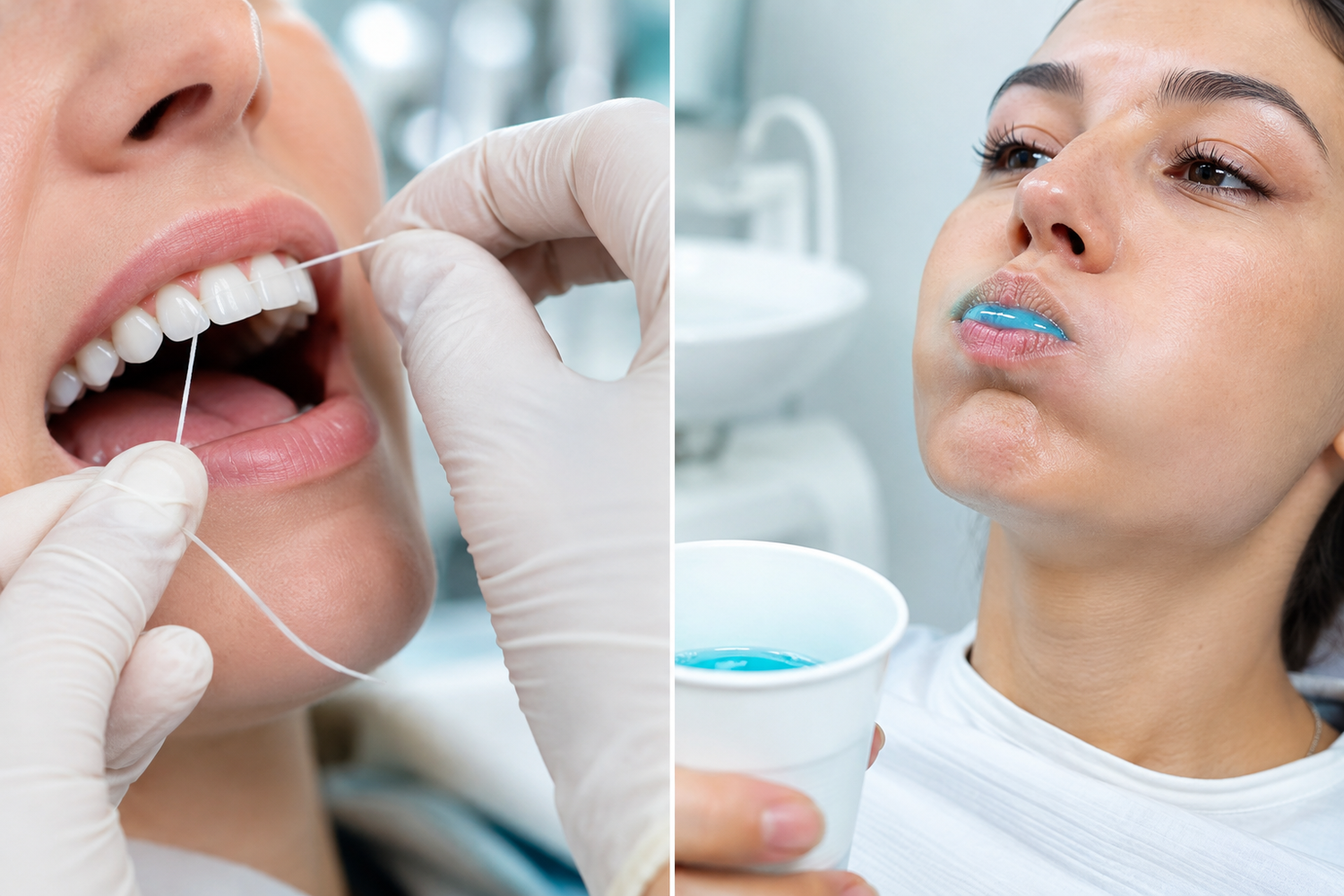
TL;DR: Gli studi clinici dimostrano che i collutori antisettici spesso offrono una maggiore a breve termine riduzione della placca in tutta la bocca, ma il filo interdentale rimane il metodo di riferimento per la pulizia meccanica degli spazi interdentali. Il vero vincitore non è l’uno o l’altro: è l’uso combinato di entrambi, se effettuato correttamente.

Cosa dice la ricerca? Un confronto diretto tra gli studi clinici
Volete dati concreti, non affermazioni di marketing. Diversi studi comparativi recenti hanno messo a confronto il filo interdentale e collutorio antisettico . Uno studio di 12 settimane condotto su 270 partecipanti ha messo a confronto cinque routine: solo spazzolatura, spazzolatura + risciacquo con olio essenziale a base alcolica, spazzolatura + risciacquo con olio essenziale senza alcol, spazzolatura + filo interdentale e spazzolatura + filo interdentale + risciacquo senza alcol.
I risultati sono stati sorprendenti. Dopo 12 settimane, i gruppi che hanno utilizzato un collutorio agli oli essenziali (con o senza l’uso del filo interdentale) ridotta placca interprossimale dal 16% al 30,8% rispetto alla sola spazzolatura. Il gruppo che ha utilizzato spazzolino e filo interdentale, tuttavia, ha non ridurre in modo significativo la placca fonte.
Un altro studio condotto su 156 persone ha esaminato l’uso professionale del filo interdentale, l’uso autonomo supervisionato del filo interdentale e un collutorio a base di 4 oli essenziali. A 12 settimane, solo il gruppo che utilizzava il collutorio mostrava ancora livelli di placca statisticamente inferiori; entrambi i gruppi che utilizzavano il filo interdentale avevano perso il loro vantaggio in termini di placca a quel punto fonte.
Negli studi clinici supervisionati, l’uso del filo interdentale spesso non produce una riduzione statisticamente significativa della placca dopo 12 settimane, mentre i collutori antisettici mantengono il loro vantaggio.
Perché il legame tra placca e gengivite rende questo confronto così importante
La placca dentale è un biofilm appiccicoso che si forma costantemente sui denti. Se non viene rimosso, si indurisce e colonizza il margine gengivale. I batteri presenti nella placca innescano una risposta infiammatoria: questa è gengivite, caratterizzata da arrossamento, gonfiore e sanguinamento durante lo spazzolamento o l’uso del filo interdentale. Se non trattata, la gengivite può progredire verso la parodontite, la principale causa di perdita dei denti.
Ecco perché entrambi indice di placca e indice gengivale i punteggi sono fondamentali negli studi clinici. La riduzione della placca è la misura diretta, ma la diminuzione del sanguinamento alla sondatura è la prova clinica che la salute gengivale sta migliorando.
Come il filo interdentale rimuove fisicamente la placca: il meccanismo
Il filo interdentale agisce raschiando meccanicamente via il biofilm appiccicoso dalle superfici dentali dove lo spazzolino non riesce ad arrivare. Quando lo si avvolge a forma di C e lo si fa scorrere sotto il bordo gengivale, si rimuovono fisicamente i batteri e i residui di cibo dal spazio interdentale.
Questo controllo meccanico della placca interrompe la struttura del biofilm, riducendo direttamente la carica batterica che causa l’infiammazione.

Dove il filo interdentale eccelle: raggiungere il margine gengivale e gli spazi interdentali
Il filo interdentale può raggiungere aree subgengivali fino a 2–3 mm al di sotto del bordo gengivale, dove il collutorio semplicemente non riesce ad arrivare con la normale pressione esercitata durante il risciacquo. In numerosi studi, l’uso del filo interdentale ha ridotto significativamente gengivite interprossimale e sanguinamento — talvolta superiore al 30% nelle prime settimane — anche quando la riduzione della placca non era statisticamente significativa. Ciò suggerisce che il filo interdentale distrugga il biofilm in misura sufficiente a placare la risposta infiammatoria delle gengive, anche senza una rimozione massiccia della placca fonte.
Quale tipo di filo interdentale si dovrebbe usare per ottenere i migliori risultati?
Scegliete il filo interdentale in base agli spazi tra i denti e alle vostre preferenze:
- Filo interdentale in nylon cerato — scivola facilmente tra i denti stretti; è meno probabile che si sfilacci.
- Filo interdentale in PTFE (monofilamento) — scivola attraverso contatti estremamente stretti, resistente allo strappo.
- Filo interdentale non cerato — sottile, si allarga sotto pressione, ideale per una spaziatura normale ma può sfilacciarsi.
- Filo interdentale — ampio e piatto, comodo per denti con spazi più ampi.
Nessun tipo è clinicamente superiore: il filo interdentale migliore è quello che userete correttamente ogni giorno.
Come il collutorio antisettico combatte chimicamente la placca e la gengivite
I collutori con principi attivi antimicrobici uccidono i batteri al contatto. Gli ingredienti chiave agiscono in modo diverso:
| Principio attivo | Meccanismo | Sostanzialità | Note |
|---|---|---|---|
| Clorexidina (CHX) | Rompono le pareti cellulari batteriche; si legano ai tessuti orali e vengono rilasciati lentamente | Fino a 12 ore | Standard di riferimento, ma può macchiare i denti e alterare il gusto |
| Oli essenziali (eucaliptolo, mentolo, timolo, salicilato di metile) | Penetrare nei biofilm batterici e distruggere le pareti cellulari | ~30 minuti | Presente in Listerine; efficace ma richiede un uso due volte al giorno |
| Cloruro di cetilpiridinio (CPC) | Composto cationico che distrugge le membrane batteriche | Minimo | Comune nelle formule senza alcol; più delicato ma meno efficace |
Sostanzialità — la capacità di persistere e continuare ad agire — è il motivo per cui la clorexidina è così efficace, ma anche il motivo per cui il suo uso a lungo termine è limitato.
Quando il collutorio offre un chiaro vantaggio — oltre la portata meccanica
Il collutorio raggiunge l’intera cavità orale — lingua, guance, palato — non solo gli spazi interdentali. Per le persone con apparecchio ortodontico, con destrezza limitata o con restrizioni post-operatorie, sciacquare la bocca può essere l’unico modo pratico per controllare i batteri. Diversi studi concludono che un collutorio terapeutico può essere «almeno altrettanto efficace» del filo interdentale nel ridurre l’infiammazione gengivale in queste popolazioni fonte.
La differenza fondamentale tra collutorio terapeutico e cosmetico
Solo collutori terapeutici con principi attivi comprovati contro la placca o la gengivite (come quelli sopra citati) sono in grado di ridurre la malattia. Collutori cosmetici frescano semplicemente l’alito in modo temporaneo e non hanno alcun effetto sulla placca o sulla salute delle gengive. Se l’etichetta non elenca specifici principi attivi antimicrobici e non riporta il sigillo ADA, non è un sostituto del filo interdentale.
Filo interdentale vs collutorio: confronto diretto dei risultati degli studi clinici
Ecco come si presentano i dati provenienti dai principali studi randomizzati controllati della durata di 12 settimane sulla riduzione della placca interprossimale e della gengivite (tutti con un gruppo di controllo sottoposto solo a spazzolatura):
| Studio | Gruppo | Riduzione della placca (media) | Riduzione della gengivite (media) | Riduzione del sanguinamento |
|---|---|---|---|---|
| Milleman et al. 2022 | Spazzolino + risciacquo con olio essenziale (alcol) | 35.8% | 50.8% | 71.0% |
| Milleman et al. 2022 | Spazzolino + filo interdentale | Non significativo | 9.2% | 17.5% |
| Bosma et al. 2024 | Spazzolino + risciacquo con olio essenziale (alcol) | 30.8% | 39.0% | 67.8% |
| Bosma et al. 2024 | Spazzolino + filo interdentale | Non significativo | Non significativo a 12 settimane | 31.4% |
| Sharma et al. 2002 | Collutorio EO vs filo interdentale | EO significativamente migliore | «Almeno altrettanto efficace» del filo interdentale | — |
I gruppi che hanno utilizzato il collutorio hanno mostrato costantemente riduzioni della gengivite e del sanguinamento da 2 a 3 volte superiori rispetto ai gruppi che hanno utilizzato solo il filo interdentale in contesti supervisionati.
Come combinare il filo interdentale e il collutorio per una routine di igiene orale ottimale
È dalla sinergia tra pulizia meccanica e chimica che derivano i risultati concreti. Seguite questa sequenza basata sull’evidenza:
- Prima il filo interdentale — rimuovete la placca e i residui interproximali in modo che i principi attivi del collutorio possano raggiungere le superfici pulite.
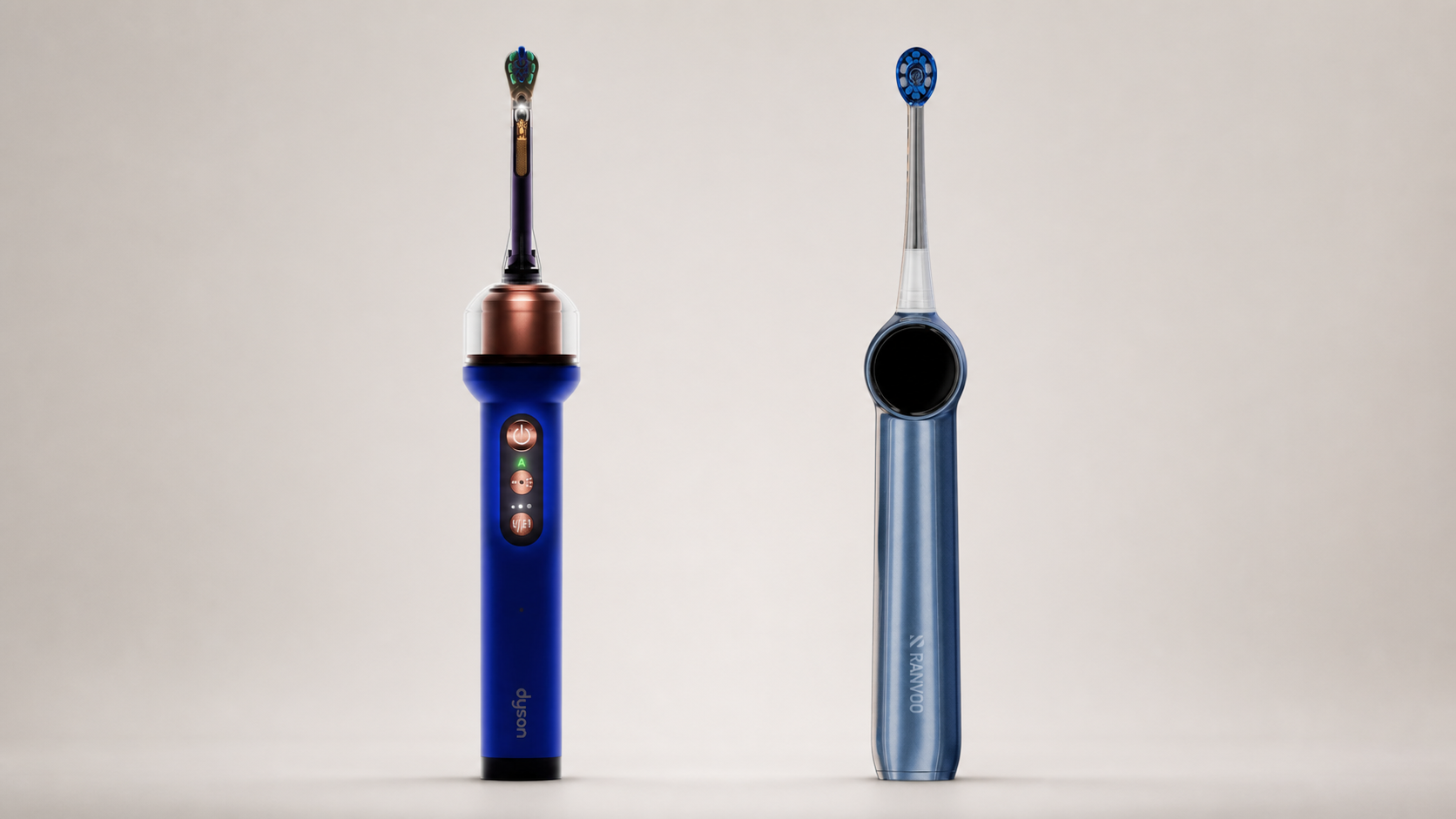
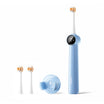
- Spazzolino per due minuti con un dentifricio al fluoro — idealmente con uno spazzolino che non aggravi le gengive già infiammate. Il RANVOO AirJet X5 Spazzolino elettrico utilizza la tecnologia a getto d’aria per rimuovere il biofilm lungo il bordo gengivale in modo delicato ma accurato, aspetto fondamentale quando le gengive sono già sensibili a causa della gengivite. Offre l’efficacia di cui hai bisogno senza il timore del dolore.
- Collutorio con un collutorio terapeutico (20 ml per 30 secondi). Se si utilizza la clorexidina, attendere 30 minuti dopo il risciacquo prima di mangiare o bere.
- Evitare di sciacquare con acqua subito dopo — è auspicabile che i principi attivi rimangano sui denti il più a lungo possibile.
Quando il solo uso del filo interdentale non basta — e quando il collutorio potrebbe essere il problema
Entrambi gli strumenti presentano dei limiti. Comprendere tali limiti aiuta a evitare frustrazioni e cattive abitudini.
Quando il collutorio può causare effetti collaterali che dovresti conoscere
- Clorexidina — colorazione brunastra dei denti e della lingua, alterazione del gusto, aumento della formazione di tartaro. Si tratta di effetti estetici e reversibili, ma che limitano l’uso quotidiano a lungo termine.
- Collutori a base di oli essenziali contenenti alcol , sensazione di bruciore e secchezza delle fauci in alcuni utenti. Sono disponibili versioni senza alcol con efficacia simile.
- Collutori CPC — e, occasionalmente, una lieve colorazione dei denti, sebbene in misura minore rispetto alla clorhexidina.
Quando il filo interdentale fallisce: perché il sanguinamento delle gengive dopo l’uso del filo interdentale potrebbe essere fuorviante
Se le gengive sanguinano quando si usa il filo interdentale, è quasi sempre un segno di gengivite attiva, non di un danno causato dal filo stesso. Il sanguinamento indica un’infiammazione e, se si pulisce con costanza quella zona, il sanguinamento cesserà dopo una o due settimane. Smettere perché si vede del sangue è la reazione peggiore: si lascia la placca in loco, peggiorando la situazione.
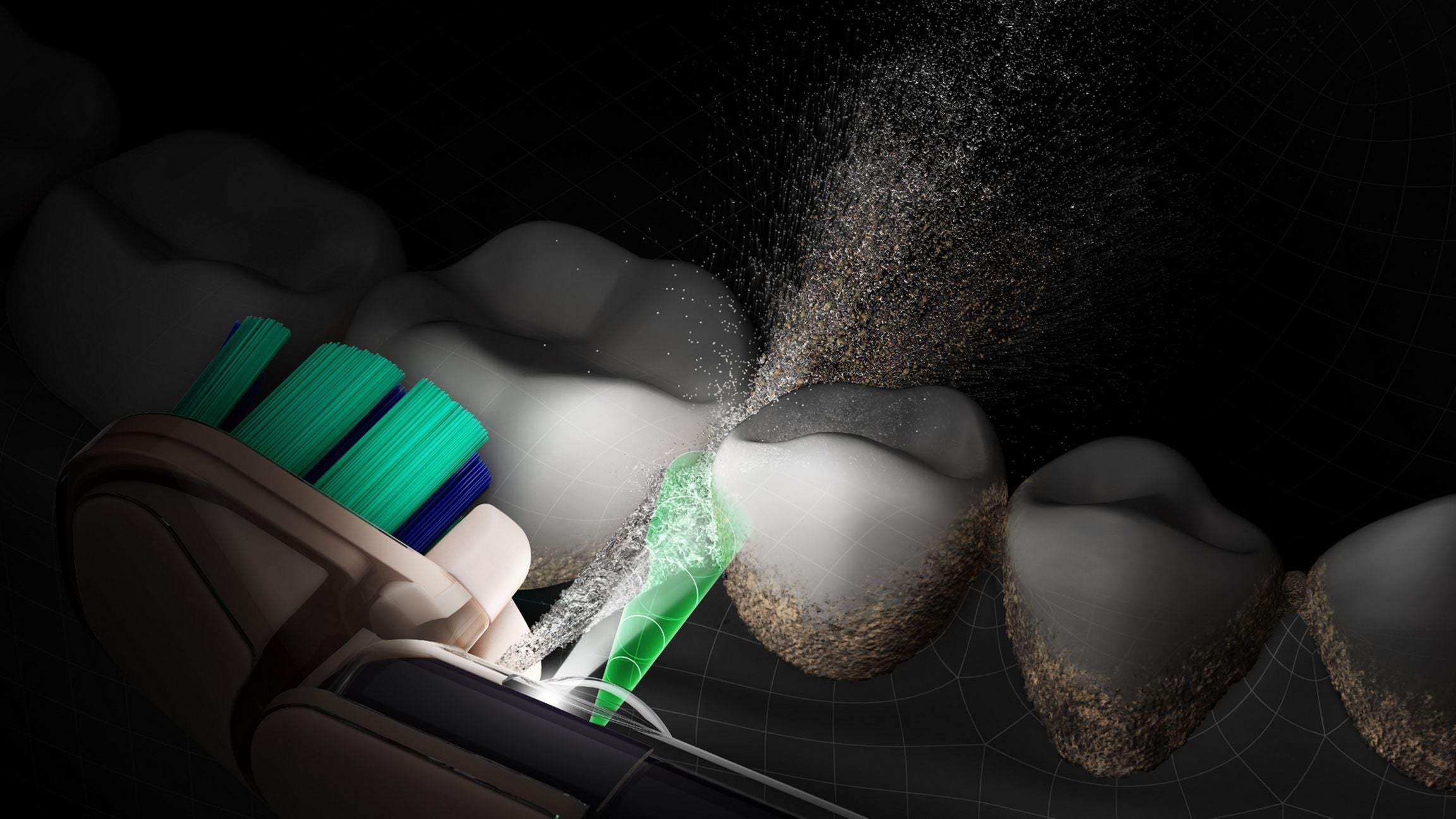
La paura di «farsi male» è anche il motivo per cui molte persone con gengive sensibili finiscono per rinunciare del tutto all’uso del filo interdentale — oppure si lavano i denti con tanta esitazione che la placca si accumula senza controllo. Se questo vi suona familiare, il Spazzolino elettrico RANVOO AirJet X5 è progettato proprio per risolvere questo dilemma: la sua tecnologia a getto di bolle rimuove delicatamente la placca dal bordo gengivale senza l’attrito abrasivo che irrita i tessuti sensibili, così puoi continuare a lavarti i denti con sicurezza mentre le gengive guariscono. Il sangue non è un motivo per smettere di pulire: è un motivo per pulire in modo più intelligente.
Qual è la posizione della comunità odontoiatrica? Raccomandazioni ufficiali dell’ADA e dei parodontologi
L’American Dental Association afferma che la pulizia interdentale (con filo interdentale, spazzolini interdentali, ecc.) è una parte essenziale dell’igiene orale quotidiana. Per quanto riguarda i collutori, l’ADA riconosce la loro Marchio di approvazione solo ai collutori terapeutici che dimostrano di ridurre la placca e la gengivite. L’ADA sottolinea che il collutorio non sostituisce la pulizia meccanica interdentale, ma può essere un utile coadiuvante.
«L’aggiunta di un collutorio contenente oli essenziali alla routine di igiene orale, che comprende lo spazzolino manuale e il filo interdentale, riduce ulteriormente la placca, la gengivite e il sanguinamento.» — Bosma et al., conclusioni dello studio clinico del 2024 fonte
Verdetto finale: quale dei due è più efficace — e perché la risposta dipende da te
Se si potesse scegliere solo una delle due, il filo interdentale rimarrebbe comunque la scelta preferita per pulizia interdentale — rimuovendo fisicamente la placca che un risciacquo non riesce a raggiungere. Ma le prove cliniche sono chiare: il collutorio antisettico può migliorare significativamente l’igiene orale complessiva e la salute delle gengive, specialmente se si hanno difficoltà con la tecnica o la costanza nell’uso del filo interdentale.
La tua matrice decisionale:
- Denti ben allineati, nessun problema gengivale rilevante → usare quotidianamente il filo interdentale cerato o in PTFE; il collutorio è facoltativo.
- Gengivite generalizzata, gengive sanguinanti → aggiungere un collutorio agli oli essenziali due volte al giorno dopo l’uso del filo interdentale.
- Apparecchi ortodontici, impianti o limitata destrezza → prendete in considerazione l’uso di un idropulsore + un collutorio CPC o EO senza alcol.
- Storia delle malattie parodontali → Seguite i consigli del vostro parodontologo; spesso si tratta di una combinazione personalizzata di spazzolini interdentali, filo interdentale e collutori alla clorexidina da utilizzare per brevi periodi.

Rivolgetevi al vostro dentista o igienista dentale. Potranno valutare la vostra anatomia specifica e le condizioni delle vostre gengive e aiutarvi a costruire una routine che funzioni davvero — giorno dopo giorno, anno dopo anno.