














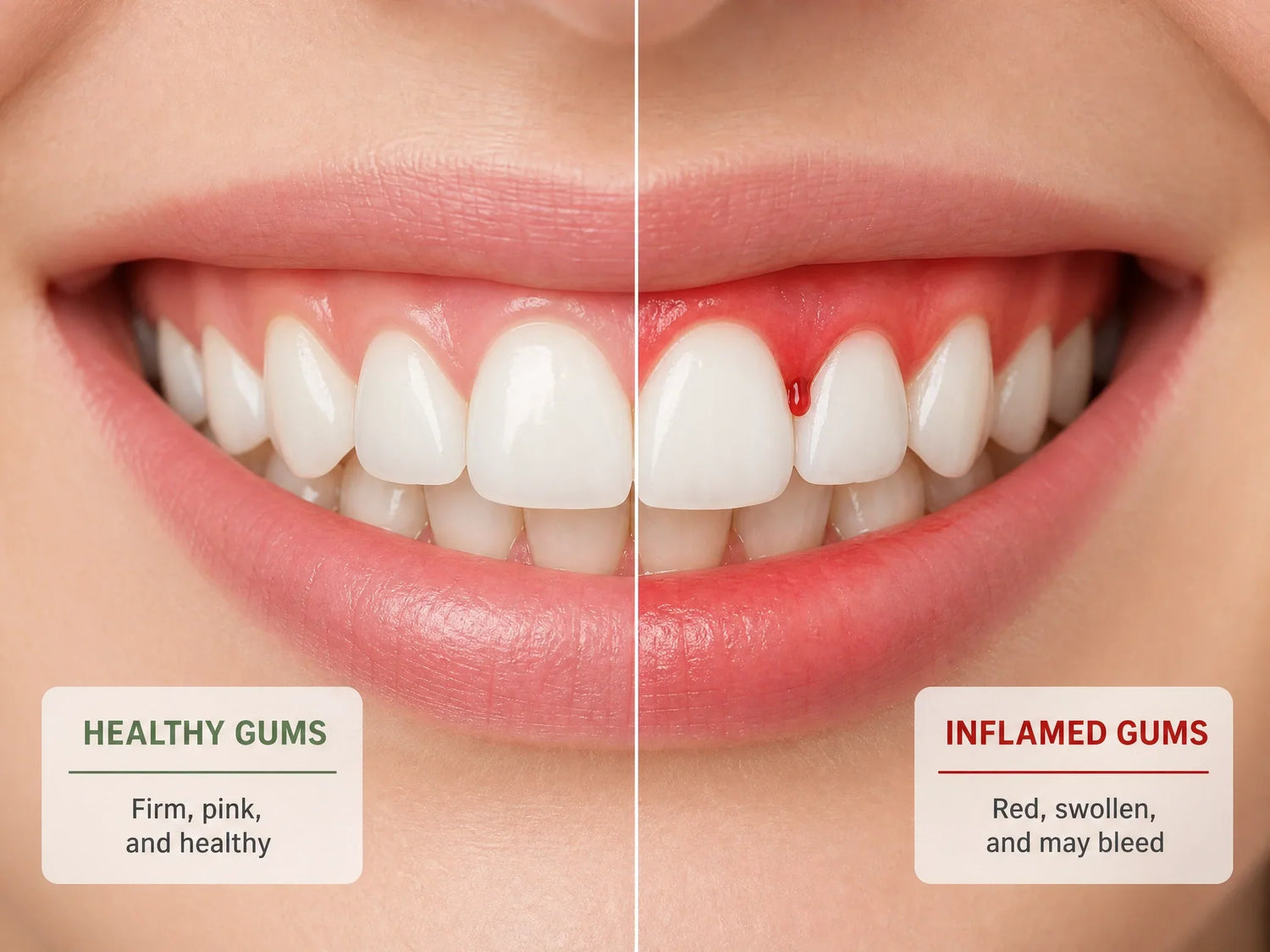
In sintesi – Le gengive che sanguinano sono il modo in cui il tuo corpo sventola una bandiera rossa. Il più delle volte, si tratta di gengivite — uno stadio precoce e completamente reversibile della malattia gengivale causato dalla placca che rimane troppo a lungo lungo il bordo gengivale. Ma il sanguinamento può anche essere scatenato da cambiamenti ormonali, alcuni farmaci, carenze vitaminiche o anche dal modo in cui ti lavi i denti. La buona notizia: un semplice piano di 5 giorni più una pulizia professionale possono fermare il sanguinamento e riportare le tue gengive in salute.
Noti del rosa nel lavandino dopo esserti lavato i denti o passato il filo interdentale — e scatta un piccolo allarme. È facile ignorarlo, ma quella traccia di sangue è in realtà un messaggio molto chiaro dalle tue gengive. In quasi tutti i casi, è un segno di infiammazione, non una coincidenza. E poiché i problemi gengivali precoci raramente causano dolore, questo sanguinamento potrebbe essere l'unico avvertimento che ricevi prima che la situazione peggiori.
Allora perché le tue gengive sanguinano? Esaminiamo le vere ragioni — dall'accumulo quotidiano di placca appiccicosa ai segnali di salute nascosti — e cosa puoi fare esattamente al riguardo.

La causa principale: l'attacco silenzioso della placca
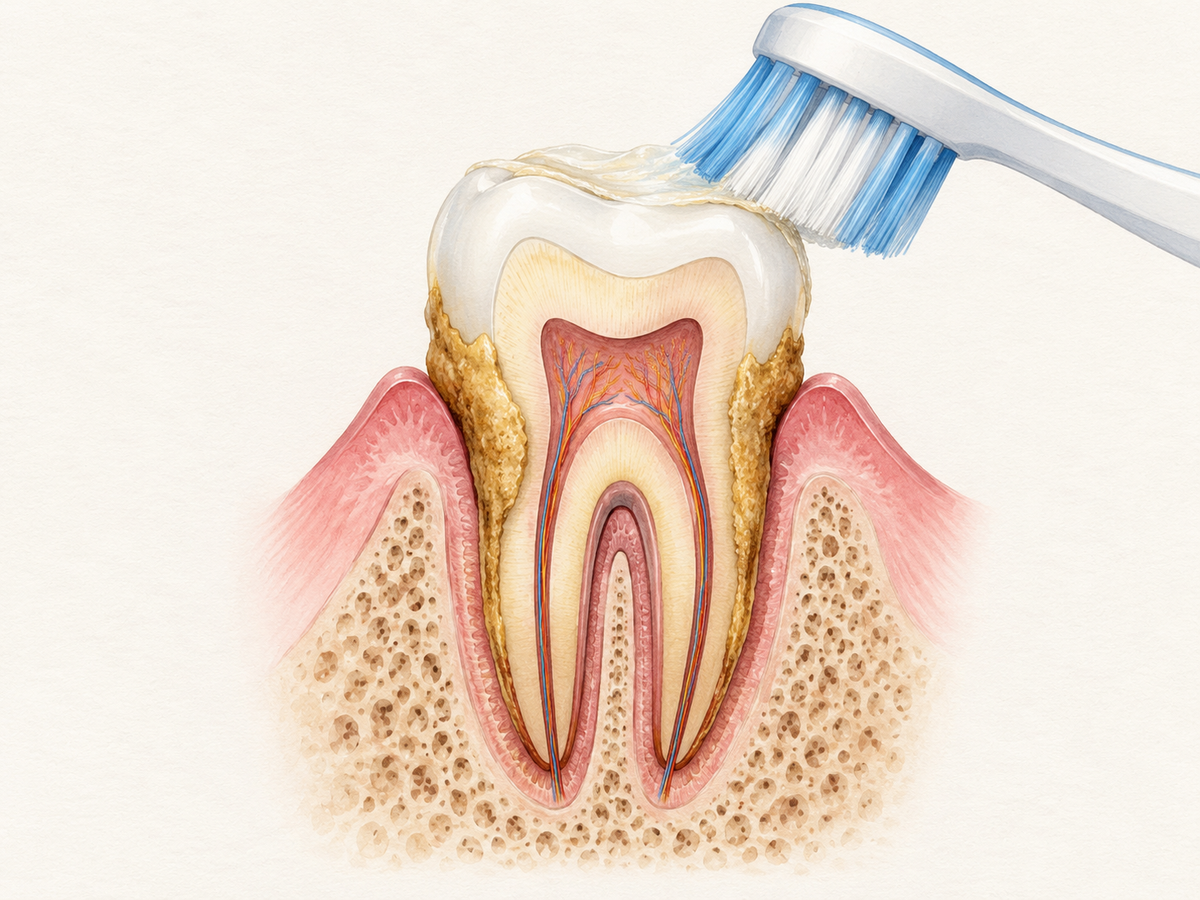
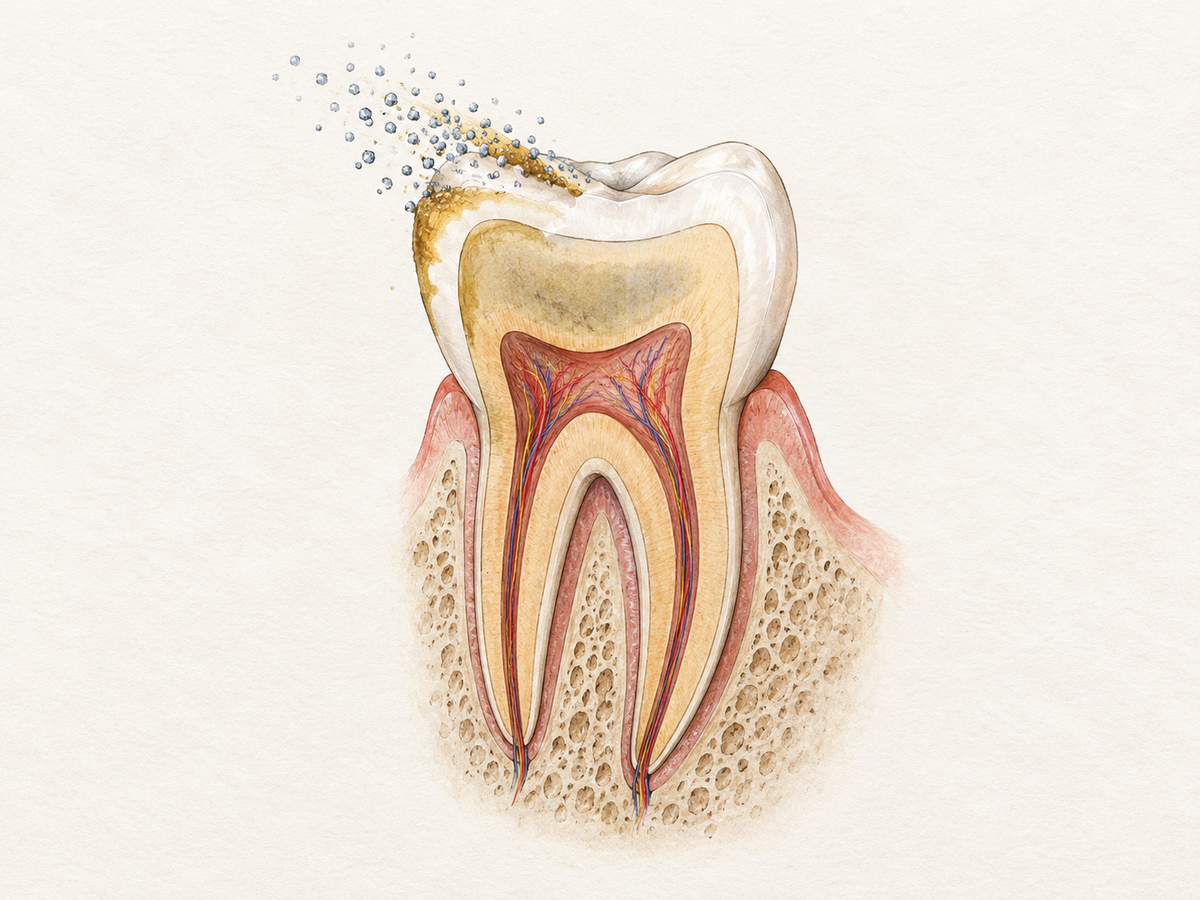
La ragione principale per cui le gengive sanguinano è la gengivite — un'infiammazione scatenata dalla placca dentale, quel sottile strato di batteri che si forma costantemente sui denti. Quando la placca non viene rimossa accuratamente, irrita il delicato tessuto gengivale proprio in corrispondenza del solco gengivale, la piccola tasca dove il dente incontra la gengiva.
Ecco cosa non puoi vedere: entro soli 4 giorni che la placca rimane indisturbata, si attiva una risposta infiammatoria acuta. I neutrofili si precipitano nell'area e il collagene inizia a degradarsi. Intorno al giorno 7, compaiono arrossamento e sanguinamento — questo è lo stadio della lesione precoce della gengivite. A quel punto, fino al 70% del collagene può essere perso nel tessuto interessato, anche se tutto è ancora reversibile. Ecco perché è così importante intervenire subito.
Se la placca non viene rimossa, si indurisce trasformandosi in tartaro — una crosta mineralizzata e ruvida che agisce come una scheggia sotto il bordo gengivale. Non puoi rimuovere il tartaro spazzolando o usando il filo interdentale. Mantiene viva la fiamma dell'infiammazione 24 ore su 24, 7 giorni su 7. Il punto chiave: la gengivite è una condizione indolore — tranne per quel sanguinamento quando ti lavi i denti o usi il filo interdentale. È l'unico sistema di allarme precoce affidabile.
Il sanguinamento è anche il principale parametro utilizzato dai dentisti per diagnosticare un problema gengivale attivo. L'indice BOP (Bleeding on Probing) è la misura gold standard: se un sito sanguina quando viene sondato delicatamente, è considerato infiammato e a rischio di progredire verso un danno più profondo. Quindi, quando noti sangue, stai essenzialmente eseguendo una versione casalinga dello stesso controllo.
Altri fattori scatenanti nascosti oltre alla placca
Sebbene la placca sia la principale colpevole, le gengive possono sanguinare per motivi che non hanno nulla a che fare con la cura con cui ti lavi i denti. Questi sono spesso trascurati ma cruciali per risolvere il problema.
- Spazzolamento eccessivamente aggressivo: Sfregare con uno spazzolino a setole dure o usare un movimento alternato a sega può lacerare il tessuto gengivale. Il sangue che vedi è un danno meccanico diretto, non infiammazione.
- Cambiamenti ormonali: Durante la gravidanza, la pubertà, la menopausa o anche i cicli mestruali, l'aumento di ormoni come il progesterone incrementa il flusso sanguigno e amplifica la reazione delle gengive anche a minime quantità di placca. Questa gengivite gravidica può far gonfiare e sanguinare le gengive in modo drammatico nonostante una buona igiene domestica.
- Apparecchi dentali non adatti: Protesi, apparecchi ortodontici o bite che sfregano o intrappolano cibo creano irritazione cronica e zone in cui la placca si accumula, portando a sanguinamento.
- Carenze vitaminiche: Sia la vitamina C (necessaria per il collagene e l'integrità dei vasi sanguigni) sia la vitamina K (necessaria per la coagulazione) possono causare sanguinamento gengivale quando i livelli sono bassi. Sebbene lo scorbuto grave da carenza di vitamina C sia ora raro, può ripresentarsi in diete estremamente restrittive o disturbi alimentari. La carenza di vitamina K spesso passa inosservata ma è altrettanto importante: senza una quantità sufficiente, anche una lieve irritazione da placca può causare sanguinamento persistente.
- Iperplasia gengivale indotta da farmaci: Alcuni farmaci — i calcio-antagonisti (per la pressione alta), la fenitoina (per le crisi epilettiche) o la ciclosporina (un immunosoppressore) — possono causare l'ingrossamento del tessuto gengivale che diventa bulboso. Questa iperplasia gengivale crea tasche profonde che sanguinano facilmente e intrappolano la placca, come descritto nelle revisioni cliniche.
Quando il sanguinamento segnala qualcosa di più
A volte le gengive sanguinanti sono un problema locale; altre volte possono indicare una questione di salute più ampia. Non si tratta di autodiagnosi, ma di collegare i punti per poter parlare con il professionista giusto.
- Diabete mellito: L'alto livello di zucchero nel sangue indebolisce i vasi sanguigni e rallenta la guarigione. Favorisce anche la crescita di batteri parodontali distruttivi. Un diabete ben controllato riduce drasticamente il rischio di sanguinamento gengivale, mentre un diabete scarsamente controllato rende anche una lieve placca un grosso problema.
- Farmaci anticoagulanti: Gli anticoagulanti come il warfarin o gli antiaggreganti piastrinici come l'aspirina e il clopidogrel non causano malattie gengivali, ma possono far sanguinare anche la più lieve infiammazione molto di più. Come nota l'ADA, per la maggior parte dei pazienti, non è necessario interrompere questi farmaci prima delle procedure odontoiatriche; il tuo dentista collaborerà con il tuo medico. Anche l'aspirina a basso dosaggio può causare un sanguinamento gengivale significativo quando è presente anche solo un accenno di placca.
- Disturbi del sangue: La leucemia non controllata o i deficit della coagulazione (come la malattia di Von Willebrand o l'emofilia) possono manifestarsi prima in bocca come sanguinamento gengivale spontaneo, pallore o gonfiore inspiegabile.
- Collegamento con l'infiammazione sistemica: Le stesse molecole infiammatorie che distruggono il tessuto gengivale — come le citochine IL-1 e IL-17 — non restano nella tua bocca. Livelli elevati nella malattia parodontale possono essere uguali o superiori a quelli osservati in condizioni croniche come la malattia infiammatoria intestinale, e sono collegati a un rischio più elevato di problemi cardiovascolari.
Se il sanguinamento è persistente, si verifica senza un evidente fattore scatenante legato alla placca, o è accompagnato da altri sintomi come febbre o stanchezza, è il momento di collegare i puntini con un medico.
Il tuo piano di 5 giorni per fermare il sanguinamento
Anche se le tue gengive sanguinano in questo momento, sono sorprendentemente resilienti. Ecco una routine concreta di cura a casa che colpisce direttamente la causa.
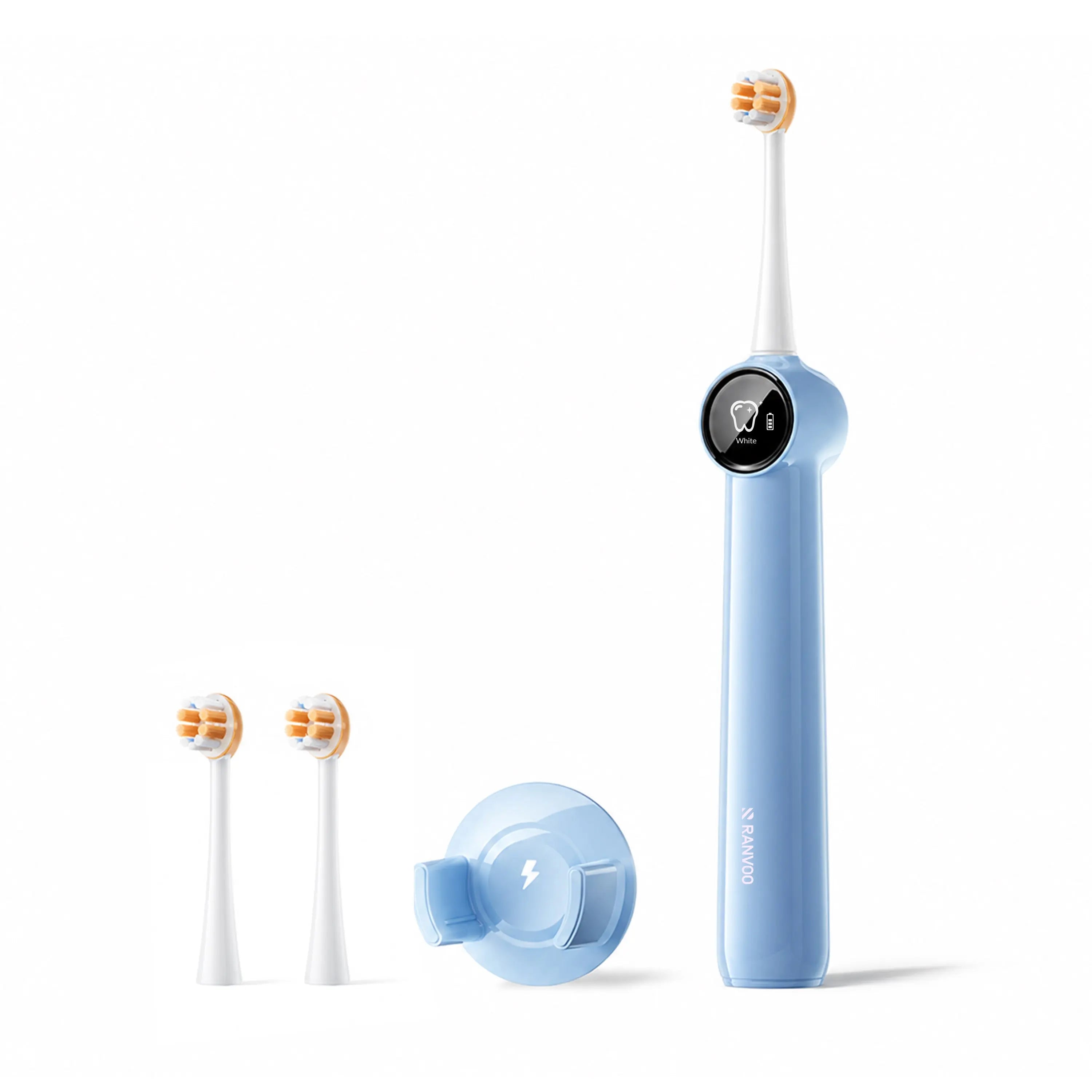
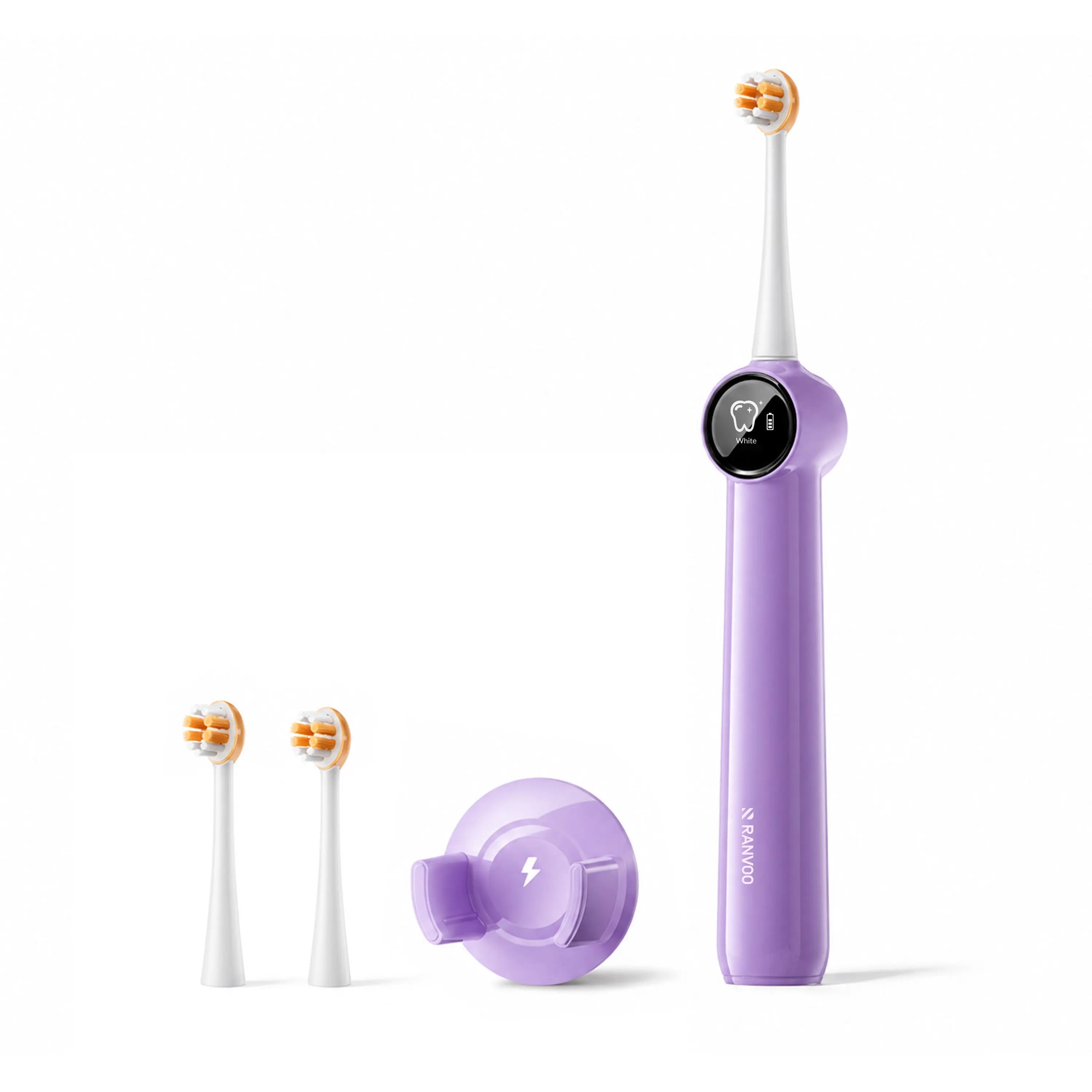
- Passa a uno spazzolino a setole morbide e, se puoi, elettrico: Uno spazzolino morbido pulisce efficacemente senza lacerare il delicato tessuto gengivale. Meglio ancora, uno spazzolino elettrico con movimento oscillante-rotatorio rimuove significativamente più placca lungo il bordo gengivale rispetto a uno spazzolino manuale, colpendo direttamente la causa principale dell'infiammazione.
- Perfeziona angolazione e pressione: Punta le setole con un'angolazione di 45 gradi verso il bordo gengivale e usa movimenti circolari o vibranti delicati — niente strofinamento. Uno spazzolino elettrico con sensore di pressione integrato è prezioso in questo caso; ti avvisa nel momento in cui premi troppo forte, prevenendo il trauma che può peggiorare il sanguinamento.
- Usa il filo interdentale anche se sanguina (sì, davvero): Incurva delicatamente il filo attorno a ogni dente a forma di C e fallo scorrere sotto il bordo gengivale. Il sanguinamento deriva dall'infiammazione esistente, non dal filo, e diminuirà giorno dopo giorno man mano che le gengive guariscono.
- Aggiungi un risciacquo con acqua salata tiepida: Una o due volte al giorno, sciacqua con mezzo cucchiaino di sale in una tazza di acqua tiepida. Calma i tessuti infiammati e riduce il carico batterico.
- Usa un collutorio antimicrobico: un risciacquo con cloruro di cetilpiridinio o una formula a base di oli essenziali senza alcol aggiunge un ulteriore livello di controllo della placca. In uno studio controllato della durata di 2 anni, un regime che associava uno spazzolino elettrico oscillante-rotante con un collutorio al CPC e il filo interdentale ha portato a una riduzione del 39% dei siti con sanguinamento gengivale rispetto alla cura abituale.
Sii costante. Se il sanguinamento non diminuisce notevolmente entro 5-7 giorni, è il momento del passo successivo.
Perché una Pulizia Professionale è Indispensabile
Tutta la perfetta cura domestica del mondo non può rimuovere il tartaro duro una volta che si è cementato sui denti. Ed è quel tartaro ruvido e carico di batteri che si trova sotto il bordo gengivale a mantenere attivo il ciclo dell'infiammazione.
Una pulizia professionale — spesso chiamata ablazione del tartaro e levigatura radicolare o terapia causale — è l'unico modo per interrompere fisicamente il ciclo. La linea guida clinica della Federazione Europea di Parodontologia sottolinea che questo primo passo riduce il biofilm sottogengivale e il calcolo, permettendo alle gengive di riattaccarsi e smettere di sanguinare. Il processo è semplice: il tuo dentista o igienista usa strumenti specializzati per rimuovere delicatamente ogni traccia di tartaro, sia sopra che sotto il bordo gengivale. Non è doloroso con un'anestesia adeguata, e il sollievo si può sentire entro pochi giorni.
Fissa un appuntamento se: - Il sanguinamento dura più di una settimana nonostante la tua migliore cura domestica - Le gengive sono doloranti, gonfie o con secrezioni - Hai alito cattivo persistente che non passa - Noti mobilità o gengive ritirate
Pensa a una pulizia professionale non come a una punizione, ma come a premere il pulsante di ripristino. È la prima mossa essenziale di cui le tue gengive hanno disperatamente bisogno.

Gengive Sane per la Vita: Una Semplice Abitudine a Lungo Termine
Una volta che le tue gengive smettono di sanguinare, l'obiettivo diventa mantenerle così — ed è più semplice di quanto pensi. Non si tratta di perfezione; si tratta di costanza.
- Spazzola due volte al giorno con uno spazzolino a setole morbide o elettrico, sempre sul bordo gengivale per due minuti.
- Pulisci tra i denti una volta al giorno con filo interdentale, scovolini interdentali o un idropulsore.
- Vai dal tuo dentista due volte all'anno — anche quando non fa male nulla. La manutenzione professionale impedisce al tartaro di accumularsi di nuovo lentamente.
- Mangia per la salute delle gengive: gli alimenti ricchi di vitamina C (agrumi, peperoni, fragole) e le fonti di vitamina K (verdure a foglia verde, broccoli) supportano la salute dei vasi sanguigni e della coagulazione.
- Smetti con il tabacco: il fumo restringe i vasi sanguigni e maschera il sanguinamento mentre accelera silenziosamente la distruzione di gengive e osso.
- Gestisci lo zucchero nel sangue se hai il diabete, e informa il tuo dentista di eventuali nuovi farmaci o cambiamenti di salute.
Le gengive che sanguinano non sono un fastidio casuale. Sono un segno di infiammazione altamente affidabile e scientificamente validato. E la parte bella? Nella stragrande maggioranza dei casi, la soluzione è interamente nelle tue mani: un po' più di cura a casa, lo strumento giusto e una collaborazione con il tuo team dentale. Le tue gengive ti ringrazieranno in silenzio, rimanendo rosa, sode e senza sangue.
Questo articolo è stato revisionato da un professionista del settore per garantirne l'accuratezza. Ha scopo puramente informativo ed educativo e non deve sostituire il parere medico, la diagnosi o il trattamento personalizzati. In caso di domande o dubbi sulla propria salute orale, si prega di consultare un dentista, un medico o un altro professionista sanitario qualificato.