















In breve: Il fluoro non sbianca né schiarisce chimicamente i denti. Il suo vero compito è rafforzare lo smalto e prevenire la carie. Il vero sbiancamento richiede trattamenti a base di perossido in grado di modificare il colore dei denti dall’interno verso l’esterno. Ma ecco cosa sfugge a molte persone: la capacità del fluoro di levigare e rinforzare lo smalto può rendere i denti visibilmente più luminosi nel tempo — non tramite sbiancamento, ma rendendo più difficile l’adesione delle macchie.

La risposta rapida e sincera
Probabilmente hai visto il fluoro elencato sul tubetto del dentifricio accanto a parole come “sbiancante” o “illuminante” e ti sei chiesto: ma il fluoro sbianca davvero i denti? La risposta diretta è no. Non ci sono prove che il fluoro possa sbiancare i denti, rimuovere le macchie profonde o modificare la tonalità naturale dello smalto. Ma ciò non significa che il fluoro non abbia alcun effetto sull’aspetto del tuo sorriso. Comprendere questa distinzione può farti risparmiare denaro sull’acquisto di prodotti inadatti e aiutarti ad apprezzare ciò che questo minerale fa davvero per la tua bocca.
Il vero superpotere del fluoro: rafforzare lo smalto e combattere la carie

Fluoro è un minerale presente in natura che agisce sulla superficie dei smalto dei denti, il guscio esterno duro di ogni dente. Il suo ruolo principale — e il motivo per cui viene aggiunto al dentifricio, ai collutori e persino alle reti idriche comunitarie — è quello di prevenire la carie.
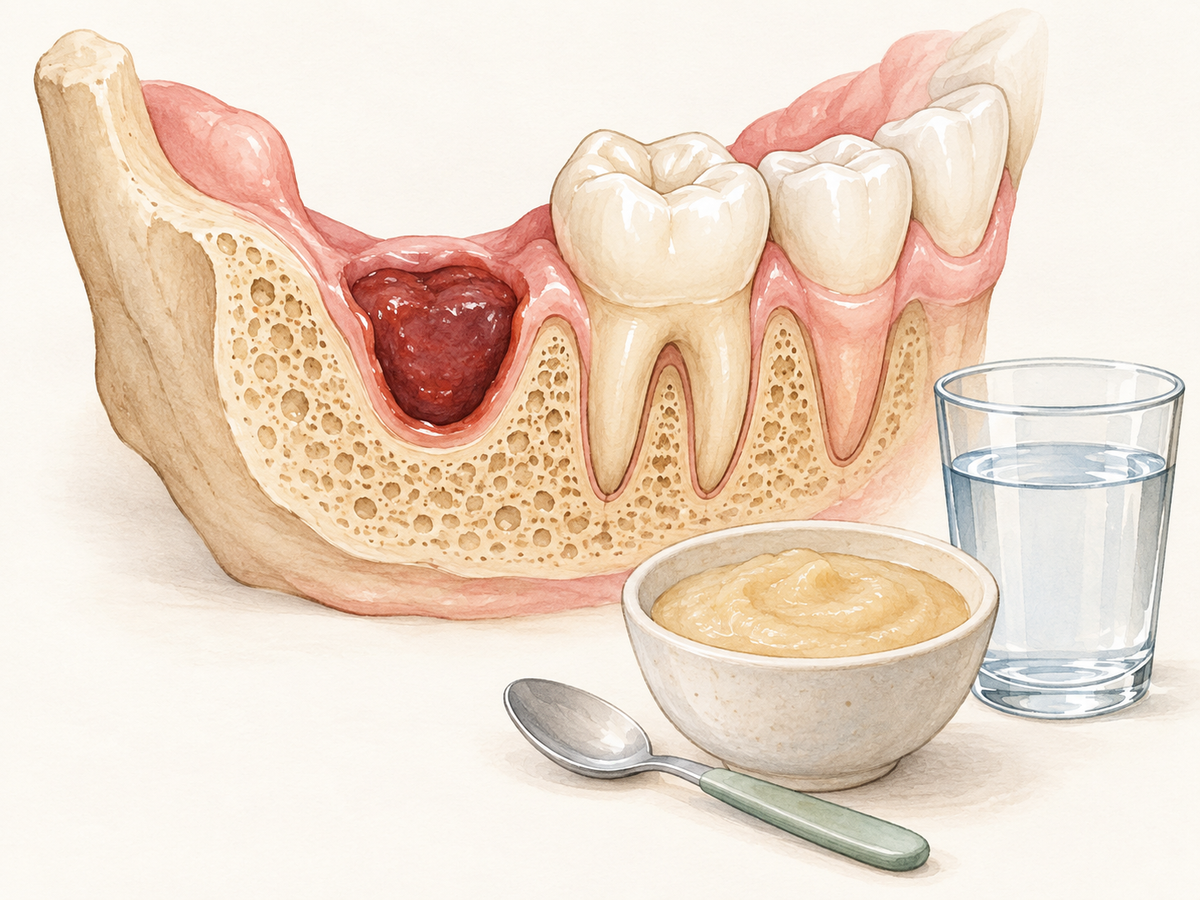
Ogni giorno, lo smalto perde piccole quantità di calcio e fosfato attraverso un processo chiamato demineralizzazione, soprattutto quando si mangia o si beve qualcosa di acido. Il fluoro interviene per accelerare rimineralizzazione, aiutando la saliva a depositare nuovamente quei minerali persi nello smalto, formando spesso un cristallo ancora più resistente chiamato fluorapatite. Questa superficie ricostruita è più resistente agli acidi e meno soggetta alla formazione di carie.
In altre parole, il fluoro è la squadra di operai dello smalto, non la sua verniciatura. Ripara i danni microscopici e può persino invertire la carie in fase iniziale, comprese le piccole lesioni a macchia bianca — quei segni gessosi che segnalano l’inizio di una carie. Sebbene quelle macchie possano sembrare più bianche, in realtà sono segni di debolezza strutturale. Il fluoro ripristina livelli minerali sani, il che spesso fa sbiadire quelle macchie in una tonalità più naturale e traslucida. Si tratta di una riparazione, non di un effetto sbiancante cosmetico.
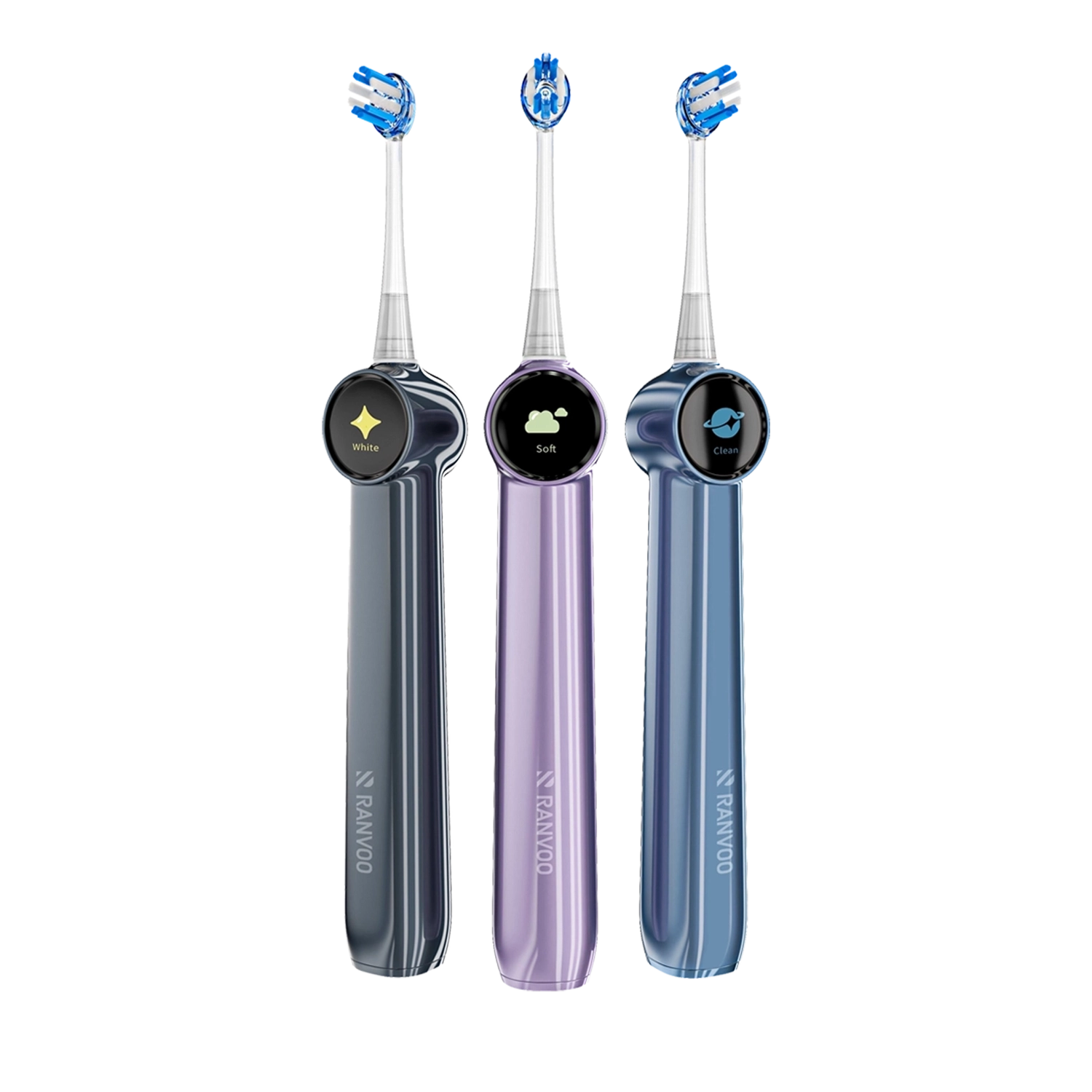
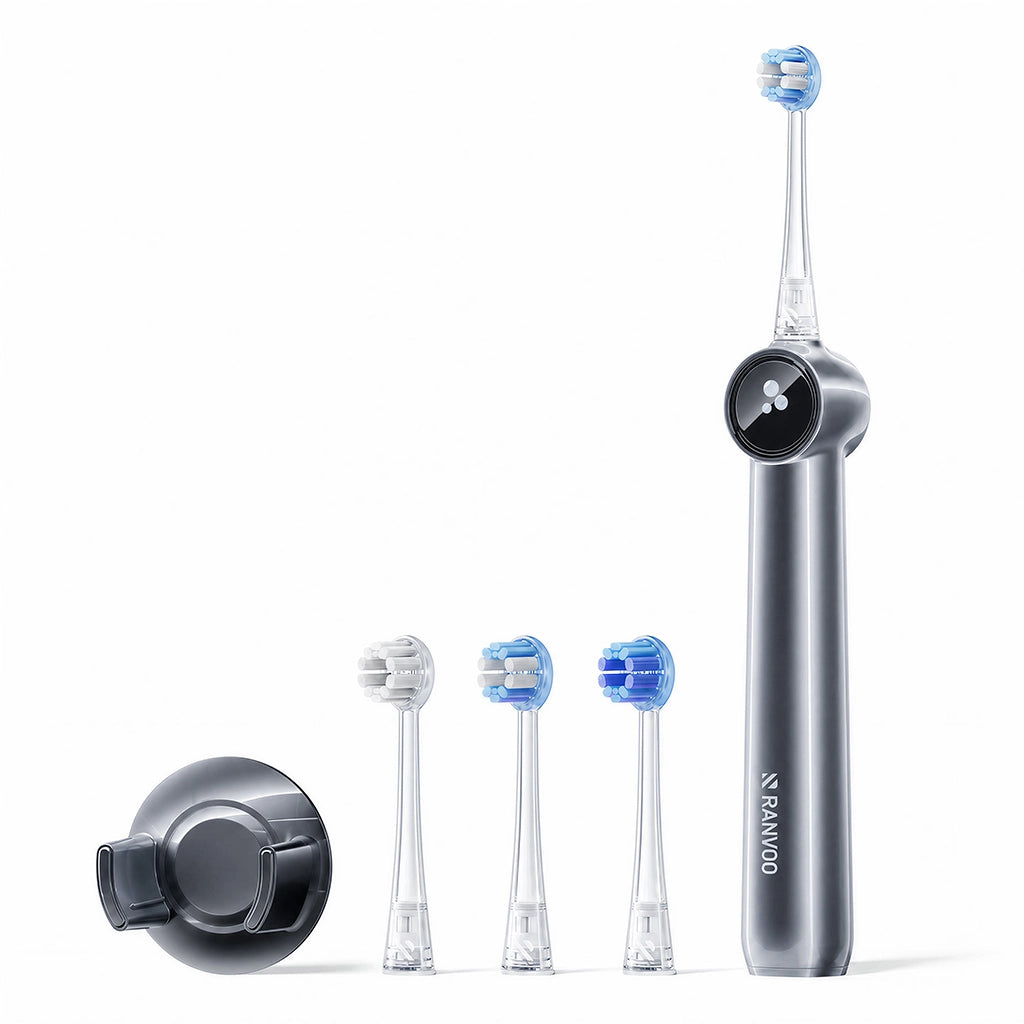
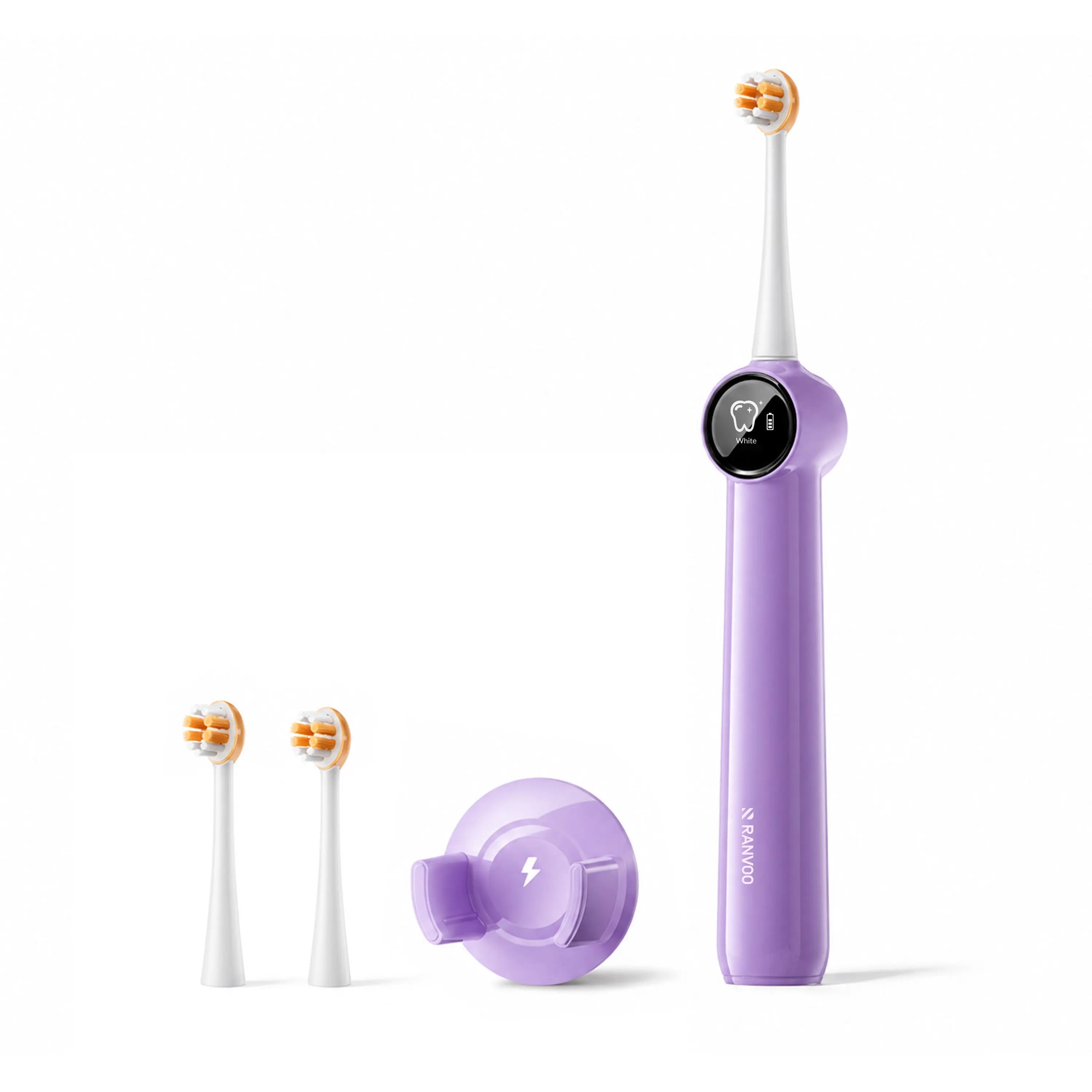
Utilizzando un spazzolino elettrico sonico può potenziare ulteriormente questo beneficio di remineralizzazione. La sua fluidodinamica spinge il dentifricio al fluoro in profondità tra i denti e lungo il bordo gengivale, assicurando che il minerale raggiunga ogni microscopica cavità e solco dove altrimenti inizierebbe la carie.
Perché lo sbiancamento e la protezione dalla carie sono due cose completamente diverse

Per capire perché il fluoro non sbianca, è necessario comprendere cosa sia realmente sbiancamento dentale — come la definiscono i dentisti sbiancamento dentale — in realtà comporta. Il vero sbiancamento si basa su sostanze chimiche attive come perossido di idrogeno oppure perossido di carbamide. Questi composti si scompongono in molecole di ossigeno che penetrano nello smalto e lo ossidano macchie intrinseche annidata in profondità nella struttura del dente. È così che un dente ingiallito o scurito può diventare visibilmente più chiaro: le molecole di pigmento al suo interno vengono scomposte chimicamente.
Il fluoro non può farlo. Non penetra negli strati interni del dente e non ha alcun potere ossidante. Anche quando il fluoro viene aggiunto ai gel sbiancanti, non è lì per potenziare lo sbiancamento, ma per combattere la temporanea ruvidità superficiale e la sensibilità che il perossido può causare.
Uno studio in vitro ha verificato questa ipotesi applicando collutorio al fluoro, dentifricio e vernice al fluoro prima, dopo o durante lo sbiancamento professionale. I risultati sono stati chiari: i prodotti al fluoro non hanno avuto alcun effetto sul cambiamento di colore ottenuto dall’agente sbiancante. I denti sono risultati bianchi tanto con l’aggiunta di fluoro quanto senza. Quindi il fluoro non interferisce con lo sbiancamento, ma non lo crea né lo potenzia.
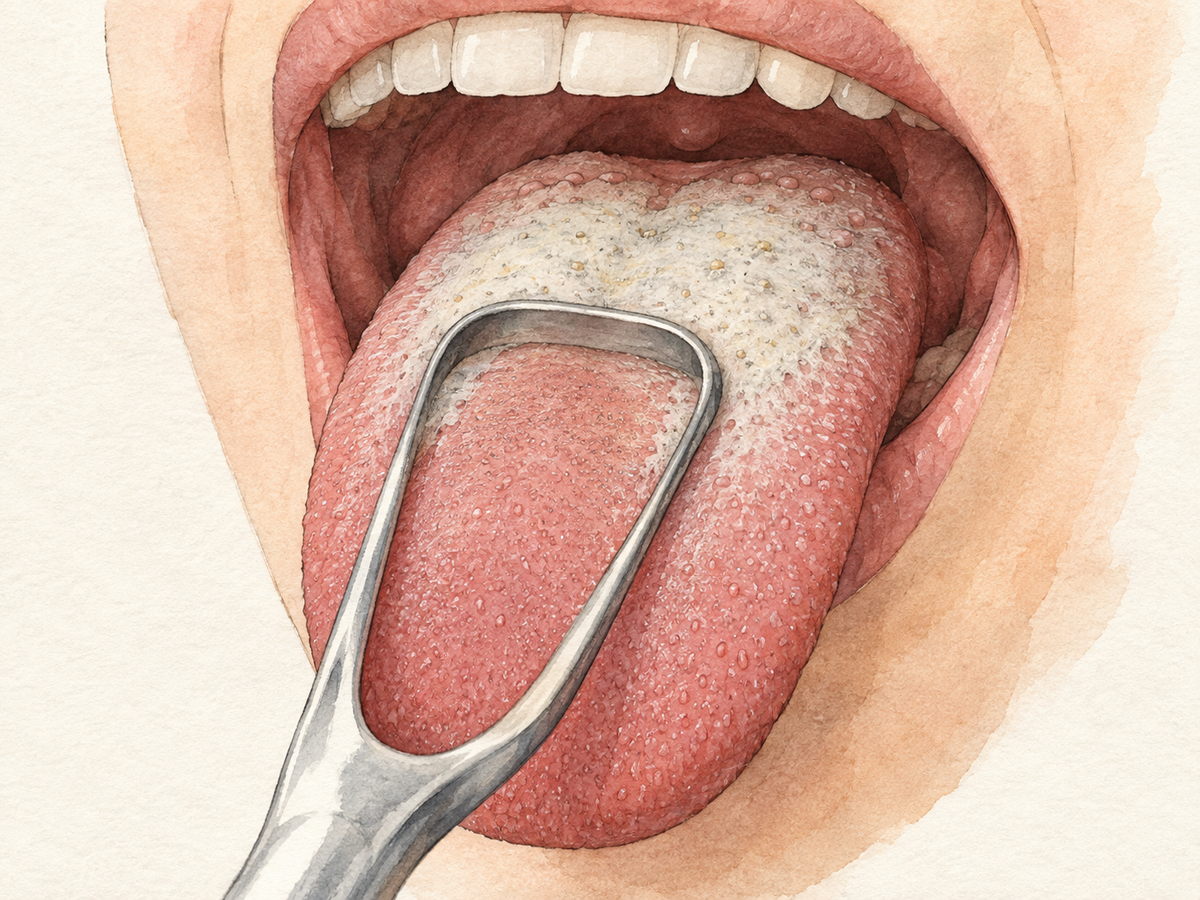
Allo stesso modo, macchie estrinseche — lo strato brunastro causato da caffè, tè, vino rosso o tabacco — si deposita sulla superficie esterna dello smalto. Questi vengono rimossi spazzolando i denti con abrasivi come la silice o il carbonato di calcio, non dal fluoro stesso. Molti dentifrici sbiancanti contengono sia fluoro (per la protezione dalla carie) che abrasivi delicati (per la rimozione delle macchie superficiali), oltre a, talvolta, sbiancanti ottici come la covarina blu che crea un’illusione istantanea di bianchezza. È facile pensare che sia il fluoro a sbiancare i denti, ma in realtà si tratta dello sfregamento fisico e di un trucco visivo.
Il legame sottile: come uno smalto più forte può mantenere il tuo sorriso più luminoso

Sebbene il fluoro non abbia un effetto sbiancante, può comunque influire sulla luminosità dei denti, ma in modo indiretto, agendo come un trattamento di mantenimento.
Quando il fluoro accelera la rimineralizzazione, riempie le microscopiche irregolarità e le cavità che si formano naturalmente o in seguito ad attacchi acidi. Una superficie dello smalto più liscia riflette la luce in modo più uniforme ed è meno soggetta a trattenere i pigmenti alimentari. Ciò significa che, nel tempo, i denti trattati con il fluoro possono resistere meglio alle nuove macchie superficiali rispetto allo smalto indebolito e demineralizzato. Non noterete un cambiamento di colore drastico come dopo un trattamento sbiancante, ma il vostro sorriso potrà apparire più pulito e luminoso semplicemente perché lo smalto rimane più sano.
Tale effetto è stato confermato da un recente studio sui denti sbiancati. I ricercatori hanno scoperto che, mentre gli agenti di remineralizzazione contenenti fluoro non hanno influito sullo sbiancamento iniziale, quelli contenenti fosfopeptide di caseina-fosfato di calcio amorfo e fluoro (CPP-ACPF) o idrossiapatite più fluoro contribuisce a mantenere la brillantezza e rallenta la ricomparsa delle macchie causate dal vino rosso. Quindi il vero contributo estetico del fluoro è mantenere luminoso il tuo sorriso dopo che è stato sbiancato, non creare lo sbiancamento in primo luogo.
Passare a un spazzolino elettrico può sostenere questa manutenzione. L’eccellente rimozione della placca e la pressione uniforme esercitata da uno spazzolino elettrico riducono lo strato su cui si depositano le sostanze che causano le macchie, mentre il dentifricio al fluoro mantiene lo smalto in continuo processo di ricostruzione.
Cosa usare per uno sbiancamento vero e proprio

Se desideri una tonalità visibilmente più bianca, hai bisogno di un prodotto che sbianchi chimicamente. Ecco cosa dimostrano le ricerche che funziona davvero:
- Gel e strisce a base di perossido: Sia che vengano applicati a casa con mascherine personalizzate o presso lo studio dentistico, i prodotti contenenti perossido di idrogeno o perossido di carbamide sono la base di uno sbiancamento sicuro ed efficace. Una revisione sistematica di 30 studi ha confermato che sia lo sbiancamento professionale che quello domiciliare schiariscono efficacemente il colore dei denti, e che il perossido di carbamide per uso domiciliare tende a offrire risultati più duraturi con una minore sensibilità.
- Trattamenti professionali in studio: Un professionista odontoiatrico può utilizzare concentrazioni più elevate di perossido (spesso con attivazione luminosa) per ottenere risultati più rapidi. Tuttavia, ciò può aumentare temporaneamente sensibilità post-sbiancamento.
- Strisce sbiancanti da banco e gel da applicare con un pennellino: Questi possono essere efficaci se contengono una concentrazione comprovata di perossido, ma i risultati sono spesso più lenti e meno evidenti rispetto ai kit supervisionati dal dentista.
Un avvertimento: evitate di usare in modo eccessivo dentifrici “sbiancanti” altamente abrasivi che promettono risultati spettacolari senza perossido. Questi prodotti possono rimuovere lo smalto superficiale nel tempo, facendo apparire i denti effettivamente più gialli man mano che la dentina più scura sottostante comincia a trasparire. Cercate sempre il Marchio di approvazione dell’ADA scegli i dentifrici al fluoro se vuoi un alleato affidabile contro la carie.
Dopo lo sbiancamento, i denti potrebbero risultare temporaneamente sensibili. È qui che agenti desensibilizzanti entrano in gioco prodotti contenenti fluoro, nitrato di potassio o fosfato di calcio amorfo. Questi aiutano a lenire i nervi e a ricostruire la superficie dello smalto, ma non sono di per sé agenti sbiancanti. Il tuo dentista può consigliarti la giusta cura post-sbiancamento, così potrai goderti il tuo sorriso più luminoso senza fastidi.
In conclusione: Il fluoro è un vero campione nel mantenere i denti forti, nel curare la carie in fase iniziale e nel preservare una superficie liscia che resiste alle macchie. Ma per uno sbiancamento visibile, è necessario un trattamento a base di perossido. Conoscere la differenza ti aiuta a scegliere gli strumenti giusti e ad apprezzare i risultati.
Questo articolo è stato revisionato da un professionista del settore per garantirne l'accuratezza. Ha scopo puramente informativo ed educativo e non deve sostituire il parere medico, la diagnosi o il trattamento personalizzati. In caso di domande o dubbi sulla propria salute orale, si prega di consultare un dentista, un medico o un altro professionista sanitario qualificato.