











In breve: Raschiare la lingua richiede solo 10 secondi al giorno, rimuove la pellicola di batteri che causa l'alitosi e funziona significativamente meglio che spazzolare la lingua con uno spazzolino. Uno studio clinico comparativo ha dimostrato che i raschiatori hanno ridotto i composti volatili dello zolfo che causano cattivi odori del 75%, rispetto a una riduzione del 45% con il solo spazzolino. Padroneggiare il semplice movimento dalla parte posteriore a quella anteriore è tutto ciò che serve per rendere la bocca decisamente più fresca.

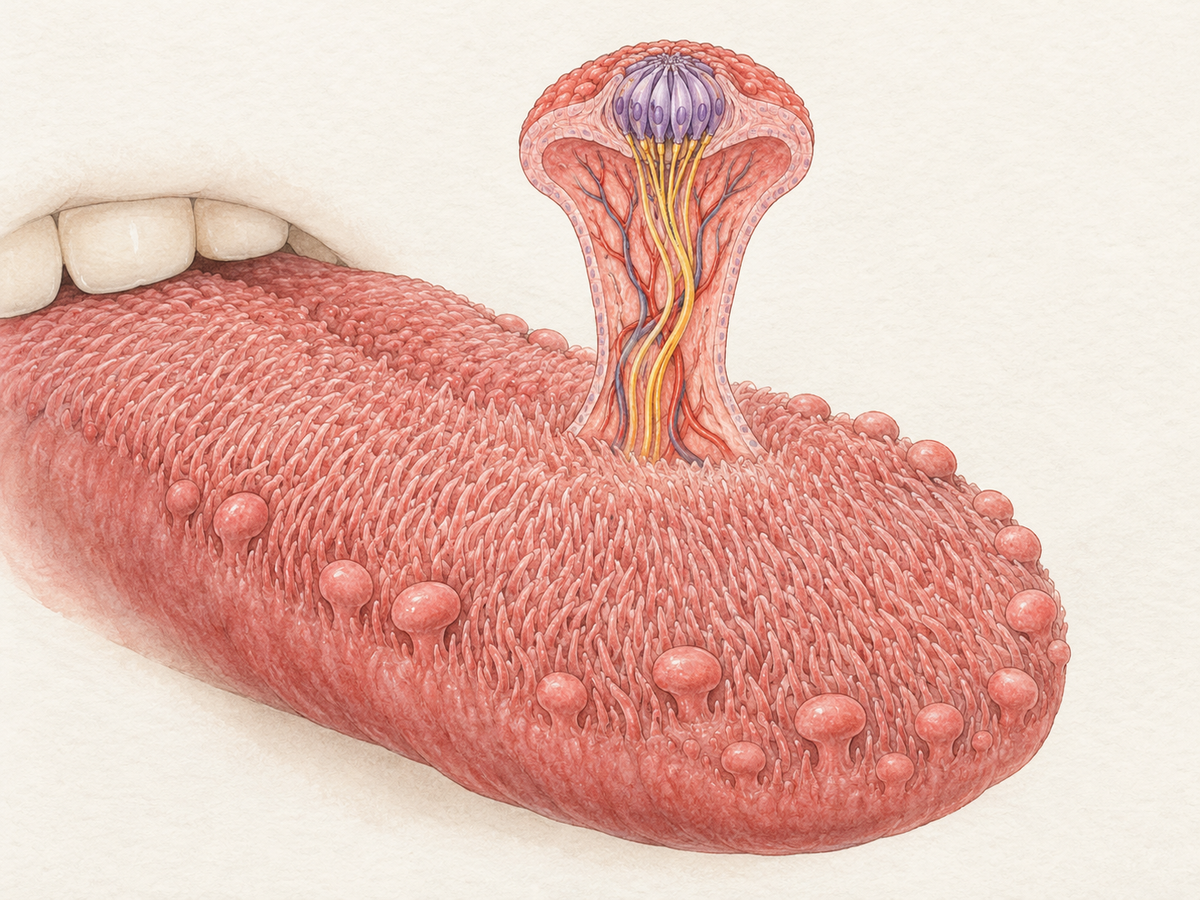
La lingua è un paradiso per i batteri. La sua superficie ruvida, piena di minuscole papille filiformi, intrappola particelle di cibo, cellule morte e miliardi di microrganismi. Questo accumulo, noto come patina linguale , è la principale fonte di alitosi, o cattivo odore persistente. Sebbene spazzolare i denti sia essenziale, le setole di uno spazzolino non riescono a appiattire e rimuovere la patina dagli anfratti profondi della lingua. Un raschietto per la lingua, uno strumento dedicato con bordo liscio e arrotondato, è progettato appositamente per questo compito. Usarlo quotidianamente può ridurre drasticamente la carica di batteri che producono odori e rendere l'alito notevolmente più fresco.
Cosa ti serve
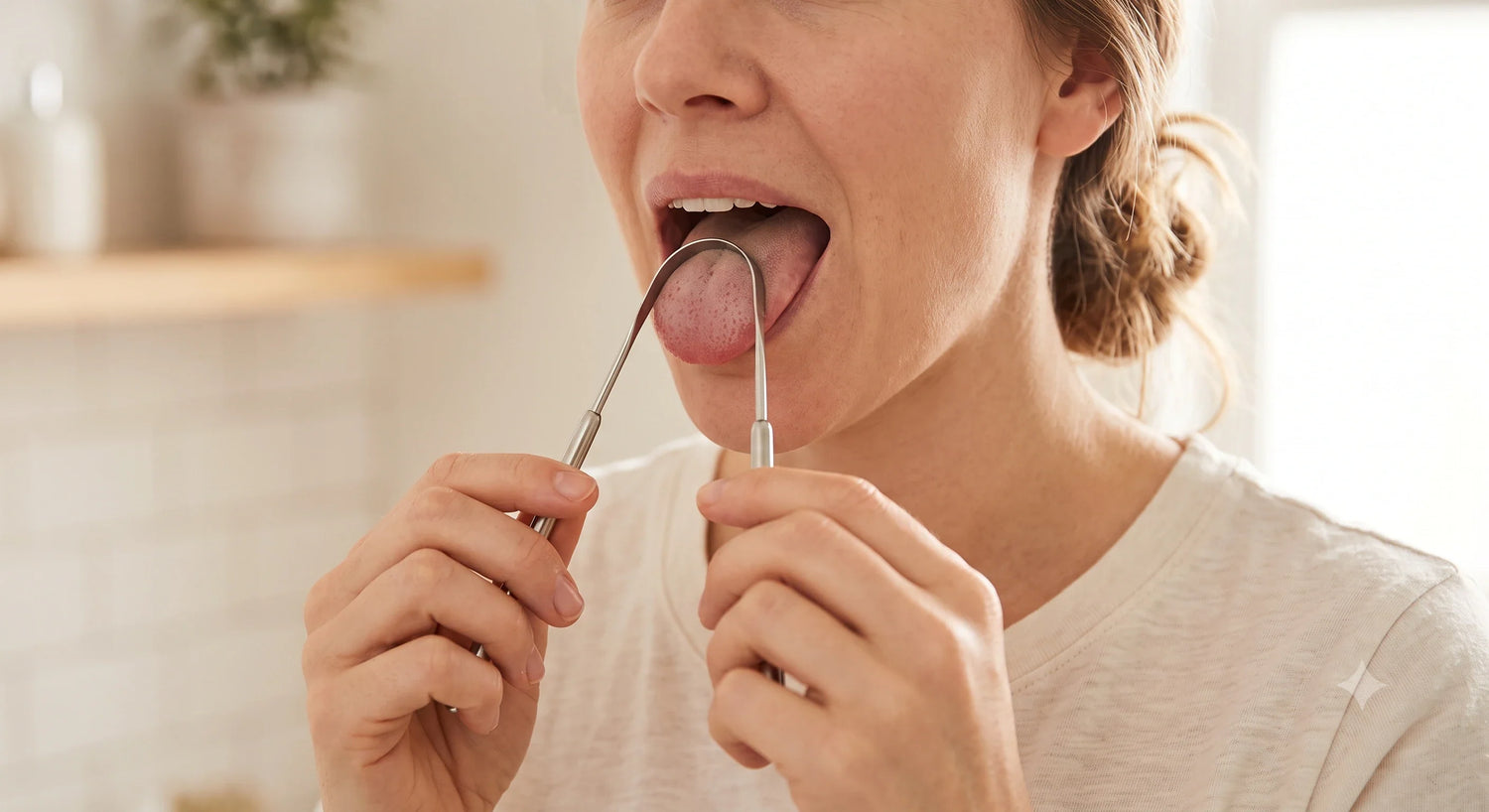
Iniziare è quasi uno sforzo minimo. Basta procurarsi pochi elementi essenziali: - Un raschietto per la lingua. Le opzioni in metallo (acciaio inossidabile o rame) e in plastica funzionano entrambe bene. Un design a forma di U spesso risulta più stabile, ma qualsiasi raschietto che hai a portata di mano farà il suo lavoro. - Uno specchio. Per vedere la patina che stai rimuovendo e posizionare il raschietto con precisione. - Acqua corrente. Per sciacquare il raschietto tra una passata e l'altra.
Ecco fatto. Non serve dentifricio, né gel speciale: è lo strumento a fare tutto il lavoro.
Passaggio 1: trova la posizione di partenza giusta
Mettiti davanti allo specchio, apri la bocca comodamente e tira fuori la lingua il più possibile. L'obiettivo è posizionare il bordo arrotondato del raschietto sulla parte posteriore della lingua — idealmente il terzo posteriore — prima di scatenare il riflesso faringeo. Se sei alle prime armi, non forzare. Inizia a metà lingua e, nell'arco di qualche giorno, avanza delicatamente verso il fondo. Espirare dal naso mentre raggiungi la parte posteriore spesso calma il riflesso faringeo. Con il tempo, la tua soglia si sposterà più indietro, dandoti accesso all'area dove i batteri anaerobi producono la maggior parte di composti volatili dello zolfo (VSC), le molecole responsabili dell'alito uovo marcio.
Fase 2: Applica una pressione delicata e uniforme
Premi il raschietto con sufficiente fermezza per garantire un contatto completo con la superficie della lingua. Dovresti sentire una resistenza morbida, non dolore. Pensa a far scivolare una carta di credito su un tavolo: vuoi un movimento ampio e costante, non una pressione pungente. Un tocco più leggero è quasi sempre più efficace della forza bruta. Una pressione eccessiva può irritare le delicate papille e persino causare piccole abrasioni, che nel tempo possono intrappolare più batteri. Lascia che sia il bordo dello strumento a fare il lavoro.
Fase 3: Tira in avanti con un movimento fluido
Ora arriva il movimento principale: tira il raschietto verso la punta della lingua con un'unica passata controllata, senza sollevarlo. Non segare avanti e indietro: in questo modo ridistribuisci solo lo sporco che stai cercando di rimuovere. Immagina di pulire un sottile strato di yogurt da un cucchiaio: una passata pulita rimuove l'intero film. La passata dovrebbe durare da uno a due secondi. Quando hai finito, vedrai un residuo beige, bianco o giallastro accumularsi sul bordo del raschietto: è il rivestimento della lingua che lascia la bocca per sempre.
Fase 4: Risciacqua, ripeti e sappi quando fermarti
Dopo ogni passata, risciacqua il raschietto sotto acqua corrente per rimuovere il biofilm. Poi ripeti lo stesso movimento da dietro a davanti. Di solito bastano da due a quattro passate. Fermati quando la lingua appare rosa e si sente fresca, non cruda o con bruciore. Se noti una qualsiasi irritazione, stai raschiando troppo forte o facendo troppe passate. L'abitudine non dovrebbe mai essere aggressiva.

Una nota sulla manutenzione del raschietto: dopo ogni utilizzo, lava lo strumento con acqua tiepida e sapone delicato, asciugalo (se è di metallo) e conservalo in un luogo pulito e asciutto. Sostituisci i raschietti di plastica ogni tre-sei mesi; le versioni in metallo possono durare molto più a lungo, ma vanno pulite accuratamente. Uno strumento pulito previene la reintroduzione di batteri la mattina successiva.
Consigli professionali per risultati ancora migliori
Integra questi piccoli accorgimenti nella tua routine e la freschezza durerà tutto il giorno.
- Raschiati prima di lavare i denti, non dopo. Farlo per primo significa rimuovere i detriti e i batteri senza lavare via il fluoro protettivo del tuo dentifricio. Una lingua pulita consente anche a qualsiasi collutorio antibatterico di agire in modo più efficace in seguito.
- Usa uno specchio per precisione. Guardarti allo specchio ti aiuta a stare al centro e a vedere esattamente dove rimane il rivestimento, soprattutto ai bordi della lingua.
- Raschiati la lingua asciutta. Per ottenere i migliori risultati, raschia subito dopo il risveglio, prima di bere acqua o fare risciacqui. Una superficie asciutta consente al raschietto di sollevare il film appiccicoso più facilmente.
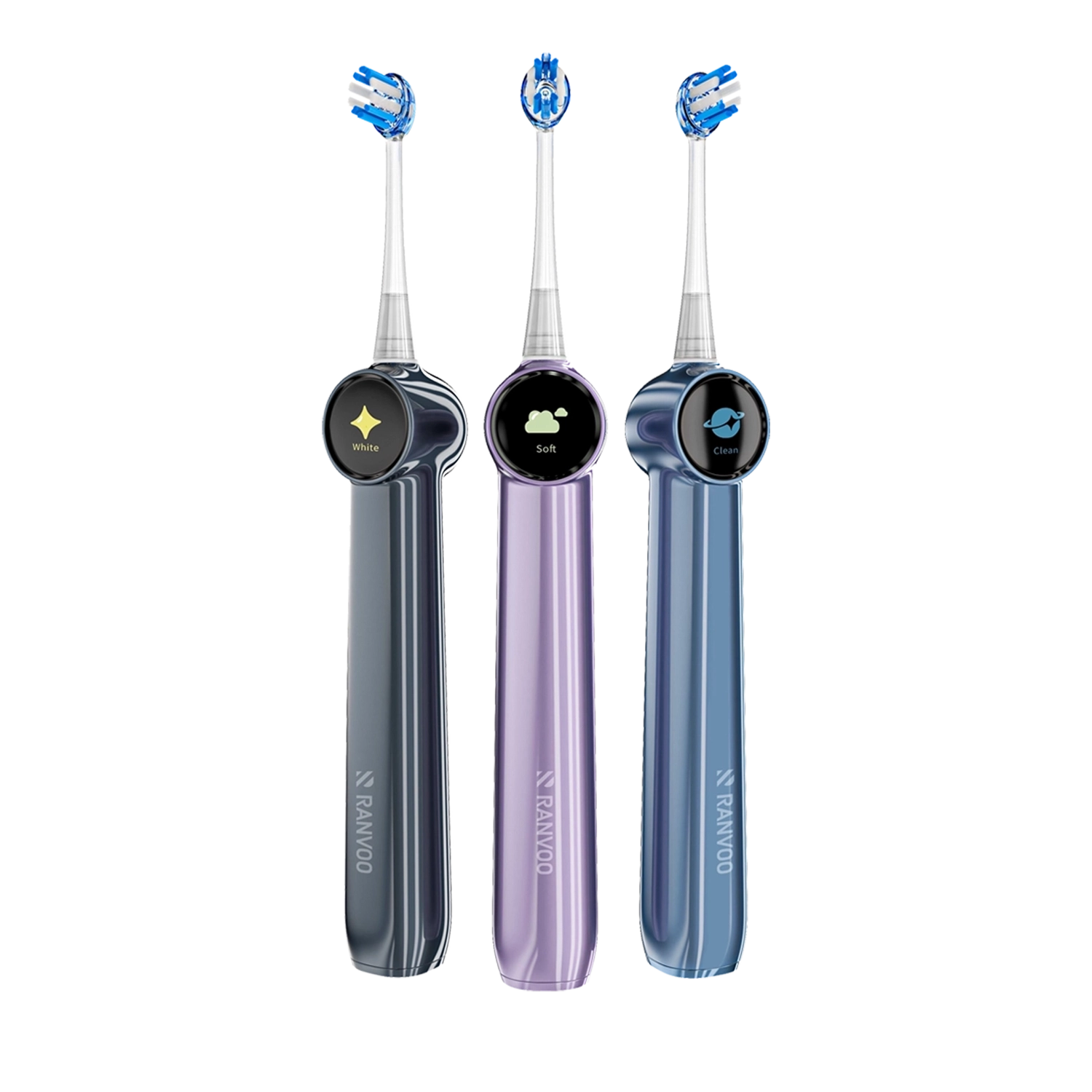
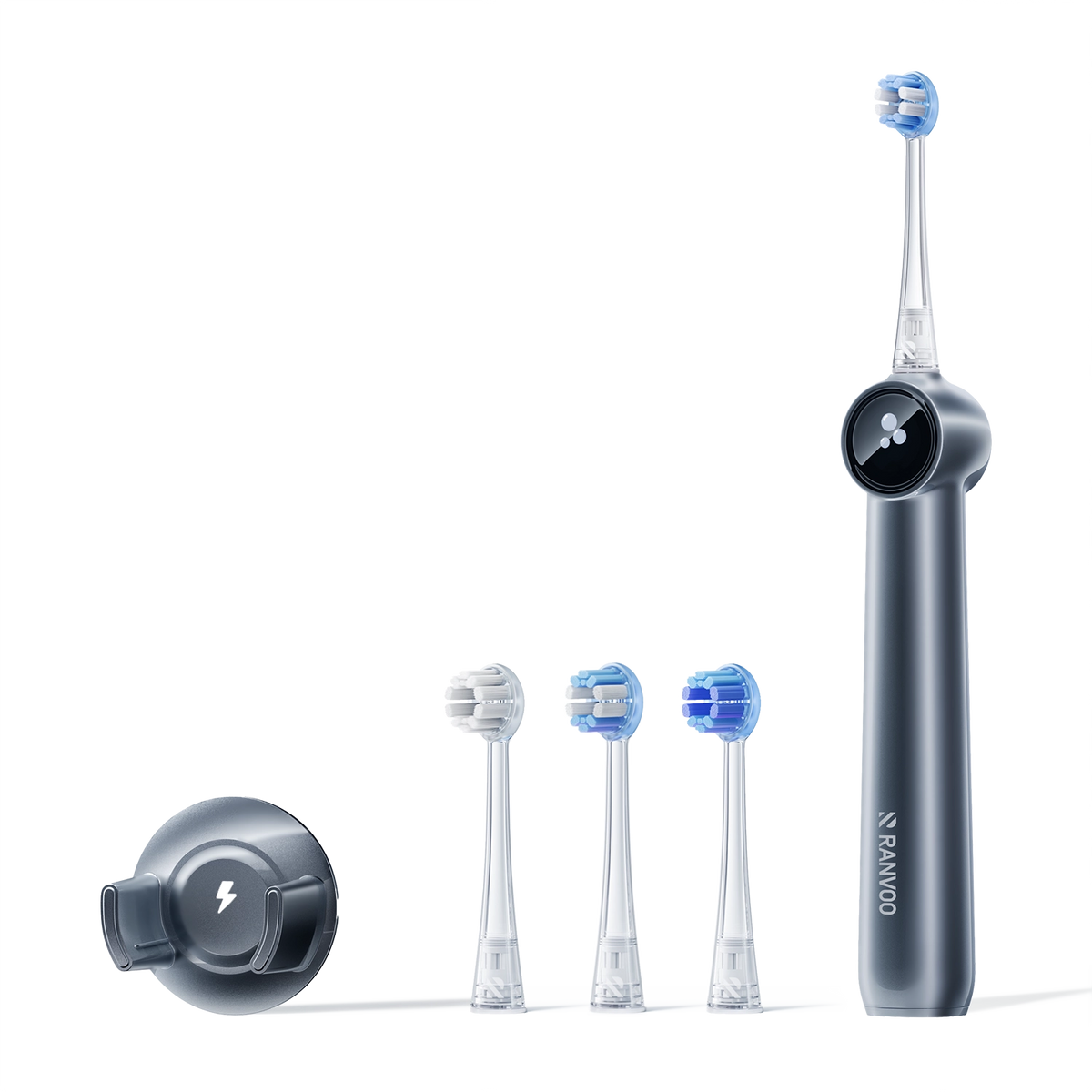
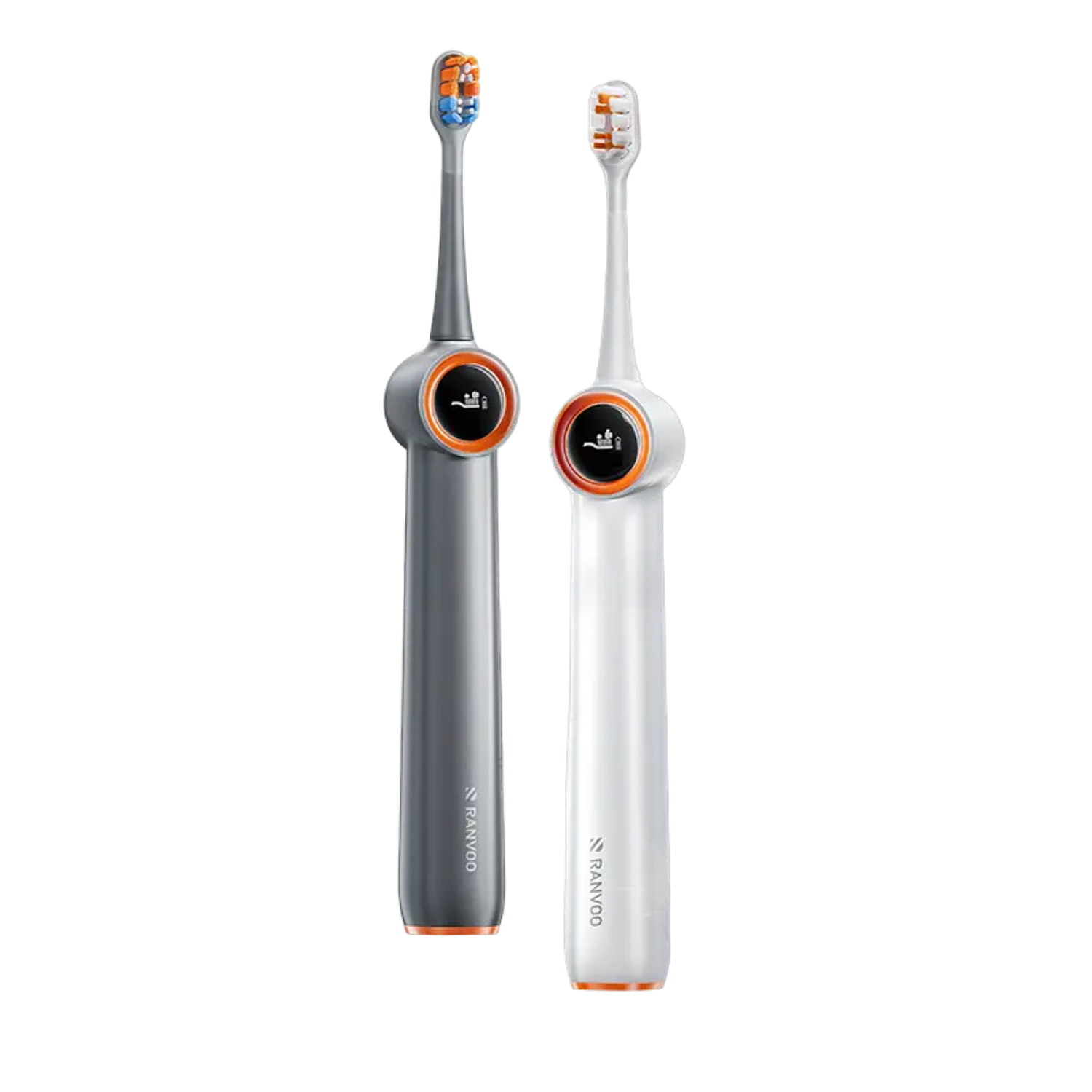
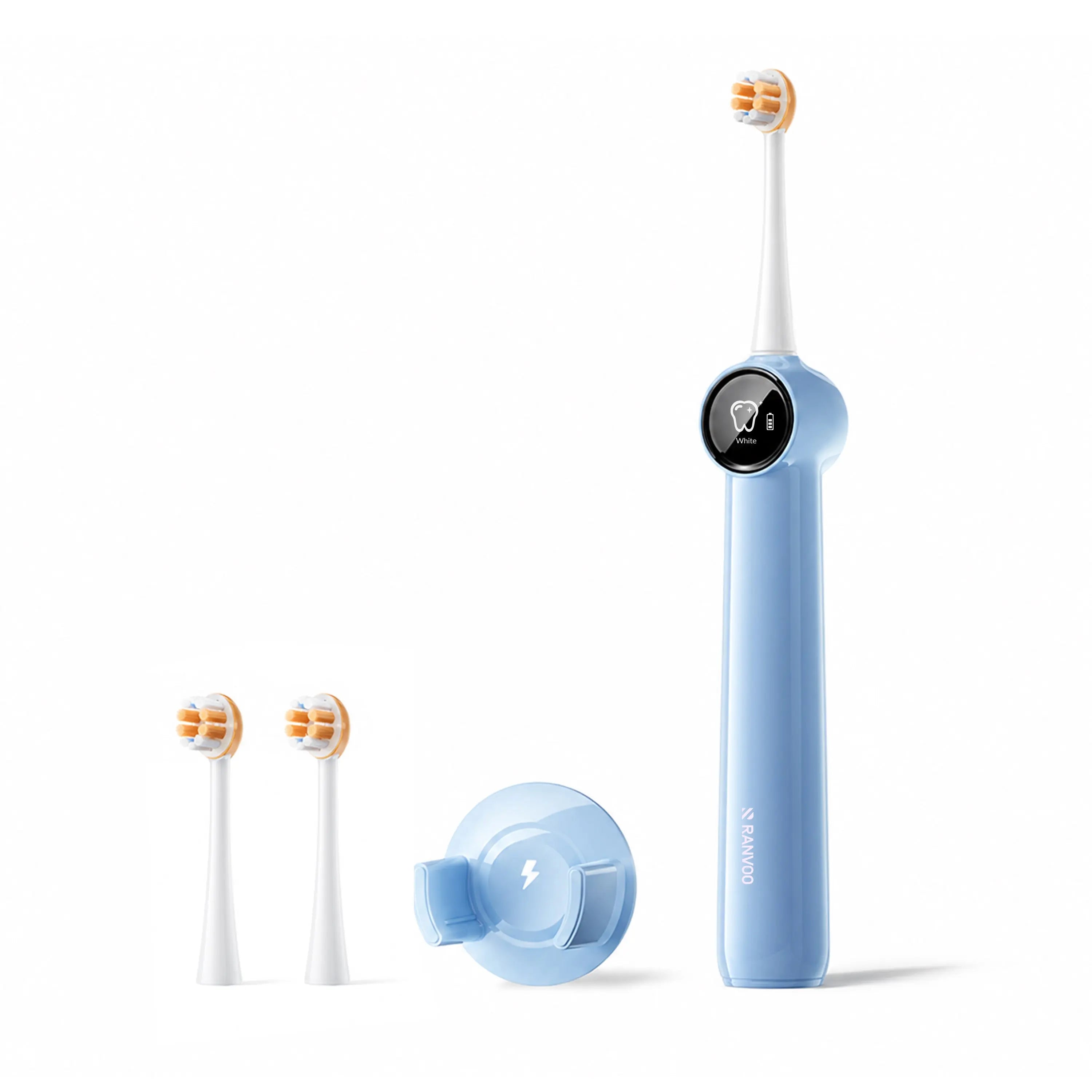
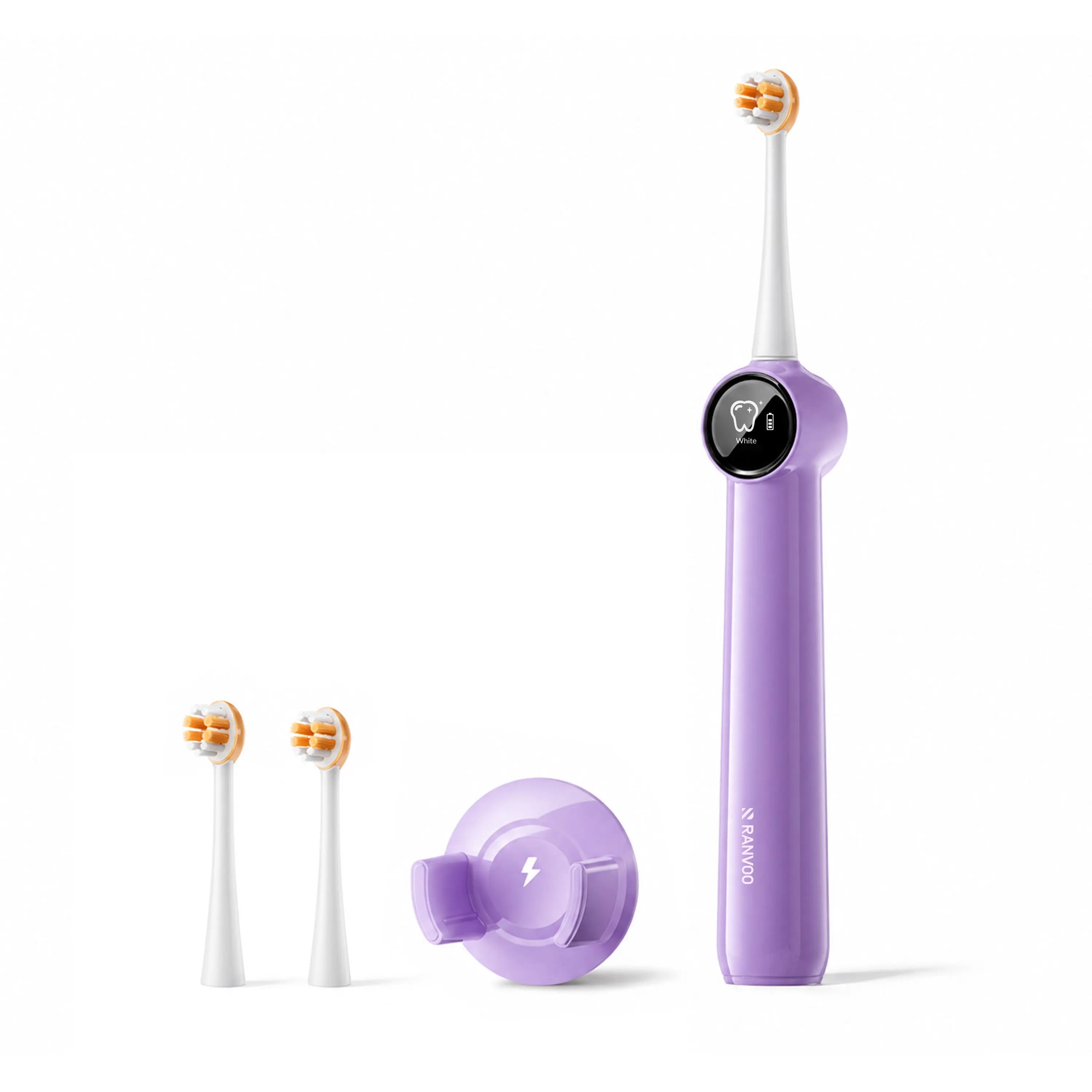
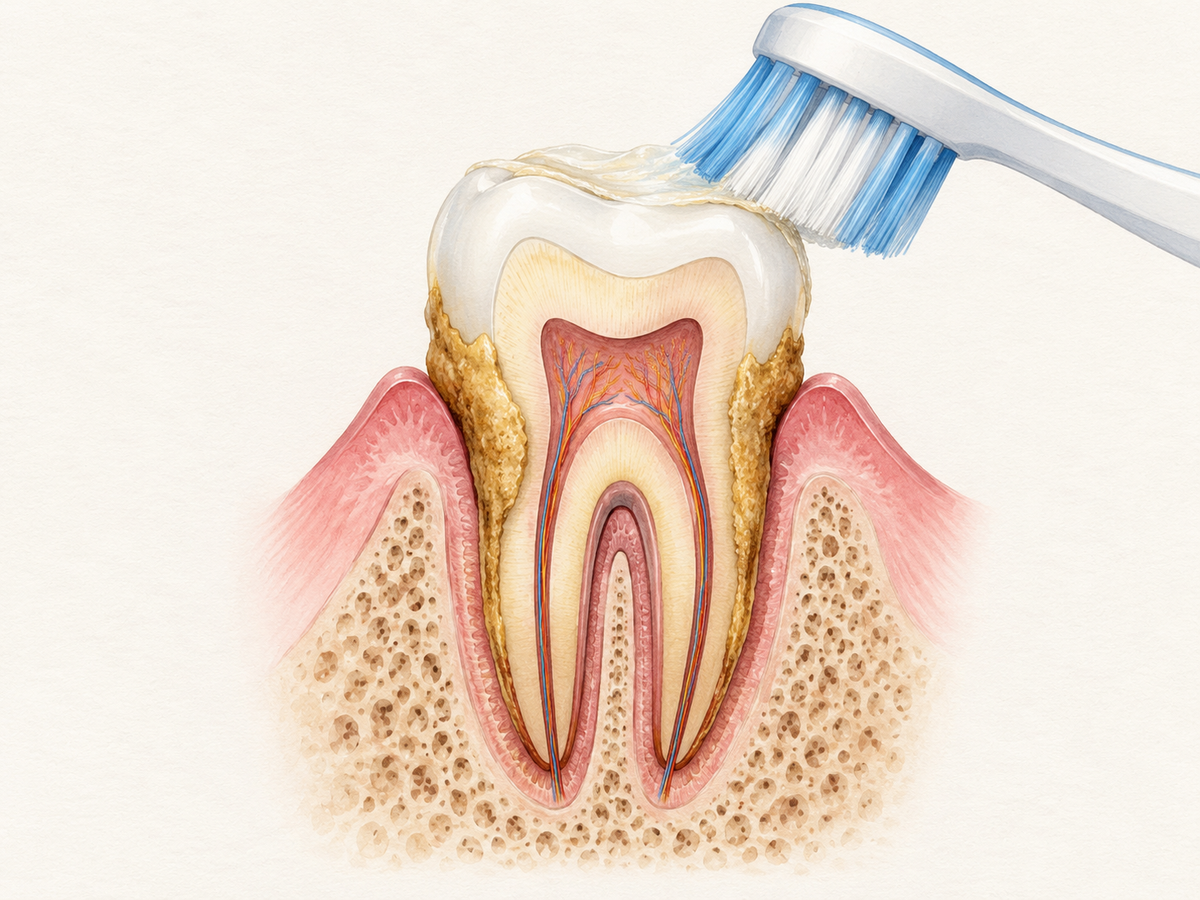
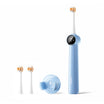
- Integralo in una routine completa di igiene orale. La pulizia della lingua è solo un pezzo del puzzle. Per rendere la tua routine quotidiana ancora più efficace, considera di abbinare la pulizia della lingua a un spazzolino elettrico. Il movimento costante e ad alta velocità delle setole aiuta a rimuovere placca e batteri dai denti e lungo il bordo gengivale in modo molto più completo rispetto allo spazzolino manuale, completando la freschezza che si ottiene da una lingua pulita.
Una meta-analisi di studi clinici randomizzati ha confermato che lo spazzolamento dei denti più la pulizia della lingua riducono significativamente sia l'alitosi che il rivestimento della lingua rispetto al solo spazzolamento. Quindi pensalo come un uno-due: raschia per affrontare la lingua e spazzola (idealmente con uno spazzolino elettrico) per mantenere il resto della bocca ugualmente lucido.
Errori comuni che rovinano la routine
Anche uno strumento semplice può essere usato male. Fai attenzione a queste insidie e correggile subito:
- Raschiare troppo forte. Se la lingua è sensibile o sanguina leggermente, riduci immediatamente la pressione. Una pressione delicata è sufficiente.
- Saltare la parte posteriore della lingua. Il terzo posteriore ospita la più alta concentrazione di batteri anaerobici. Se pulisci solo la punta, l'alito cattivo tornerà entro poche ore. Ogni settimana, spingiti un po' più indietro.
- Usare uno spazzolino da denti invece. Anche se spazzolare la lingua è meglio di niente, studi specifici mostrano che un raschietto per la lingua supera lo spazzolino. Rimuove più rivestimento e riduce i livelli di VSC in modo più drastico. Investi nello strumento giusto.
- Andare avanti e indietro. Ricorda: un'unica passata liscia verso la parte anteriore. I movimenti avanti e indietro spalmano solo i batteri.
- Dimenticare di risciacquare tra una passata e l'altra. Un raschietto ricoperto rimette solo i detriti in posizione. Risciacqua ogni singola volta sotto acqua corrente.
- Raschiare subito dopo un pasto. Alimenti e bevande acidi ammorbidiscono temporaneamente il tessuto della lingua. Aspetta almeno 30 minuti per evitare irritazioni.
Rendilo un'abitudine quotidiana
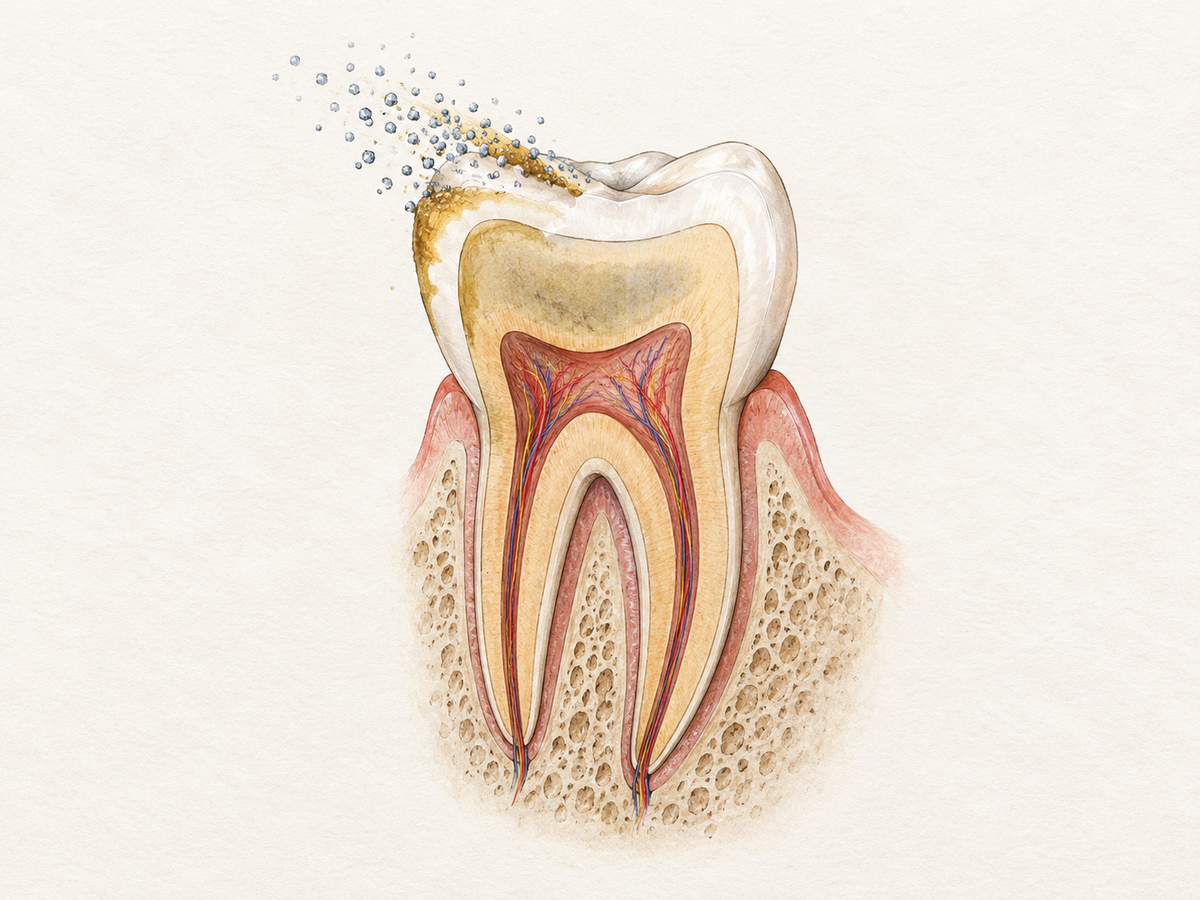
La raschiatura della lingua non è un compito occasionale di pulizia profonda — è un rituale mattutino di 10 secondi che ripaga per tutto il giorno. Quando senti la lingua liscia e pulita, noterai subito un alito più fresco e una sensazione di gusto più brillante. Per una pulizia ancora più completa, uno spazzolino elettrico sonico offre migliaia di colpi di spazzola al minuto, aiutando a rimuovere la placca e prevenire le malattie gengivali così tutta la bocca si sente rivitalizzata come la lingua. Abbina questo duo al filo interdentale e a un risciacquo al fluoro, e hai costruito una routine di cura orale che non maschera solo l'alito cattivo — ne elimina la causa principale.
Inizia domani mattina. Tira fuori la lingua, posiziona il raschietto in fondo e senti quanto può stare meglio la tua bocca.

Questo articolo è stato revisionato da un professionista del settore per garantirne l'accuratezza. Ha scopo puramente informativo ed educativo e non deve sostituire il parere medico, la diagnosi o il trattamento personalizzati. In caso di domande o dubbi sulla propria salute orale, si prega di consultare un dentista, un medico o un altro professionista sanitario qualificato.