
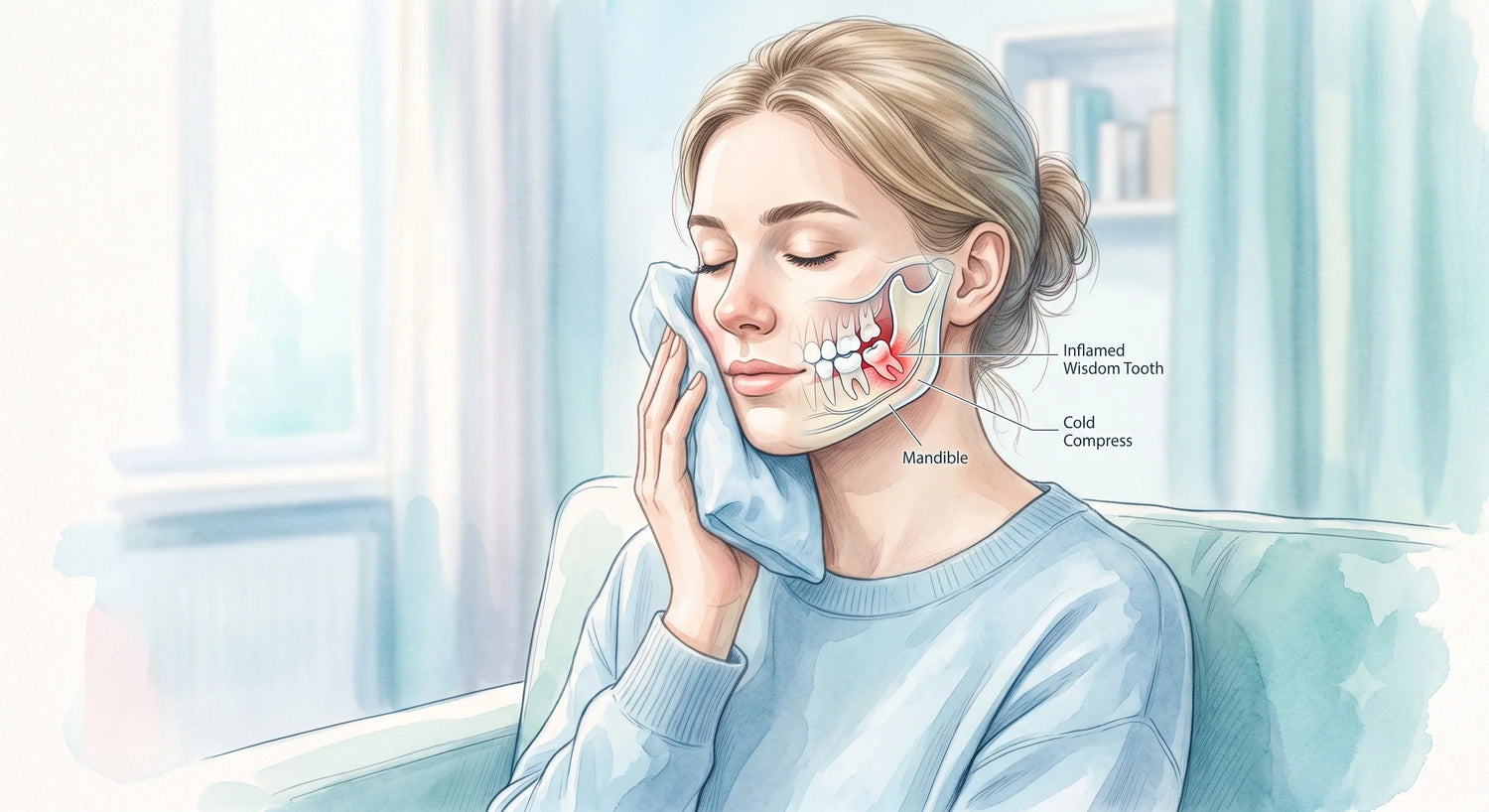
In sintesi: Il dolore pulsante di un dente del giudizio è di solito causato da infiammazione o infezione intorno a un dente parzialmente erotto. Inizia con un impacco freddo e risciacqui con acqua salata per calmare la zona. L'ibuprofene da banco ibuprofene è il tuo miglior antidolorifico di prima linea perché affronta sia il dolore che il gonfiore. L'olio di chiodi di garofano può offrire un intorpidimento temporaneo, ma non mettere mai l'aspirina direttamente sulla gengiva. Se hai febbre, gonfiore che si diffonde, difficoltà a deglutire o dolore che dura più di qualche giorno, smetti di curarti da solo e consulta un dentista—è la strada per un sollievo reale e duraturo.
Sollievo immediato: Come calmare la pulsazione adesso
Quando il dolore del dente del giudizio colpisce, raramente è lieve. Il dolore può irradiarsi all'orecchio, irrigidire la mascella e impedirti di dormire. Anche se nulla di ciò che fai a casa risolverà la causa principale—un dente in eruzione, incluso o infetto—alcuni passaggi ad azione rapida possono attenuare il dolore abbastanza a lungo da superare la notte o tenerti fino a un appuntamento dal dentista.
Applica un impacco freddo. Avvolgi un impacco di ghiaccio (o un sacchetto di piselli congelati) in un panno sottile e tienilo contro l'esterno della guancia per 15–20 minuti alla volta. Il freddo restringe i vasi sanguigni, il che intorpidisce la zona e riduce il gonfiore. Ripeti ogni paio d'ore. Questo è il modo più sicuro e senza farmaci per silenziare rapidamente la pulsazione acuta.
Risciacqua con acqua salata tiepida. Mescola mezzo cucchiaino di sale in una tazza di acqua tiepida finché non si scioglie, poi sciacqua delicatamente la zona dolorante per 30 secondi prima di sputare. Il calore lenisce le gengive infiammate, mentre il sale aiuta a rimuovere particelle di cibo e batteri che irritano il lembo gengivale gonfio. Non risciacquare con forza—uno sciacquo vigoroso può peggiorare le cose irritando ulteriormente il tessuto.

Questi due metodi sono le tue misure di emergenza. Riducono l'intensità del dolore, ma non curano un'infezione né riposizionano un dente. Usali mentre prepari la prossima linea di difesa.
Rimedi casalinghi che funzionano davvero (e uno che brucia)
Quando non puoi raggiungere una farmacia, la tua cucina potrebbe contenere alcuni aiutanti supportati da prove scientifiche. La chiave è sapere quali funzionano e quali credenze popolari ti porteranno solo più dolore.
Olio di chiodi di garofano (eugenolo) è l'analgesico dentale naturale più studiato. Una revisione sistematica del 2025 sugli agenti fitoterapici ha confermato che l'eugenolo, il composto attivo dell'olio di chiodi di garofano, fornisce un vero intorpidimento ed effetti antimicrobici per mal di denti e pulpiti. Per usarlo in sicurezza, mescola una goccia di olio di chiodi di garofano alimentare con alcune gocce di un olio vettore come olio d'oliva o di cocco. Immergi un batuffolo di cotone nella miscela e tampona delicatamente la gengiva dolorante—non versare mai olio puro direttamente sul tessuto crudo e non ingoiarlo. Il sollievo è temporaneo, ma può essere notevolmente efficace mentre aspetti che l'ibuprofene faccia effetto.
Risciacquo con perossido di idrogeno diluito può aiutare a disinfettare la tasca intorno al lembo gengivale se hai a che fare con una pericoronite precoce. Mescola parti uguali di perossido di idrogeno al 3% e acqua, sciacqua delicatamente per 30 secondi, poi sputa. Fallo non più di due volte al giorno e non ingoiarlo mai. Questo risciacquo può ridurre il carico batterico che alimenta l'infiammazione.
Sfatando il mito dell'aspirina sulla gengiva. Un trucco fai-da-te pericoloso circola ancora online: mettere una compressa di aspirina schiacciata direttamente sulla gengiva dolorante. Non farlo. L'aspirina è acida e può causare un'ustione chimica sul delicato tessuto orale, trasformando un mal di denti gestibile in una ferita bruciante in aggiunta al dolore che già hai. L'aspirina funziona solo se ingerita—non applicarla mai topicamente.
Altri rimedi da cucina come paste di zenzero o curcuma mancano di prove forti per il dolore dentale acuto e possono introdurre particelle irritanti. Attieniti alle opzioni comprovate e se il dolore non si attenua entro un giorno, sappi che i rimedi naturali non sostituiscono il trattamento della causa.
Antidolorifici da banco: Cosa prendere e perché
Quando sei nel corridoio della farmacia, la scelta conta. Per la maggior parte del dolore da dente del giudizio, ibuprofene (nomi commerciali Advil, Motrin) è l'arma più forte senza prescrizione che hai.
L'ibuprofene è un farmaco antinfiammatorio non steroideo (FANS). Il dolore del dente del giudizio è causato in gran parte da infiammazione—il tessuto gengivale si gonfia, preme sui nervi e provoca un dolore pulsante. L'ibuprofene riduce direttamente quella risposta infiammatoria, non solo la sensazione di dolore. Dura anche da quattro a sei ore per la maggior parte delle persone, dando una finestra di sollievo decente.
Se non puoi prendere l'ibuprofene (a causa di problemi di stomaco, gravidanza o altre controindicazioni), l'acetaminofene (Tylenol) può aiutare, ma non combatte l'infiammazione. Per il dolore intenso, la terapia combinata può fare la differenza. Un ampio studio clinico randomizzato del 2024 ha rilevato che l'assunzione di 400 mg di ibuprofene insieme a 500 mg di acetaminofene forniva un sollievo dal dolore significativamente migliore dopo l'estrazione del dente del giudizio rispetto all'assunzione di un oppioide, e in nessun momento l'oppioide su prescrizione ha superato la combinazione da banco. Anche se non dovresti mai superare la dose massima giornaliera raccomandata di nessuno dei due farmaci, molti chirurghi orali ora raccomandano di alternare o combinare i due sotto la guida di un dentista per il dolore grave che l'ibuprofene da solo non può gestire.
- Ibuprofene 200–400 mg ogni 4–6 ore (max 1200 mg al giorno a meno che un medico non dica altrimenti) riduce sia il dolore che il gonfiore.
- Acetaminofene 500–1000 mg ogni 6 ore (max 3000–4000 mg al giorno) può essere aggiunto se necessario, ma fai attenzione all'assunzione giornaliera totale.
- Gel topici alla benzocaina (come Orajel) possono intorpidire temporaneamente la superficie gengivale, ma il loro effetto è di breve durata e non possono raggiungere la fonte profonda del dolore.
Ricorda: questi antidolorifici mascherano i sintomi. Se sei ancora in agonia dopo due o tre giorni di uso regolare da banco, il problema di fondo non si risolverà da solo.

Quando Smettere di Autocurarsi e Consultare un Dentista
Questa è la domanda che ti tiene sveglio la notte: "È questo dolore da eruzione normale, o sono in veri guai?" La risposta sta in alcune bandiere rosse chiare che segnalano un'infezione o un inclusione che richiede un trattamento professionale.
Dolore da eruzione normale sembra pressione, lieve pulsazione e tenerezza intorno alla parte posteriore della mascella per alcuni giorni mentre il dente spinge fuori. Di solito risponde a ibuprofene e risciacqui con acqua salata.
La pericoronite è quando il lembo gengivale (il opercolo) sopra un dente del giudizio parzialmente erotto intrappola cibo e batteri, diventando infiammato o infetto. Il dolore aumenta, il gonfiore può estendersi alla guancia e potresti sentire un fluido metallico o acido. In questa fase, un dentista può pulire a fondo sotto il lembo, prescrivere risciacqui antimicrobici e talvolta antibiotici. Se l'infezione si ripresenta, il dente probabilmente deve essere rimosso.
Prenota una visita dal dentista immediatamente se manifesti uno di questi segnali di allarme non negoziabili: - Gonfiore che si diffonde al collo, all'occhio o al pavimento della bocca. - Febbre superiore a 100.4°F (38°C) o brividi. - Difficoltà a deglutire o respirare—questo può segnalare un'infezione profonda dello spazio che può diventare pericolosa per la vita. - Trisma così grave da non riuscire ad aprire la bocca più della larghezza di un polpastrello. - Dolore che persiste oltre tre o quattro giorni nonostante l'assunzione regolare di farmaci da banco.
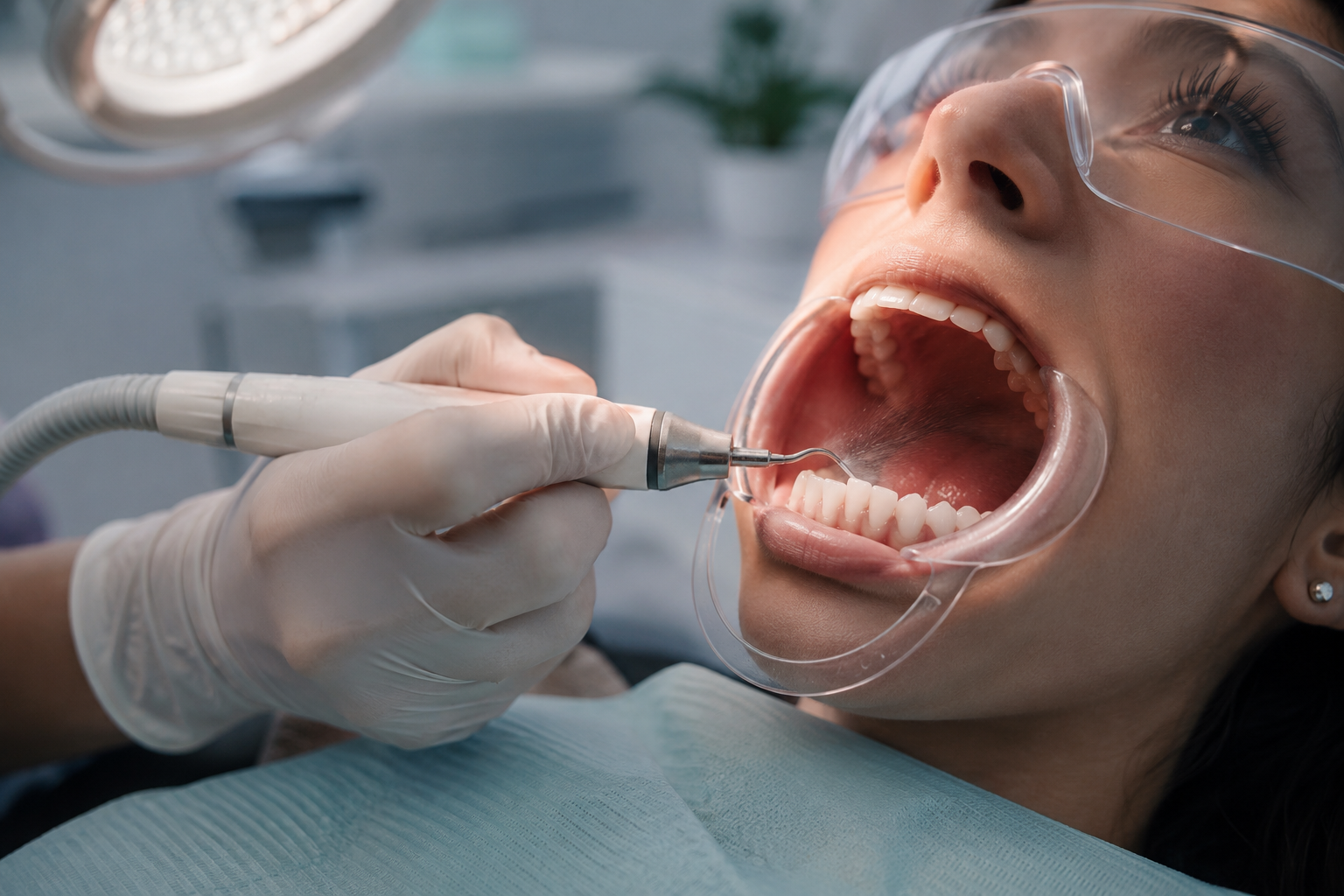
Andare dal dentista non è un fallimento: è l'unico modo per ottenere un sollievo definitivo. Un semplice esame e una radiografia possono rivelare se il dente è incluso e come è posizionato. Se si raccomanda l'estrazione, il dentista o il chirurgo orale ti guiderà attraverso la procedura e la cura post-operatoria. Dopo un'estrazione, l'uso di uno spazzolino elettrico sonicocon una testina morbida può aiutarti a pulire delicatamente il resto della bocca mantenendo indisturbato l'alveolo in guarigione.
Errori che peggiorano il dolore del dente del giudizio
Nella confusione del dolore, molte persone prolungano inavvertitamente la propria sofferenza con abitudini ben intenzionate. Questi semplici consigli su cosa fare e cosa non fare possono proteggere l'area irritata mentre aspetti cure professionali.
Non dormire completamente disteso. Tieni la testa sollevata con un cuscino in più per ridurre il flusso sanguigno nell'area, il che aiuta a calmare il pulsare e il gonfiore durante la notte. Stare distesi permette ai liquidi di accumularsi e alla pressione di aumentare.
Evita bevande calde e cibi bollenti. Il calore aumenta la circolazione sanguigna e può intensificare il pulsare. Attieniti a liquidi freddi o tiepidi e cibi morbidi come yogurt, salsa di mele e frullati (ma evita la cannuccia: la suzione può dislocare un eventuale coagulo se è già stata fatta o sarà presto fatta un'estrazione).
Non sciacquare energicamente né toccare l'area. Sciacqui aggressivi o l'uso di oggetti appuntiti per "pulire" la tasca gengivale possono lacerare il tessuto delicato e spingere i detriti più in profondità. Un delicato sciacquo con acqua salata è più che sufficiente.
Mantieni pulita l'area senza traumatizzarla. Passare a uno spazzolino elettrico può aiutare a rimuovere i detriti attorno al lembo gengivale sensibile senza bisogno di spazzolamento manuale aggressivo, permettendoti di mantenere l'igiene orale con meno pressione sulle gengive sensibili. Se hai un idropulsore, usa l'impostazione più bassa per irrigare delicatamente l'area, ma fermati se fa male.
- Da fare: Mangia cibi freddi e morbidi; applica impacchi freddi nelle prime 24–48 ore; prendi gli antidolorifici con regolarità invece di aspettare che il dolore raggiunga il picco.
- Da non fare: Usare olio di chiodi di garofano non diluito; mettere l'aspirina direttamente sulla gengiva; consumare alcol o fumare (che ritardano la guarigione e irritano i tessuti); ignorare sintomi in peggioramento.
Il dolore del dente del giudizio può sembrare totalizzante, ma avere chiarezza su ciò a cui stai facendo fronte—e su cosa non fare—ti dà il controllo. I rimedi casalinghi e i farmaci da banco sono ponti, non destinazioni. Se il tuo dente continua a gridare dopo alcuni giorni di cure a casa, lo strumento antidolorifico più efficace al mondo è la poltrona del dentista.





Commenta
Questo sito è protetto da hCaptcha e applica le Norme sulla privacy e i Termini di servizio di hCaptcha.