


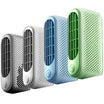






La risposta breve: Un condizionatore d'aria indossabile è un dispositivo da indossare sul corpo che migliora il comfort personale tramite flusso d'aria, freddo immagazzinato o trasferimento di calore attivo senza raffreddare un'intera stanza.
L'espressione condizionatore d'aria indossabile copre prodotti che sembrano e funzionano in modo molto diverso. Un ventilatore personale indossabile leggero può dirigere l'aria sotto una camicia. Un dispositivo da collo può combinare il flusso d'aria con piastre di contatto fredde. Un giubbotto rinfrescante può coprire molto più del torso ma richiedere pacchetti di ghiaccio, un circuito d'acqua o hardware più pesante. Chiamarli tutti "AC indossabile" è conveniente per lo shopping, ma non ti dice quale risultato aspettarti.
Questa guida organizza la categoria per forma, meccanismo di raffreddamento e caso d'uso. Spiega anche perché il comfort locale, il raffreddamento della pelle e la protezione dal calore per tutto il corpo non sono risultati intercambiabili.
Cos'è un condizionatore d'aria indossabile?
Un condizionatore d'aria indossabile è un sistema di raffreddamento personale da indossare sul corpo. Invece di cambiare la temperatura di un'intera stanza, agisce su aria, vestiti o pelle vicini a una persona. A seconda del design, può:
-
muovere l'aria ambiente sulla pelle sudata;
-
ventilare il microclima all'interno dei vestiti;
-
assorbire il calore in ghiaccio o materiale a cambiamento di fase;
-
far circolare liquido raffreddato su parte del torso; o
-
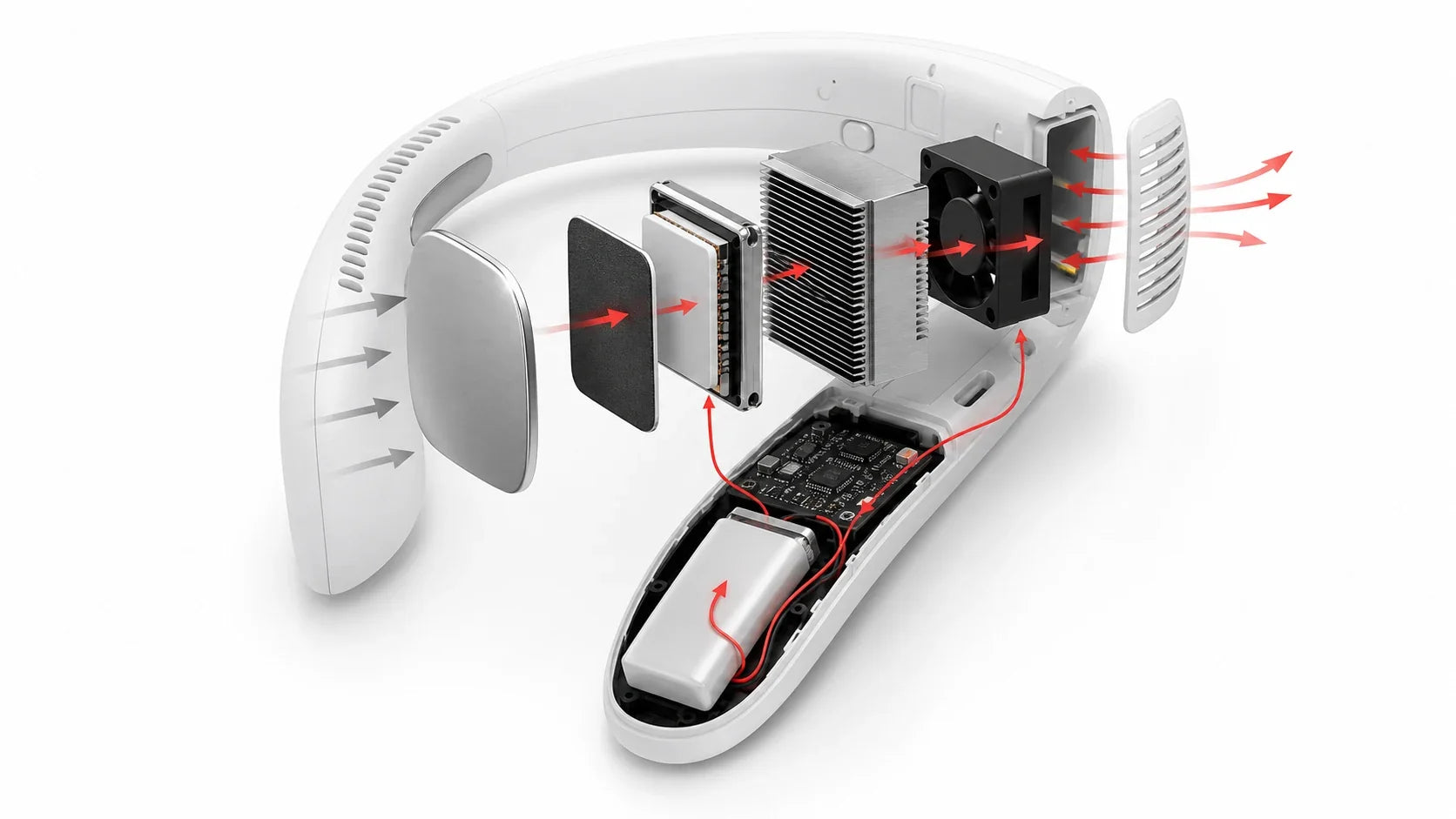
usare un modulo termoelettrico per creare una superficie di contatto fresca.
Non esiste una definizione unica per il consumatore che garantisca che un prodotto contenga un compressore, refrigerante o evaporatore. In molti elenchi, unità AC indossabile, climatizzatore indossabile e condizionatore d'aria portatile per il corpo sono termini generici piuttosto che descrizioni tecniche precise. Leggi la sezione sui meccanismi prima di confrontare le affermazioni.
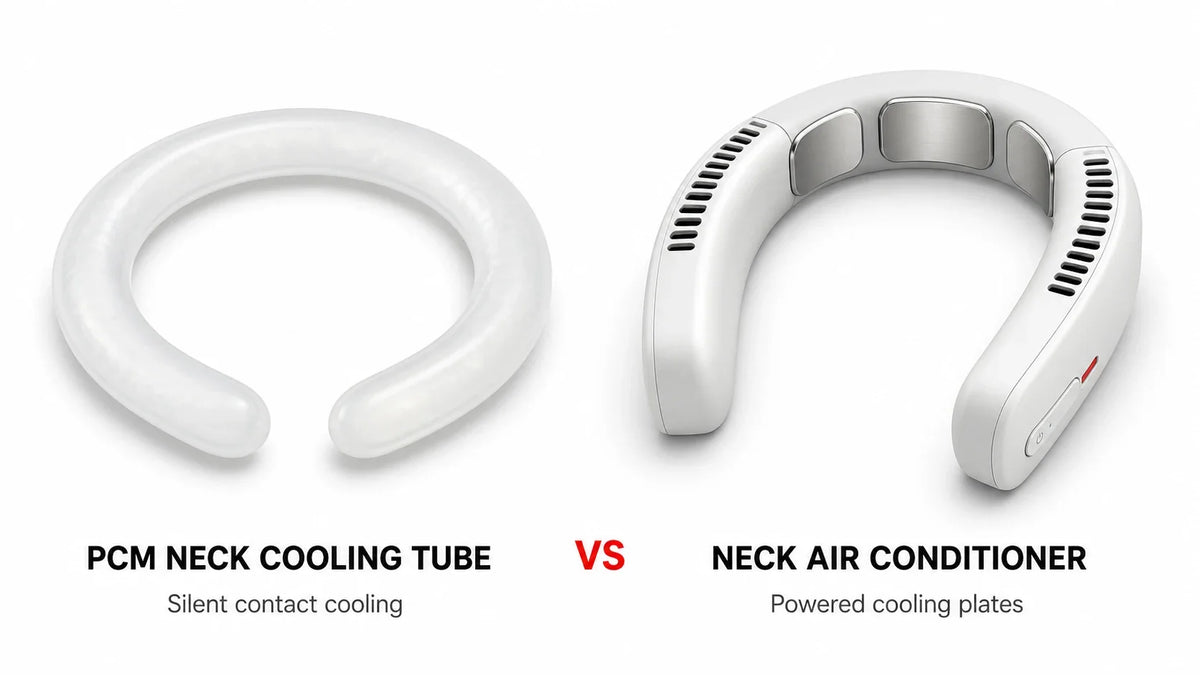
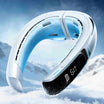
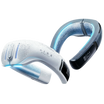
Questa distinzione è particolarmente importante per i prodotti da collo. Un ventilatore da collo solo ventola muove l'aria circostante. Un dispositivo da collo con raffreddamento attivo aggiunge una o più piastre termoelettriche che possono sentirsi più fredde della superficie circostante. Entrambi possono essere utili, ma non producono la stessa sensazione né consumano la stessa quantità di energia.
Cinque tipi comuni di raffreddamento personale indossabile
Il modo utile di classificare il raffreddamento indossabile è in base a dove si trova, quanta area copre e cosa deve portare l'utente.

| Tipo | Meccanismo tipico | Area di raffreddamento | Necessità di alimentazione o reset | Migliore uso iniziale | Limite principale |
|---|---|---|---|---|---|
| Ventilatore da collo o climatizzatore da collo | Flusso d'aria ambientale; alcuni modelli aggiungono piastre termoelettriche | Collo, mascella e parte inferiore del viso | Batteria ricaricabile | Pendolarismo, viaggi, lavoro alla scrivania e brevi periodi all'aperto | Copertura limitata; i modelli attivi aggiungono peso e richiedono più batteria |
| Ventilatore da vita o a clip | Aria ambientale spinta sotto o attraverso i vestiti | Area del torso raggiunta dal flusso d'aria | Batteria ricaricabile | Lavoro leggero, camminate e utenti che non vogliono peso sul collo | Le prestazioni dipendono fortemente dalle aperture dei vestiti e dal posizionamento del ventilatore |
| Maglietta o giacca con ventilatori | I ventilatori scambiano aria attraverso il microclima dell'indumento | Gran parte della parte superiore del corpo | Ventilatori alimentati a batteria | Lavoro all'aperto e attività in cui è accettabile un abbigliamento da lavoro | Ingombro, aspetto, gonfiore del tessuto, rumore e valore ridotto se i percorsi d'aria sono bloccati |
| Gilet rinfrescante | Ghiaccio, pacchetti a cambiamento di fase, evaporazione o liquido in circolazione | Ampia copertura del torso | Congelatore, acqua, pacchetti di ricambio, pompa o cavo a seconda del design | Recupero tra lavoro e riposo, uso di DPI e attività più lunghe ad alto calore sotto un piano di sicurezza | Più pesante, meno compattabile e richiede più manutenzione |
| Dispositivo da tasca, da schiena, patch o da polso a contatto | Raffreddamento locale termoelettrico o conduttivo | Piccolo punto di contatto con la pelle | Batteria ricaricabile o inserto pre-raffreddato | Comfort personale discreto e utenti che non amano i ventilatori | Copertura molto ridotta; la sensazione può essere più intensa dell'effetto misurabile su tutto il corpo |
1. Ventagli da collo e dispositivi di raffreddamento attivo da collo
I prodotti da collo si collocano a metà della categoria: più copertura di un dispositivo da polso a contatto, meno ingombro di un gilet, e nessuna necessità di tenere nulla in mano. I modelli solo ventola dirigono l'aria verso il collo e il viso. I modelli con raffreddamento attivo aggiungono piastre termoelettriche che toccano la parte posteriore o laterale del collo.
Questa combinazione rende il formato da collo una scelta pratica e mainstream per i pendolari e i viaggi. I compromessi sono il rumore vicino alle orecchie, la vestibilità, lo spazio per i capelli e la pressione esercitata da batteria e dissipatore di calore. Il raffreddamento attivo a contatto riduce anche l'autonomia rispetto all'uso della sola ventola.
2. Ventagli da vita e a clip
Un ventaglio da vita si aggancia a una cintura, al bordo dei pantaloni o a una tasca e spinge l'aria verso l'alto sotto la camicia. Poiché il dispositivo non poggia sul collo, può sembrare meno invasivo e può utilizzare un alloggiamento più grande per la ventola. Inoltre lascia le orecchie più libere per il traffico e la conversazione.
La camicia diventa parte del sistema di raffreddamento. Un orlo largo e un percorso aperto per il flusso d'aria possono distribuire l'aria sul busto, mentre una camicia attillata, strati infilati, una cintura dello zaino o un'aspirazione bloccata possono ridurre l'effetto. Questi prodotti sono ventagli indossabili portatili, non sistemi di aria refrigerata.
3. Giacche e camicie con ventola
L'abbigliamento con ventola posiziona uno o più ventilatori direttamente in un capo, creando un ricambio d'aria continuo all'interno del tessuto. Rispetto a una singola ventola a clip, il capo può distribuire il flusso d'aria su una superficie maggiore del busto. Studi umani su giacche con ventola hanno riportato miglioramenti nei risultati termici e percettivi in specifiche condizioni di test calde o umide, ma i risultati dipendono dall'ambiente, dal carico di lavoro, dall'abbigliamento e dal flusso della ventola.[4][5]
Questo formato ha più senso quando una giacca specializzata è compatibile con il compito. È meno attraente per un ristorante, una cabina aerea o un ufficio dove indumenti da lavoro gonfiati, cavi della batteria o rumore della ventola sarebbero scomodi.
4. Gilet rinfrescanti
"Gilet rinfrescante" descrive diversi sistemi. I gilet a impacchi di ghiaccio e a cambiamento di fase immagazzinano energia di raffreddamento prima dell'uso. I gilet evaporativi trattengono acqua e si affidano all'evaporazione. I capi a raffreddamento liquido fanno circolare acqua raffreddata attraverso tubi, a volte da un serbatoio portatile e a volte da una fonte stazionaria.
Il vantaggio è la copertura: un gilet può scambiare calore su una porzione più ampia del busto rispetto a un dispositivo da collo o polso. Gli svantaggi sono il peso, il tempo di ripristino, la condensa, la vestibilità sotto dispositivi di protezione e il carico pratico di zainetti, tubi o pompe. Il NIOSH nota che i sistemi di raffreddamento personale variano ampiamente in costo e manutenzione e che alcuni sono troppo pesanti, ingombranti o limitanti nei movimenti per un dato ambiente di lavoro.[1]
5. Raffreddatori a contatto da tasca, schiena, patch e polso
Questi dispositivi premono una piccola superficie fredda contro la pelle o si inseriscono in una tasca speciale vicino alla parte superiore della schiena. Sono discreti e possono creare una chiara sensazione locale senza muovere aria intorno al viso. I prototipi termoelettrici hanno dimostrato un raffreddamento continuo della superficie cutanea, supportando la fattibilità tecnica della termoregolazione localizzata indossabile.[3]
La copertura rimane la limitazione centrale. Un punto freddo al polso, alla parte superiore della schiena o al collo non significa automaticamente che l'intero corpo stia perdendo calore più velocemente. Tratta i dispositivi a contatto come strumenti di comfort mirati a meno che un prodotto specifico non sia stato valutato per un risultato fisiologico più ampio in condizioni rilevanti per il tuo utilizzo.
I tre modi principali in cui funziona il raffreddamento indossabile
Molti prodotti combinano tecnologie, ma il loro flusso di energia di solito segue una o più di tre vie.

1. Il movimento dell'aria supporta l'evaporazione e lo scambio di calore
Le ventole non creano aria fredda. Muovono l'aria ambiente sulla pelle o attraverso i vestiti. Questo movimento può sostituire lo strato limite caldo e umido vicino al corpo e aiutare il sudore a evaporare. Può anche aumentare il trasferimento di calore convettivo quando le condizioni lo consentono.
Le prestazioni dipendono dalla temperatura dell'aria, dall'umidità, dalla disponibilità di sudore, dall'abbigliamento e da dove va il flusso d'aria. Una velocità della ventola maggiore non è automaticamente migliore se l'aspirazione è bloccata, l'aria esce lontano dalla pelle o il motore è troppo vicino alle orecchie. L'abbigliamento con ventola può interessare un'area più ampia rispetto a una piccola ventola da collo, ma richiede che il capo trattenga e diriga l'aria in movimento.
2. Freddo immagazzinato o evaporazione assorbe calore per un tempo limitato
Ghiaccio, gel e materiali a cambiamento di fase assorbono calore mentre si riscaldano o cambiano fase. I tessuti evaporativi assorbono acqua e usano la sua evaporazione per sottrarre calore dal materiale e dalla pelle vicina. Questi sistemi possono funzionare senza un modulo di raffreddamento continuamente alimentato, anche se alcuni gilet ibridi aggiungono ventole.
Il compromesso è che la fonte di raffreddamento deve essere ripristinata. Gli impacchi di ghiaccio e a cambiamento di fase richiedono un congelatore, un frigorifero o un altro processo di ripristino. I capi evaporativi richiedono acqua e abbastanza flusso d'aria per l'evaporazione. Il comportamento del materiale a cambiamento di fase dipende anche dalla sua temperatura di transizione, massa, copertura e differenza di temperatura dal corpo.[7]
3. I sistemi alimentati allontanano il calore dall'area di contatto
I dispositivi termoelettrici usano l'effetto Peltier: la corrente elettrica rende un lato del modulo più freddo mentre l'altro lato diventa più caldo. Il lato freddo è rivolto verso la pelle. Il lato caldo ha bisogno di un dissipatore di calore e flusso d'aria, quindi il sistema completo include più della semplice piastra fredda visibile. Una maggiore differenza di temperatura e una maggiore area di contatto generalmente richiedono più potenza e più smaltimento del calore.
I capi a raffreddamento liquido usano una pompa per muovere il fluido attraverso i tubi. Il fluido assorbe il calore da chi lo indossa e lo trasporta a un serbatoio o a uno scambiatore di calore. Se il serbatoio contiene ghiaccio o acqua pre-raffreddata, il sistema dipende comunque dalla capacità di raffreddamento immagazzinata. I sistemi collegati possono funzionare più a lungo ma limitano la mobilità.
Per una spiegazione tecnica più approfondita del flusso di calore, dello smaltimento sul lato caldo e dell'efficienza, vedi come funziona un raffreddatore Peltier in un condizionatore da collo.
Cosa può effettivamente raffreddare un condizionatore indossabile?
La risposta dipende dal risultato che si misura.
| Risultato | Cosa significa | Quali sistemi possono influenzarlo | Cosa non dimostra |
|---|---|---|---|
| Sensazione di fresco | Chi lo indossa riferisce di sentirsi più fresco o più a suo agio | Tutti e cinque i tipi, a seconda della vestibilità e delle condizioni | Una riduzione della temperatura corporea interna |
| Temperatura cutanea locale | La temperatura scende in prossimità di una zona di contatto o di flusso d'aria | Piastre termoelettriche, indumenti a liquido, impacchi freddi e talvolta un forte flusso d'aria | Raffreddamento di tutto il corpo o prevenzione delle malattie da calore |
| Microclima dell'abbigliamento | L'aria o l'umidità all'interno del capo cambiano | Ventagli a clip, indumenti con ventola e giubbotti ventilati | La stanza stessa è diventata più fresca |
| Temperatura cutanea media o stress fisiologico da calore | Una risposta misurata più ampia secondo un protocollo definito | Alcuni giubbotti rinfrescanti, indumenti con ventola e sistemi a liquido in studi controllati | Lo stesso beneficio per ogni persona, compito o ambiente |
| Temperatura corporea interna | Temperatura corporea interna misurata con un metodo di ricerca o clinico appropriato | Alcuni sistemi a maggiore superficie in condizioni specifiche | Un'affermazione universale di prodotto di consumo |
La ricerca illustra perché questi risultati devono rimanere separati. Un giubbotto a raffreddamento a liquido di tipo da campo ha ridotto diverse misure di stress da calore durante uno studio controllato di camminata sotto indumenti protettivi.[6] Uno studio con giubbotto a cambiamento di fase che ha coinvolto infermieri ha rilevato un grande miglioramento del comfort percepito ma nessuna differenza nell'indice di stress fisiologico da calore misurato in base alla temperatura gastrointestinale.[8] Entrambi i risultati possono essere validi perché i dispositivi, le condizioni e i risultati erano diversi.
Il raffreddamento del collo può anche alterare la percezione senza garantire una temperatura interna più sicura. Ciò è utile per il comfort, ma crea un motivo di cautela: sentirsi più freschi non dovrebbe incoraggiare qualcuno a prolungare un'esposizione al calore non sicura.
Limite di sicurezza dal calore: Il NIOSH descrive lo stress da calore occupazionale come l'effetto combinato del calore ambientale, del calore metabolico, dell'abbigliamento e dei DPI. Il raffreddamento personale indossabile può essere un livello di un piano più ampio; non sostituisce i controlli tecnici, l'acclimatazione, l'idratazione, i programmi di lavoro-riposo, l'ombra, la supervisione o una procedura di risposta alle emergenze.[1][2]
Quale tipo di raffreddamento indossabile si adatta alla tua situazione?
Inizia dal compito e dall'ambiente, poi scegli il meccanismo. Una categoria di prodotto non dovrebbe imporre l'uso.

| Situazione | Migliore categoria di partenza | Perché | Controlla prima dell'acquisto |
|---|---|---|---|
| Pendolarismo con mezzi pubblici e a piedi | Ventilatore da collo o dispositivo a raffreddamento attivo per collo | Senza mani, compatto e utilizzabile con abbigliamento quotidiano | Bilanciamento del peso, rumore vicino all'orecchio, durata alle alte velocità e spazio per capelli |
| Viaggi aerei e visite turistiche | Ventilatore da collo leggero o piccolo dispositivo a contatto | Imballabile e facile da usare in modo intermittente | Documentazione sulla batteria, ingresso di ricarica, dimensioni imballate e regole della compagnia aerea |
| Ufficio condiviso o scrivania | Dispositivo da collo a basso rumore o raffreddatore a contatto discreto | Controllo personale senza cambiare il termostato | Rumore in modalità bassa, flusso d'aria vicino a documenti e comfort dopo un'ora |
| Lavori leggeri all'aperto | Dispositivo da collo, ventola da vita o abbigliamento ventilato | Flusso d'aria portatile con diverse opzioni di copertura | Umidità, esposizione al sole, compatibilità con l'abbigliamento, udito e interferenze con il lavoro |
| Lavoro pesante con DPI | Giubbotto o indumento refrigerante selezionato professionalmente | Copertura più ampia e potenziale integrazione con il recupero lavoro-riposo | Revisione del responsabile della sicurezza, compatibilità con DPI, ritmo di lavoro, limiti ambientali e manutenzione |
| Lavoro stazionario ad alto calore | Indumento a raffreddamento liquido o ad aria fornita dove appropriato | Un raffreddamento continuo più forte può giustificare un collegamento | Percorso dei tubi, limiti di mobilità, rischi di inciampo e affidabilità della fonte |
| Ingombro minimo e utilizzo discreto | Dispositivo di raffreddamento a contatto per polso, patch, tasca o schiena | Piccolo, silenzioso e discreto | Area di contatto, comfort della pelle e aspettative realistiche di raffreddamento locale, non di tutto il corpo |

Portabilità per pendolarismo e uso quotidiano
Per la maggior parte dei consumatori, un climatizzatore indossabile da collo offre il miglior equilibrio tra portabilità ed effetto percepibile. Funziona con abbigliamento normale, rimane con chi lo indossa e può combinare flusso d'aria e raffreddamento a contatto. Un ventilatore da vita può essere più leggero sul collo, ma dipende di più dalla vestibilità della camicia. Un gilet offre una copertura maggiore ma è più difficile da impacchettare e resettare.
Se hai già deciso per il formato da collo, usa la guida ai migliori ventilatori da collo per confrontare le opzioni con solo ventola e con raffreddamento attivo in base a vestibilità, peso, rumore e durata della batteria per modalità.
Viaggio
Dai priorità a dimensioni compatte da imballo, controlli semplici, ricarica USB e informazioni sulla batteria. Un grande gilet refrigerante può essere utile a destinazione ma scomodo ai controlli di sicurezza, in aereo o quando non c'è un congelatore disponibile. Un dispositivo termoelettrico richiede un piano di ricarica affidabile; un sistema a ghiaccio o a cambiamento di fase richiede un piano di reset affidabile.
Non dare per scontato che un prodotto sia consentito solo perché è piccolo. Controlla le attuali normative di compagnie aeree, ferrovie, locali e destinazione per batterie, liquidi e apparecchiature elettriche.
Lavoro e indumenti protettivi
I dispositivi di comfort per i consumatori e i controlli del calore sul posto di lavoro non sono intercambiabili. Per lavori in ambienti caldi, la selezione deve tenere conto del carico di lavoro metabolico, del calore radiante, dell'umidità, dei DPI richiesti, dell'acclimatamento e delle procedure di emergenza. Un dispositivo di raffreddamento può anche aggiungere peso, limitare i movimenti, impigliarsi in attrezzature o interferire con gli indumenti protettivi.
Il NIOSH identifica specificamente indumenti raffreddati ad acqua, indumenti raffreddati ad aria, gilet refrigeranti e sopraindumenti bagnati come sistemi di raffreddamento personali, sottolineando anche i loro limiti in ambienti di lavoro reali.[1] I datori di lavoro dovrebbero coinvolgere un professionista qualificato in materia di sicurezza e salute piuttosto che chiedere a un lavoratore di risolvere lo stress da calore con un gadget commerciale.
Per un confronto mirato su portabilità e copertura del torso, vedi climatizzatore da collo vs gilet refrigerante per il lavoro con caldo intenso.
Lista di controllo per l'acquisto: confronta simili con simili
Usa gli stessi campi per ogni prodotto, anche quando le forme sono diverse.
-
Meccanismo di raffreddamento: Muove aria ambiente, assorbe calore immagazzinato, evapora acqua, fa circolare liquido o usa raffreddamento a contatto termoelettrico?
-
Copertura effettiva: Quali aree di pelle o abbigliamento sono effettivamente influenzate? Non confrontare una piccola piastra fredda con un gilet intero come se coprissero la stessa area del corpo.
-
Condizioni operative: Quali temperatura, umidità, abbigliamento e livello di attività sono stati usati per qualsiasi affermazione sulle prestazioni?
-
Peso e distribuzione del carico: Registra il peso pronto all'uso, inclusi pacchi, acqua, batterie, cavi e pompe, non solo l'indumento vuoto.
-
Vestibilità e contatto: Controlla l'apertura del collo, le taglie del gilet, il contatto delle piastre, i punti di pressione, il percorso dei tubi e se capelli o vestiti bloccano il flusso d'aria.
-
Durata di funzionamento per modalità: Richiedi separatamente la durata di funzionamento per solo ventilazione, raffreddamento basso e raffreddamento massimo. Per i prodotti passivi, confronta la durata utile del raffreddamento e il tempo di ripristino.
-
Rumore e consapevolezza: Considera il tono del motore, la vicinanza alle orecchie, la conversazione, la consapevolezza del traffico e i requisiti uditivi sul posto di lavoro.
-
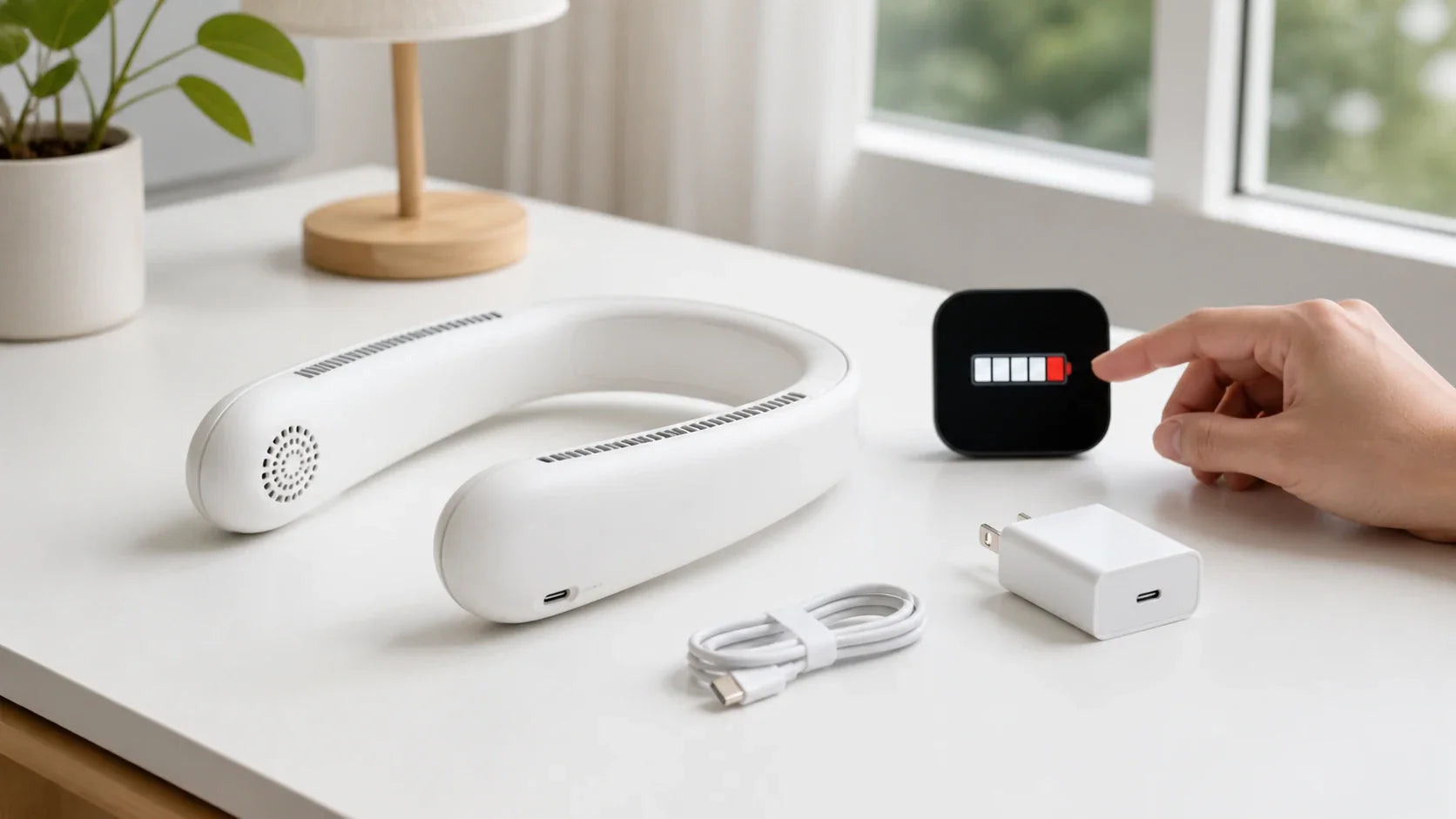
Logistica di ricarica o ripristino: Conferma l'ingresso di ricarica compatibile, la documentazione della batteria, la disponibilità di pacchi di ricambio, la temperatura del congelatore, l'approvvigionamento idrico o i requisiti di fissaggio.
-
Pulizia e umidità: Sudore, crema solare e polvere influiscono sulle superfici di contatto e sulle prese d'aria. Conferma cosa può essere pulito, rimosso o lavato e cosa deve rimanere asciutto.
-
Sicurezza, istruzioni e supporto: Cerca un produttore o venditore rintracciabile, chiari limiti operativi, termini di garanzia, indicazioni sulla batteria e istruzioni per interrompere l'uso se il dispositivo si surriscalda, perde o causa disagio alla pelle.
Non confrontare i valori BTU dei condizionatori d'ambiente con una piastra fredda indossabile. Un condizionatore d'ambiente rimuove calore e umidità da uno spazio chiuso attraverso un ciclo di refrigerazione. La maggior parte dei sistemi indossabili gestisce un microclima locale e dovrebbe essere confrontata utilizzando copertura, misurazioni sulla pelle o sull'aria, massa, potenza e durata.
Domande frequenti
Un condizionatore indossabile è un vero condizionatore d'aria?
Di solito non nel senso dei condizionatori d'ambiente. Il termine copre ventilatori indossabili, raffreddatori a contatto termoelettrici, indumenti ventilati e giubbotti refrigeranti. Alcuni pompano attivamente il calore; altri muovono solo aria ambiente o usano freddo immagazzinato. Controlla il meccanismo invece di affidarti al nome.
Un condizionatore indossabile può raffreddare tutto il corpo?
Alcuni indumenti e giubbotti interessano gran parte del busto e hanno migliorato i risultati fisiologici in studi specifici. I piccoli dispositivi per collo, polso e patch creano principalmente effetti locali. Nessun dispositivo indossabile dovrebbe essere considerato in grado di raffreddare tutto il corpo a meno che tale risultato non sia stato misurato in condizioni pertinenti.
Quale tipo consuma meno energia?
I prodotti passivi a ghiaccio e a cambiamento di fase non usano energia elettrica continua ma richiedono energia esterna per congelarli o ripristinarli. I dispositivi solo ventola generalmente richiedono meno energia di bordo rispetto ai sistemi termoelettrici. La durata effettiva dipende comunque dalla capacità della batteria, dalla velocità, dalla logica di controllo e dalle condizioni operative.
Un condizionatore da collo è migliore di un giubbotto refrigerante?
Di solito è più portatile e comodo per il pendolarismo o i viaggi. Un giubbotto offre una copertura più ampia e può essere più adatto per determinati ambienti di lavoro o di recupero, ma aggiunge massa e richiede requisiti di ripristino o circolazione. "Meglio" dipende dalla mobilità, dall'area di raffreddamento e dal piano di sicurezza.
I condizionatori indossabili funzionano con l'umidità?
L'umidità può ridurre l'evaporazione, influenzando i sistemi solo ventola ed evaporativi. Gli indumenti ventilati e i sistemi a contatto attivo possono ancora offrire benefici, ma la loro prestazione non è indipendente da vestibilità, temperatura ambiente, carico di lavoro o progettazione della dissipazione del calore. Usa prove da condizioni simili alle tue.
Posso usare un condizionatore indossabile per prevenire il colpo di calore?
Non affidarti a un dispositivo indossabile di consumo per prevenire o trattare malattie da calore. Per esposizione professionale, usa il programma di calore del datore di lavoro e la guida professionale. Se qualcuno sviluppa confusione, svenimento, grave debolezza o altri segni di malattia correlata al calore, interrompi l'esposizione e segui la procedura di emergenza applicabile.
In conclusione
Il miglior condizionatore indossabile è quello il cui meccanismo corrisponde al lavoro. Scegli un dispositivo da collo quando portabilità, abbigliamento quotidiano e comfort mirato di collo e viso contano di più. Scegli un ventilatore da vita o un indumento ventilato quando il flusso d'aria sotto i vestiti e una ventilazione più ampia contano. Scegli un giubbotto refrigerante adeguatamente selezionato quando la copertura del busto vale il peso aggiunto, il processo di ripristino o l'hardware di circolazione. Scegli un piccolo dispositivo a contatto quando la discrezione conta più della copertura.
Per la maggior parte delle situazioni di pendolarismo, viaggio e uso personale, un condizionatore da collo offre un buon equilibrio tra dimensioni e raffreddamento evidente. Confronta modelli solo ventola e termoelettrici su base uguale: area raffreddata, vestibilità, peso pronto all'uso, rumore, durata ad alta potenza e progettazione della dissipazione del calore.
Prossimo passo: Identifica dove hai bisogno di raffreddamento, per quanto tempo e cosa sei disposto a trasportare. Quindi confronta i condizionatori da collo RANVOO come opzioni portatili di raffreddamento personale—non come sostituti del condizionatore d'ambiente o di un programma di sicurezza dal calore.
Fonti
[2] NIOSH, Stress da calore e lavoratori; consultato il 10 agosto 2026.
[3] Hong et al. (2019), Termoelettrici indossabili per la termoregolazione personalizzata.