
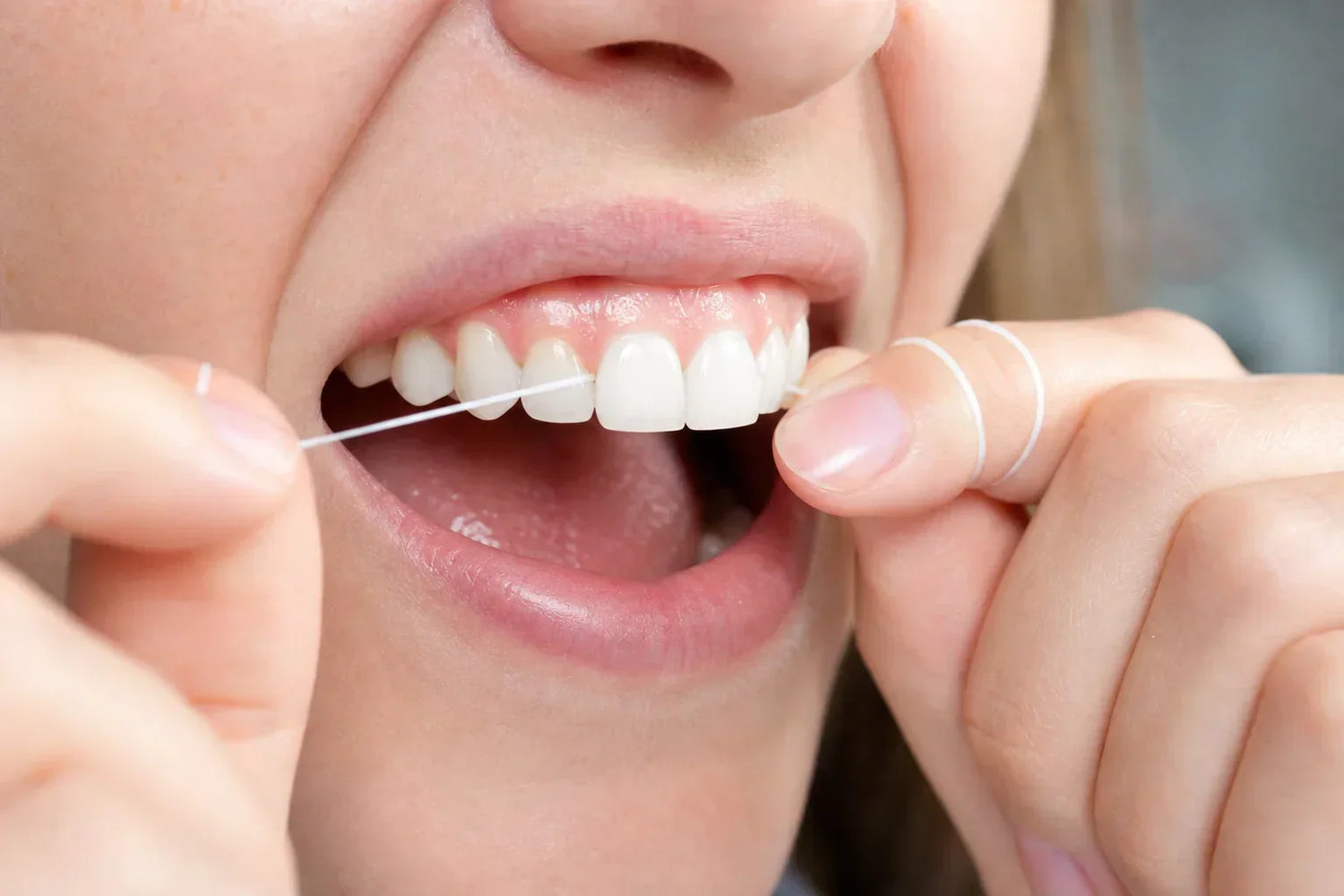
La risposta breve: i dentisti raccomandano di usare il filo interdentale una volta al giorno. Quel ritmo quotidiano interrompe il biofilm di placca dentale prima che possa indurirsi in tartaro e causare malattie gengivali. Il come conta tanto quanto la frequenza: la tecnica trasforma una buona intenzione in una protezione reale.

La risposta breve: una volta al giorno, tutti i giorni
Il consenso tra i professionisti del settore dentale è piacevolmente semplice. L'American Dental Association (ADA) e la stragrande maggioranza dei dentisti raccomandano di pulire tra i denti una volta ogni 24 ore — ed è proprio il tempo necessario alla placca per riorganizzarsi e maturare fino a causare infiammazione.
Una revisione Cochrane del 2019 che ha raccolto i dati di più studi ha rilevato che l'uso del filo interdentale, in aggiunta allo spazzolamento, riduce la gengivite rispetto al solo spazzolamento. La revisione ha osservato una piccola ma significativa riduzione della placca a uno e tre mesi. Sebbene le prove sulla prevenzione delle carie negli adulti siano più deboli — in gran parte perché gli studi a lungo termine sul filo interdentale sono difficili dal punto di vista etico e pratico — il razionale biologico è solidissimo: rimuovere la placca tra i denti previene sia la carie dentale sia la malattia parodontale.
Perché usare il filo interdentale ogni giorno non è negoziabile
Il tuo spazzolino è un eroe, ma lascia un vuoto. Il solo spazzolamento raggiunge solo circa il 60% delle superfici dei denti. L'altro 40% — gli spazi stretti tra i denti e appena sotto il margine gengivale — diventa un nascondiglio per la placca dentale, quella pellicola appiccicosa e incolore di batteri.
Quando la placca resta lì, succedono due cose: - Si indurisce in tartaro (calcolo), un deposito ruvido che solo una pulizia professionale può rimuovere - I batteri scatenano una risposta immunitaria che provoca gengive gonfie e sanguinanti, il primo segno di gengivite
Ignorarlo può far progredire la gengivite in parodontite, un'infezione cronica che distrugge l'osso che sostiene i denti. Il collegamento non si ferma alle gengive. Le ricerche collegano sempre più spesso le malattie gengivali non trattate a condizioni dell'intero organismo, come malattie cardiache e diabete.
Una vasta analisi dei dati sanitari nazionali ha persino rilevato che gli adulti che pulivano tra i denti più spesso avevano meno probabilità di avere la parodontite. In altre parole, l'abitudine di una volta al giorno fa più che salvare il sorriso: protegge la salute generale.
Abbinare l'uso quotidiano del filo interdentale a un accurato spazzolamento con uno spazzolino elettrico aiuta a rimuovere la placca e i residui staccati da tutte le superfici, riducendo il carico batterico totale che alimenta l'infiammazione.
Come usare correttamente il filo interdentale (non è uno schiocco)
La frequenza non serve a nulla se la tecnica è frettolosa. L'obiettivo non è far scattare il filo tra i denti; è raschiare il lato di ciascun dente, fino al margine gengivale. Ecco la procedura passo dopo passo approvata dai dentisti:
- Stacca circa 18 inches di filo interdentale. Avvolgine la maggior parte attorno a un dito medio e una piccola parte attorno all'altro, lasciando una sezione di lavoro di 1- to 2-inch.
- Fai scivolare delicatamente il filo tra i denti con un movimento avanti e indietro a sega. Non farlo scattare verso il basso: può traumatizzare la gengiva.
- Forma una “C” attorno a un dente. Curva il filo in modo che aderisca alla superficie del dente, poi fallo scorrere su e giù, andando leggermente sotto il margine gengivale, dove la placca ama nascondersi.
- Ripeti sull'altro dente adiacente. Svolgi una sezione pulita e forma una nuova C dall'altro lato dello stesso spazio.
- Procedi in tutta la bocca, davanti e dietro. Non saltare gli ultimi molari: sono spesso punti critici.

Se le gengive sanguinano: niente panico. Il sanguinamento è spesso un segno di infiammazione già presente, e un uso costante e delicato del filo interdentale per una o due settimane di solito lo risolve. Se il sanguinamento persiste per più di alcune settimane, consulta il dentista: potrebbe segnalare un problema sottostante.
Un consiglio bonus molto apprezzato dagli esperti: usa il filo interdentale prima di spazzolare. Quando usi prima il filo, sciogli particelle di cibo e placca, e poi uno spazzolino elettrico sonico può eliminare tutto, lasciando la bocca incredibilmente pulita e permettendo al dentifricio al fluoro di arrivare più in profondità tra i denti.
Gli strumenti per il filo interdentale, spiegati: qual è quello giusto per te?
“Usare il filo interdentale” è in realtà un'abbreviazione per la pulizia interdentale— e molti strumenti possono svolgere il lavoro. Il miglior strumento è quello che userai davvero ogni giorno.
- Filo interdentale classico (cerato, non cerato, PTFE): Collaudato e affidabile. Funziona meglio per denti con contatti stretti. Il filo cerato o in PTFE scorre più facilmente e si sfilaccia meno. Scegline uno con il sigillo di accettazione ADA per garantirne sicurezza ed efficacia.
- Fiocchetti di filo interdentale: Pratici in movimento, ma più difficili da usare per ottenere la perfetta forma a C. Vanno bene per una pulizia rapida, ma per il lavoro più accurato considera il filo classico a casa.
- Scovolini interdentali: Piccoli spazzolini riutilizzabili che si infilano tra i denti. Le ricerche mostrano che possono essere persino più efficaci del filo nel ridurre placca e infiammazione gengivale, soprattutto se hai spazi più ampi o recessione gengivale.
- Idropulsori: Un getto delicato d'acqua che elimina residui e placca. Ideali se hai apparecchi, ponti, impianti o problemi di manualità. Gli studi clinici rilevano che sono paragonabili al filo interdentale nel ridurre la gengivite e più facili da usare con costanza per molte persone.
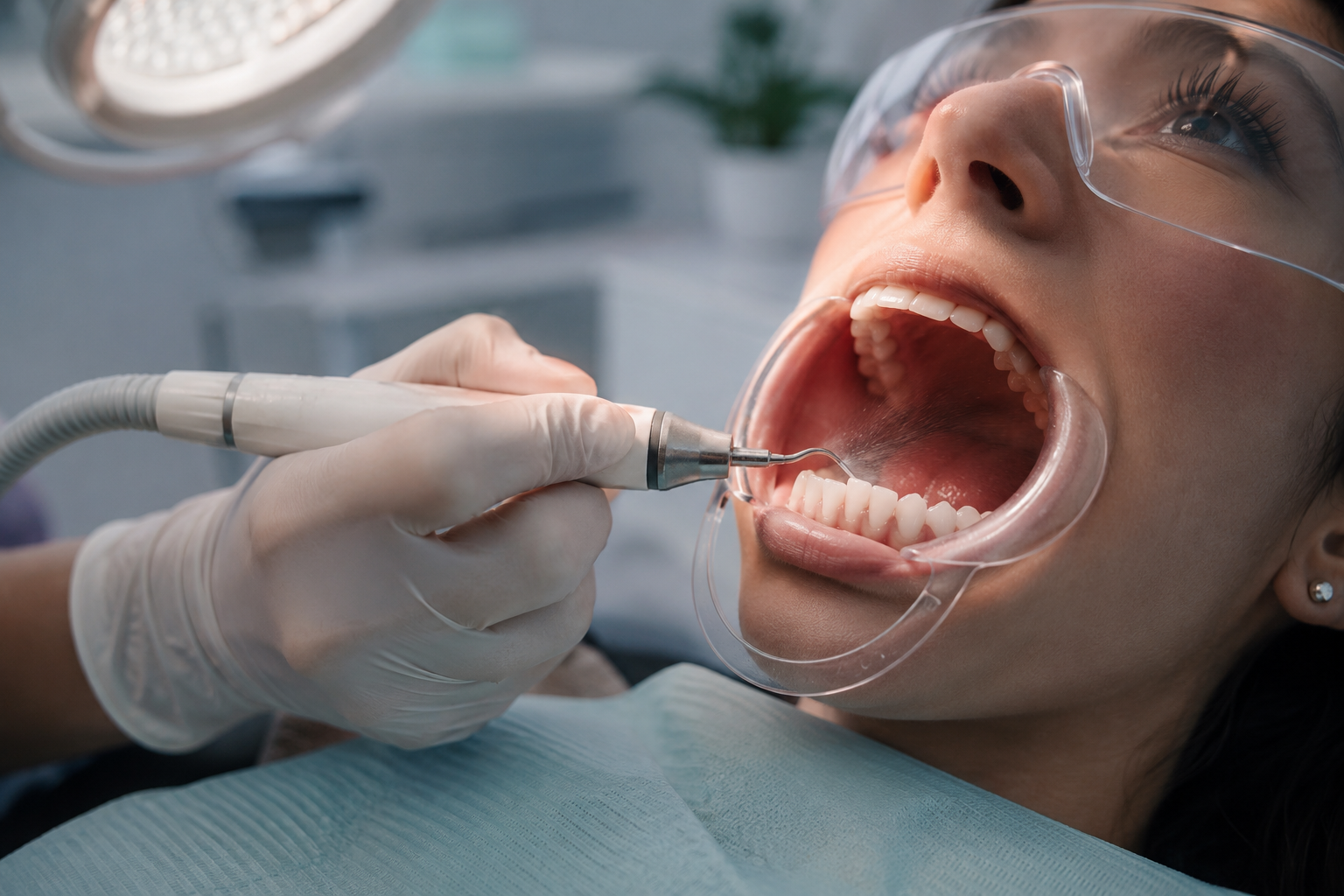
Se ti senti sopraffatto, chiedi al tuo igienista dentale un consiglio. Può osservare la tua tecnica, individuare dove sbagli e abbinare uno strumento alla tua bocca.
La verità sul saltare un giorno
Hai saltato una sera? Mettiamo a tacere il senso di colpa. Le carie non si formano dall'oggi al domani, e le gengive non si ritirano subito. Ma ecco cosa succede davvero:
La placca non rimossa inizia ad assorbire minerali dalla saliva e si calcifica. Entro 24 to 72 hours, possono comparire i primi granelli ruvidi di tartaro. Una volta formato il tartaro, nessuna quantità di filo interdentale può rimuoverlo: solo gli strumenti di ablazione del dentista possono farlo.
Quindi pensa al filo interdentale quotidiano come a un pulsante di reset. Ogni giorno riporti l'orologio delle 24 ore a zero. La costanza per settimane e mesi è ciò che previene la malattia, non la perfezione ogni singola notte. Se salti un giorno, riprendi semplicemente l'abitudine la mattina dopo, senza spirali di vergogna.
Costruisci un'abitudine che duri nel tempo (sì, puoi farcela)
Il filo interdentale è un classico comportamento del tipo “so che dovrei, ma…”. La scienza comportamentale offre trucchi inaspettati che lo fanno sembrare automatico invece che fastidioso.
- Aggancialo a qualcosa che fai già. Usa il filo subito dopo esserti spazzolato i denti la sera, o anche mentre guardi la TV. Collega la nuova abitudine a una già esistente, così il cervello riceve il segnale.
- Rendilo visibile. Tieni il filo (o una confezione di fiocchetti) proprio accanto allo spazzolino o sul comodino. I segnali ambientali sono potenti.
- Inizia in modo ridicolmente piccolo. Dì a te stesso che userai il filo su un solo dente. Una volta iniziato, spesso finirai — ma la barriera mentale è minuscola.
- Festeggia il risultato. Fai un cinque mentale a te stesso o spunta un segno su un calendario. Tenere traccia crea slancio.
- Abbi pazienza con il sanguinamento. Se sei all'inizio, le gengive potrebbero protestare per qualche giorno. È normale — e temporaneo. Continua con delicatezza.
Situazioni speciali: apparecchio, gengive sensibili e bambini
- Apparecchio: Usare il filo attorno a attacchi e fili è noioso, ma essenziale. Usa un infilafilo oppure compra il “super floss”, che ha un'estremità rigida per infilarsi e una parte spugnosa per pulire gli spazi larghi. Anche un idropulsore può cambiare le regole del gioco, riducendo drasticamente il tempo di pulizia e rimuovendo comunque efficacemente la placca.
- Gengive sensibili: Scegli un filo ultra morbido, cerato o in PTFE (spesso etichettato “comfort” o “delicato”). Se il filo continua a far male, passa a un idropulsore con impostazione a bassa pressione. L'obiettivo è pulire senza traumatizzare: la costanza ridurrà la sensibilità nel tempo.
- Bambini: Puoi iniziare a usare il filo non appena due denti da latte si toccano. Le manine piccole non hanno la destrezza per creare perfette C, quindi i genitori dovrebbero farlo o supervisionare da vicino fino a circa 10 o 11 anni. I fiocchetti colorati rendono la routine più giocosa e alla portata di tutti. Sebbene le prove di alta qualità sulla riduzione delle carie nei denti da latte siano limitate al filo applicato professionalmente, una revisione sistematica del 2006 ha mostrato che la pulizia professionale con filo nei bambini può ridurre del 40% il rischio di carie interprossimali. Stabilire l'abitudine presto prepara a una vita di gengive sane.
Conclusione finale: L'uso quotidiano del filo interdentale non riguarda la perfezione: riguarda la prevenzione di un accumulo lento e invisibile che, alla fine, si fa sentire. Scegli uno strumento che userai davvero, padroneggia la forma a C e concediti un po' di indulgenza nei giorni in cui non riesci. I tuoi denti e le tue gengive ti ringrazieranno per gli anni a venire.





Commenta
Questo sito è protetto da hCaptcha e applica le Norme sulla privacy e i Termini di servizio di hCaptcha.