

Gengive gonfie e sanguinanti dopo l'uso del filo interdentale non sono quasi mai un motivo per buttare via il filo. Sono un segno che la placca si nasconde dove lo spazzolino non arriva e che le tue gengive stanno lavorando duramente per proteggerti. Con l'approccio giusto, il gonfiore di solito svanisce entro una settimana—e se non svanisce, il tuo dentista può aiutarti a rimetterti in carreggiata senza dolore.
Non sei Solo
Fai scorrere il filo interdentale tra i denti e improvvisamente le tue gengive si sentono gonfie, sensibili o addirittura sanguinanti. È facile pensare di esserti fatto male o che il filo interdentale sia "troppo aggressivo" per te. In realtà, le gengive gonfie dopo l'uso del filo interdentale sono una delle reazioni più comuni che i professionisti dentali vedono, e raramente sono un segno di qualcosa di spaventoso.
Quello che quasi sempre significano è che le tue gengive erano già infiammate prima che il filo le toccasse. Il gonfiore è il modo in cui il tuo corpo risponde ai batteri che sono rimasti indisturbati lungo il bordo gengivale. Anche se le tue gengive non fanno male quando non usi il filo interdentale, un'infiammazione di basso grado può ribollire in silenzio. Riconoscere questo cambia l'intera conversazione: il gonfiore non è un danno che hai causato—è un segnale che puoi usare.

Perché le Tue Gengive Reagiscono in Questo Modo
Il colpevole più frequente è la gengivite, lo stadio più precoce della malattia gengivale. Quando la placca morbida e appiccicosa (una pellicola di batteri) si accumula dove lo spazzolino non arriva, il tuo sistema immunitario invia un flusso sanguigno extra nella zona. I globuli bianchi si precipitano a neutralizzare le tossine batteriche, causando il gonfiore e la fragilità dei tessuti. Questo stato elevato di infiammazione è così costante che i ricercatori ora vedono l'uso del filo interdentale stesso come uno strumento diagnostico: l'uso del filo interdentale può rilevare un'infiammazione gengivale nascosta molto prima di una sonda dentale. Uno studio bioptico ha confermato che le gengive che sanguinano con il filo interdentale mostrano densi infiltrati infiammatori, anche quando appaiono perfettamente normali all'occhio.
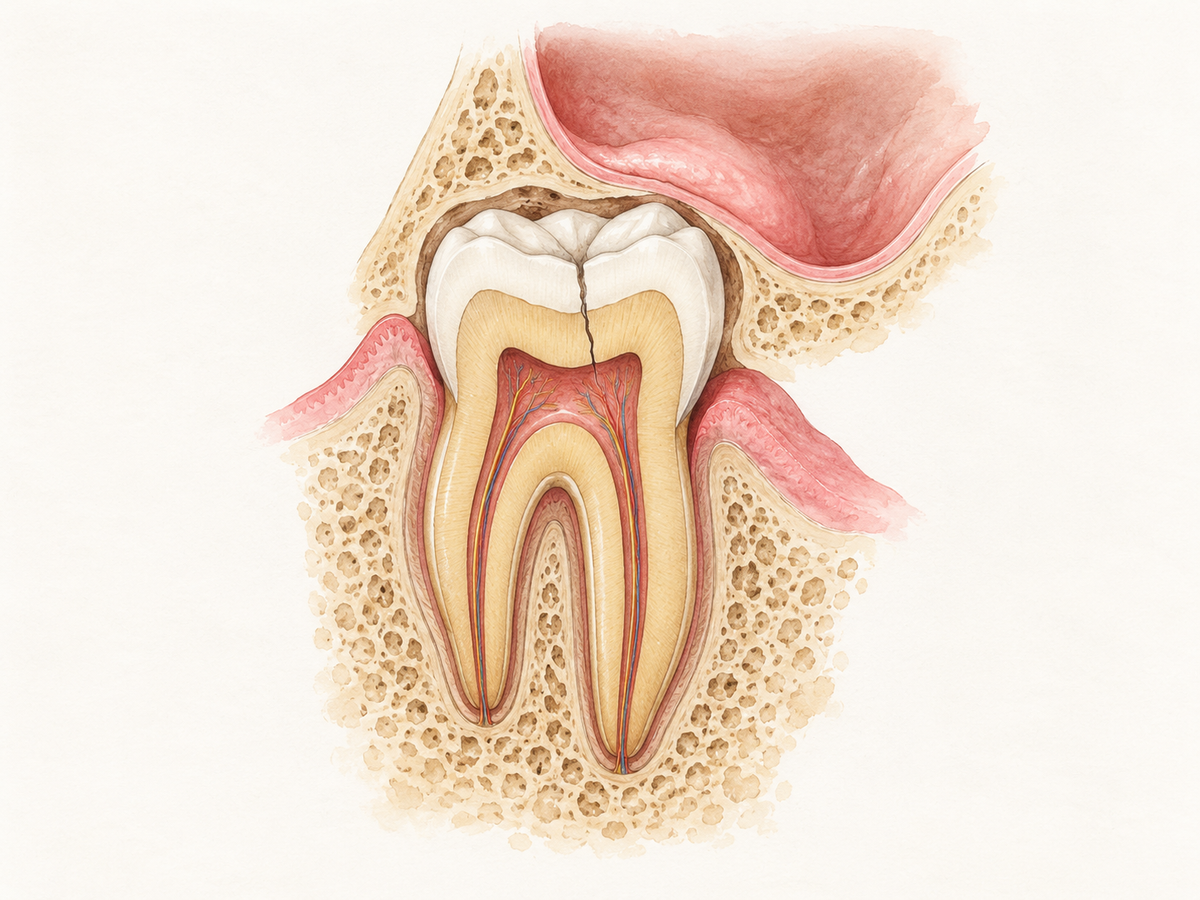
Un secondo fattore scatenante è una tecnica scorretta nell'uso del filo interdentale. Far schioccare il filo contro la gengiva o segarlo avanti e indietro con forte pressione può creare piccole lacerazioni in tessuti già sensibili. Ma qui c'è la sfumatura cruciale: il percorso infiammatorio è ancora in gran parte guidato dai batteri. Quando la placca si accumula nel solco—la scanalatura poco profonda dove il dente incontra la gengiva—il corpo monta una risposta immunitaria che rilascia prostaglandine e altri messaggeri chimici. Queste molecole dilatano i vasi sanguigni e rendono i capillari permeabili, motivo per cui vedi gonfiore e gengive sanguinanti.

Se hai recentemente ripreso a usare il filo interdentale dopo una lunga pausa, il gonfiore può essere drammatico semplicemente perché stai disturbando batteri che si sono moltiplicati indisturbati. Poiché la causa principale è spesso la placca che lo spazzolamento manuale non raggiunge, passare a uno spazzolino elettrico può aiutare a tenere sotto controllo l'accumulo batterico, così le tue gengive avranno meno probabilità di reagire in modo eccessivo quando pulisci tra di esse. Il gonfiore risultante è una risposta temporanea di riparazione, non una lesione permanente.
Dolore Normale o Campanello d'Allarme?
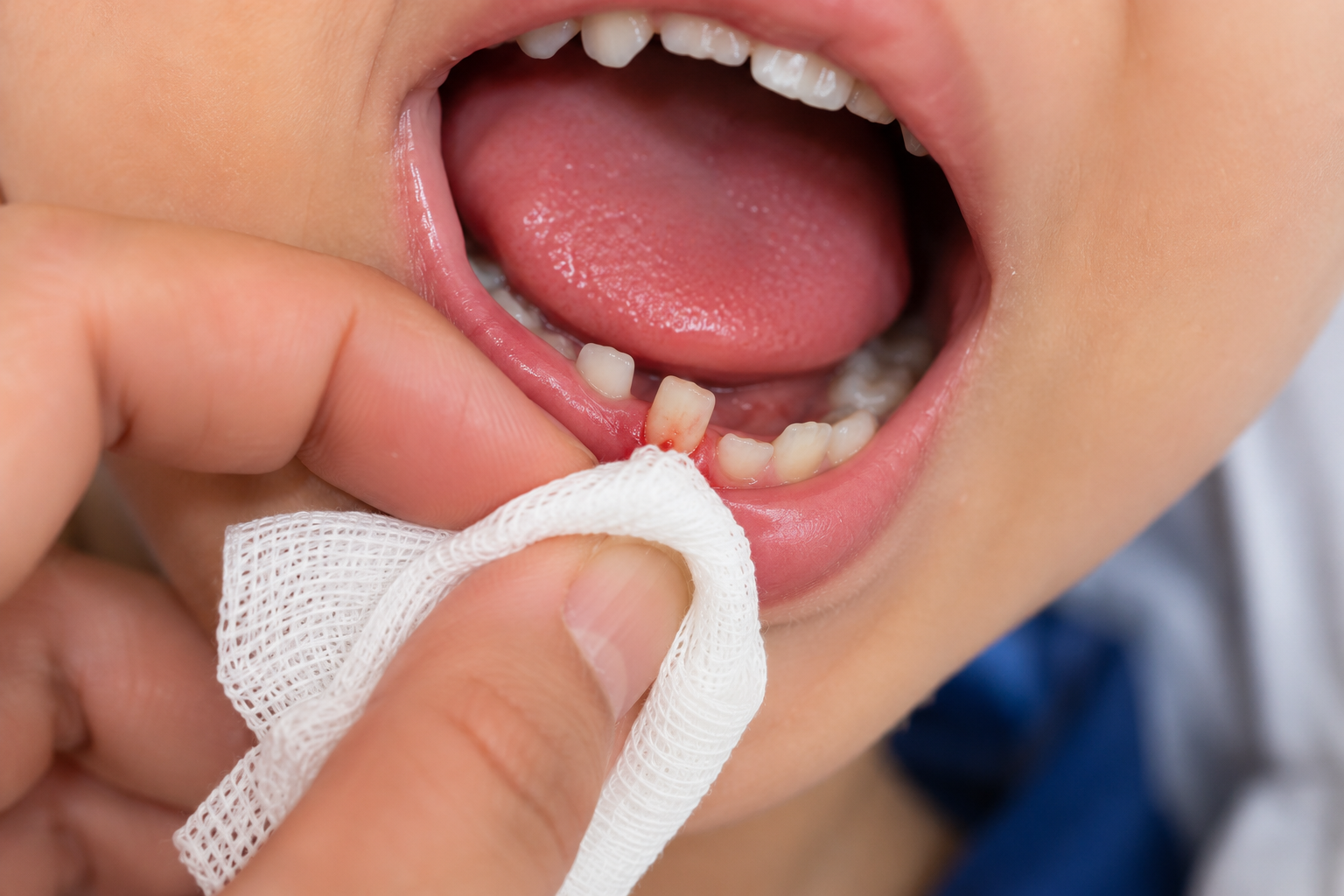
Un po' di sensibilità che svanisce entro 24-48 ore, accompagnata da un sanguinamento lieve che si ferma rapidamente, è semplicemente quello che succede quando risvegli una gengiva infiammata. In effetti, l'obiettivo è vedere quella reazione diminuire. Anche dopo che le gengive appaiono clinicamente sane, i marcatori immunitari possono rimanere lievemente elevati per settimane, motivo per cui la costanza conta molto più della perfezione. Mentre continui a usare il filo interdentale delicatamente ogni giorno, il sanguinamento dovrebbe diventare notevolmente più lieve nell'arco di tre-cinque giorni, e il gonfiore dovrebbe risolversi.
D'altra parte, presta attenzione se noti: - Gonfiore che persiste oltre cinque giorni o peggiora - Gengive che rimangono rosso scuro, gonfie e lucide tutto il tempo - Dolore che rende la masticazione scomoda - Un sapore cattivo persistente o pus tra i denti - Gengive che sembrano ritirarsi dai denti
Questi modelli suggeriscono che la placca si è trasformata in tartaro (calcolo), un deposito indurito che il filo interdentale non può rimuovere, o che l'infiammazione è avanzata più in profondità nell'osso di supporto. In questa fase, la malattia parodontale (parodontite) potrebbe essere in via di sviluppo, e l'aiuto professionale è non negoziabile.

Non lasciare che la paura ti fermi dal controllare; l'intervento precoce è tipicamente semplice e non chirurgico.
Come lenire velocemente le gengive gonfie
Quando le tue gengive sono infiammate, alcuni rimedi casalinghi possono calmarle mentre continui la pulizia che risolverà effettivamente il problema.
- Sciacqua con acqua salata tiepida. Mezzo cucchiaino di sale sciolto in una tazza di acqua tiepida crea un delicato risciacquo osmotico che riduce i batteri e allevia il gonfiore dei tessuti senza bruciare. Sciacqua per 30 secondi, due o tre volte al giorno.
- Applica un impacco freddo. Avvolgi un impacco di ghiaccio o un sacchetto di piselli congelati in un panno sottile e tienilo contro la guancia a intervalli di 10 minuti. Il freddo restringe temporaneamente i capillari, dandoti un sollievo rapido e senza farmaci.
- Salta l'alcol. Evita collutori a base di alcol e cibi piccanti o acidi finché la sensibilità non diminuisce. Questi possono irritare le superfici gengivali crude e prolungare la guarigione.
- Non smettere di pulire l'area. Questo è il passo più difficile ma più importante. Continua delicatamente a spazzolare lungo il bordo gengivale e a passare il filo interdentale sul punto dolente. Lasciare la placca in posizione alimenterà solo ulteriore infiammazione. La ricerca lo conferma: solo la rimozione meccanica della placca interdentale combinata con lo spazzolamento riduce efficacemente il sanguinamento gengivale. I collutori da soli non possono sostituire la rimozione fisica del biofilm.

Padroneggiare il filo interdentale senza gonfiore
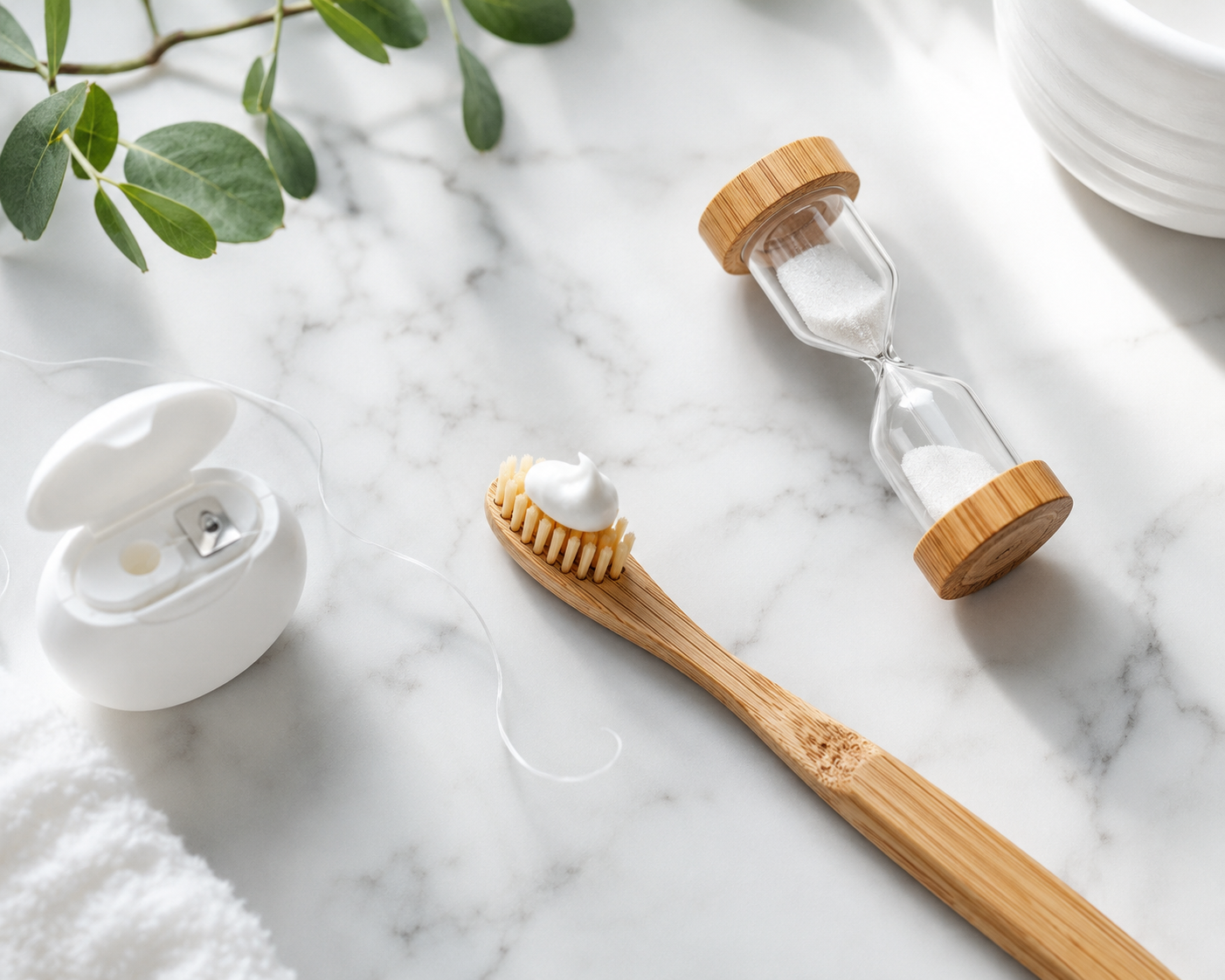
Il modo in cui usi il filo interdentale può fare la differenza tra una routine sana e una lotta quotidiana con le tue gengive. Invece di far scattare il filo direttamente verso il basso, prova la tecnica a forma di C:

- Avvolgi circa 45 centimetri di filo attorno ai dita medie, lasciando una sezione di lavoro di uno o due centimetri.
- Fai scorrere delicatamente il filo tra i denti con un movimento di seghetto avanti e indietro, ma non farlo mai scattare giù nella gengiva.
- Una volta raggiunto il bordo gengivale, curva il filo a forma di C contro un dente e delicatamente guidalo appena sotto il margine gengivale, circa 1-2 millimetri. È qui che si nasconde la placca invisibile, ed è l'azione che porta al gonfiore iniziale più evidente. È sicuro purché tu sia delicato.
- Abbraccia il dente mentre muovi il filo su e giù, poi ripeti sulla superficie del dente adiacente.
- Usa un segmento pulito ogni pochi denti per evitare di ridistribuire i batteri.
Se le tue gengive sono estremamente sensibili, il filo cerato o gli stuzzicadenti con filo a nastro liscio possono scivolare più facilmente e causare meno attrito. Gli idropulsori e gli scovolini interdentali sono anche ottime alternative per chi ha difficoltà con il filo tradizionale. La chiave è scegliere uno strumento che userai quotidianamente. La costanza costruisce la robustezza gengivale nel tempo. Infatti, gli studi mostrano che la pulizia interdentale quotidiana può ridurre i punteggi di sanguinamento di oltre la metà entro un mese, dimostrando che le tue gengive si adattano rapidamente quando il carico batterico viene mantenuto basso.
Per rendere tutta la tua routine più delicata sui tessuti sensibili, abbina l'uso del filo interdentale a uno spazzolino elettrico sonico che si basa su vibrazioni delicate piuttosto che su una spazzolatura aggressiva. Questa combinazione condiziona le gengive senza spazzolare eccessivamente, riducendo lo shock che può scatenare il gonfiore.
Quando Prenotare una Visita Dentistica
Non devi andare nel panico al primo segno di gonfiore, ma alcune soglie chiare indicano che è il momento di far controllare da un professionista:
- Gonfiore che non migliora dopo una settimana di pulizia costante e corretta
- Dolore che ti sveglia di notte o rende difficile mangiare
- Gusto metallico o sgradevole, o qualsiasi segno di pus
- Gengive che si sono visibilmente ritirate dai denti, creando "tasche"
- Denti mobili, anche solo leggermente
- Gonfiore accompagnato da febbre o linfonodi ingrossati

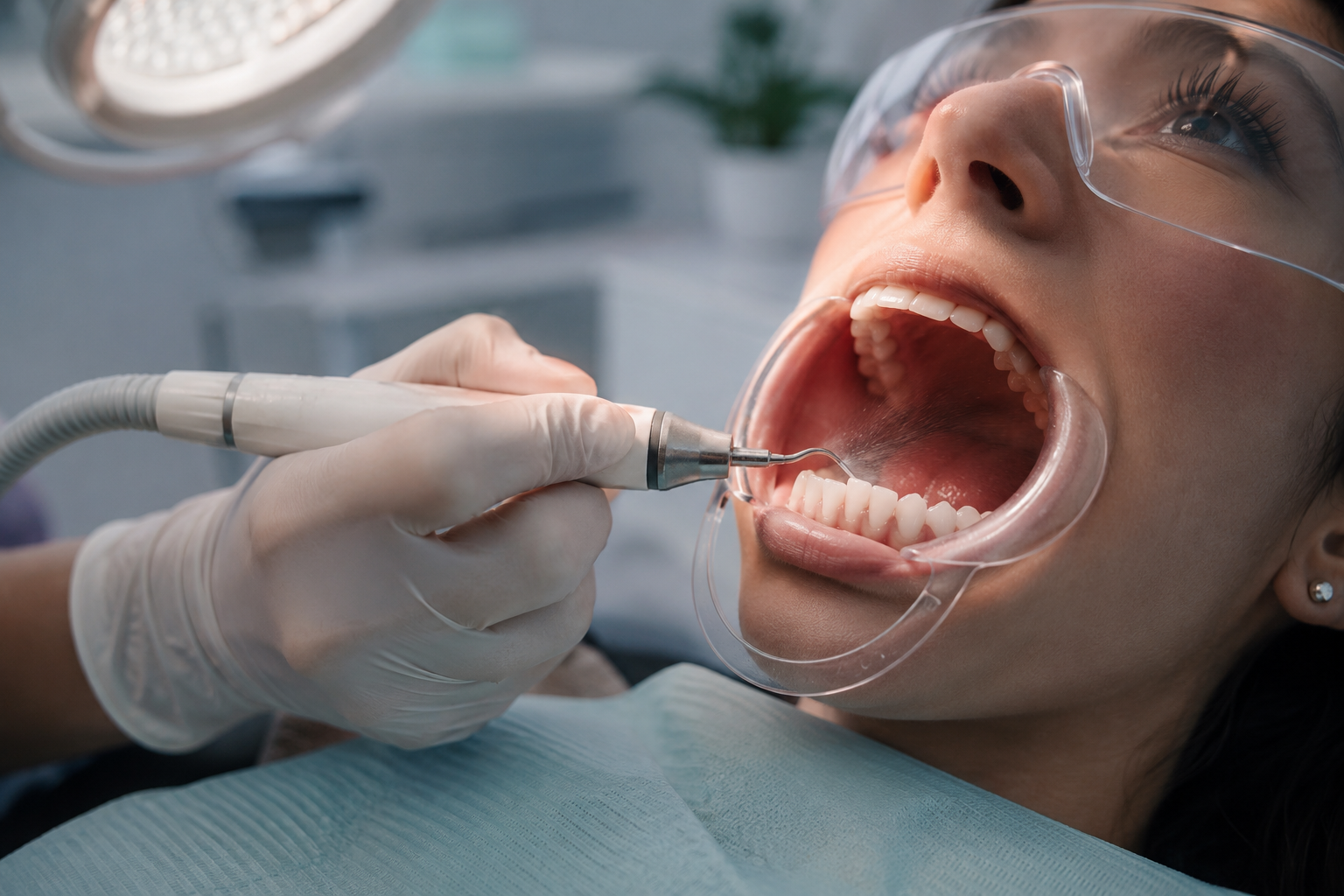
Un dentista o igienista dentale non è lì per rimproverarti. Misureranno quanto bene la gengiva si attacca ai denti, controlleranno il tartaro sotto il bordo gengivale e, se necessario, eseguiranno una pulizia profonda (ablazione e levigatura radicolare) per rimuovere i depositi induriti. Possono anche escludere fattori scatenanti meno comuni come l'ipertrofia gengivale correlata a farmaci, gli sbalzi ormonali durante la gravidanza o condizioni sottostanti come il diabete che rendono le gengive più reattive. Considera questa visita come una collaborazione che impedisce a piccoli problemi di diventare grandi.
Il Punto Chiave
Le gengive gonfie dopo il filo interdentale sono la tua bocca che si adatta a una migliore igiene, non un invito ad arrenderti. Sono il lato visibile del tuo sistema immunitario che combatte i batteri che causano la gengivite. Quando usi il filo correttamente e quotidianamente, il gonfiore quasi sempre diminuisce man mano che le gengive diventano più sane.
Se il gonfiore persiste nonostante una tecnica perfetta, questo è semplicemente il tuo segnale per consultare un professionista. Continua a usare il filo, continua a spazzolare delicatamente e fidati che il tuo corpo sappia guarire una volta rimossa la fonte dell'infiammazione. La maggior parte delle persone che perseverano scopre che nel giro di settimane le loro gengive sono più forti, sanguinano meno e appaiono più rosa, e usare il filo smette di essere una battaglia e diventa una carica di fiducia di 90 secondi per il tuo sorriso.




Commenta
Questo sito è protetto da hCaptcha e applica le Norme sulla privacy e i Termini di servizio di hCaptcha.